Bad Weather Style: Rain, Wind, Snow, Heat
How to dress for difficult weather without giving up shape, texture, or polish.
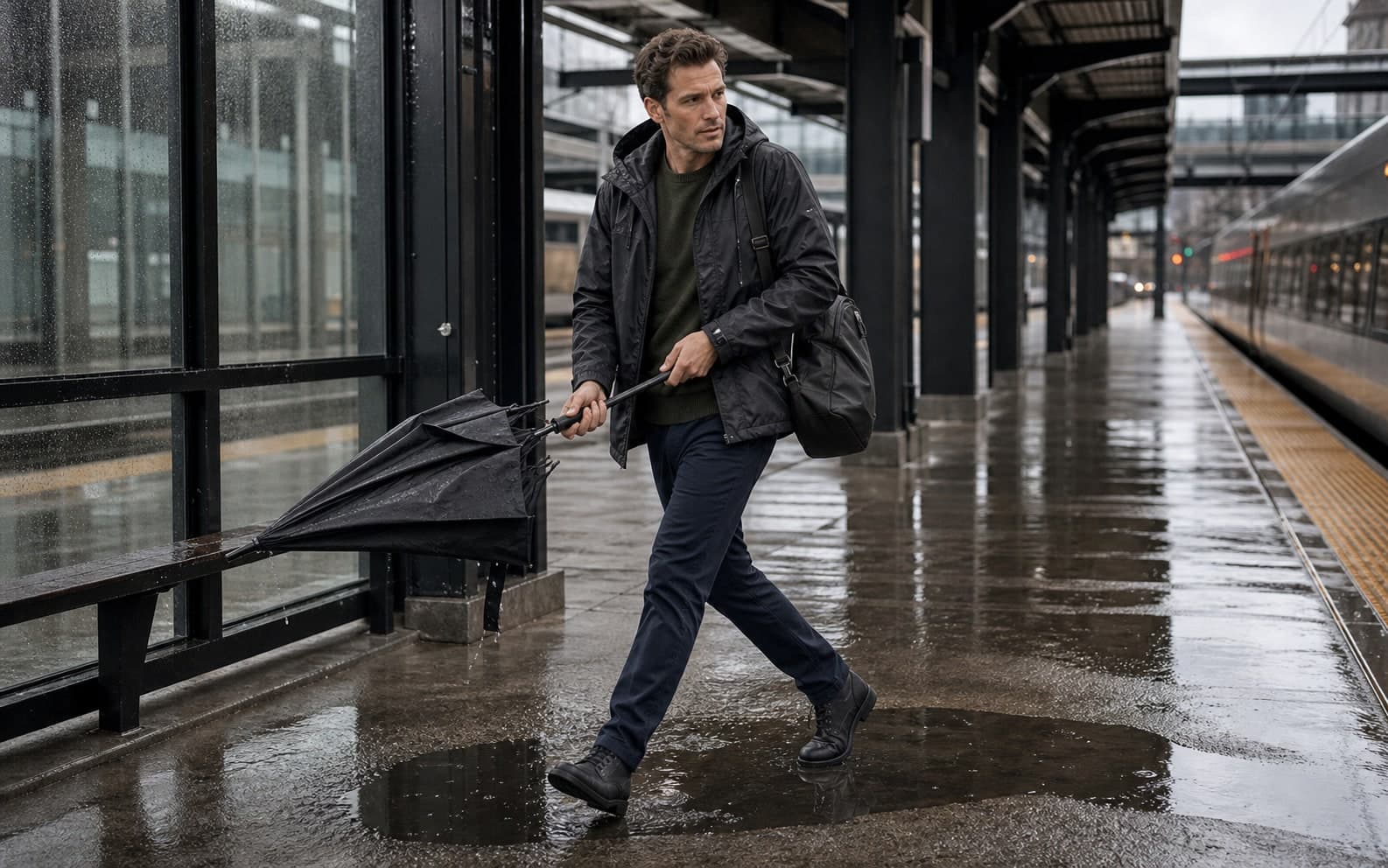
Most bad-weather outfits fail for one of two reasons: they are technically useful but visually dead, or they look good for ten minutes and collapse the second the weather gets real. A sharp weather outfit has to do both jobs. It has to handle rain, wind, snow, heat, humidity, and sudden temperature changes while still looking like an outfit instead of emergency gear.
The solution is not to buy a different wardrobe for every forecast. It is to build a weather system: protective outerwear, breathable base layers, shoes that can survive the street, and proportions that still hold shape when layers are added. The clothes should look intentional before the coat comes off and after it comes off.
Climate is already shaping menswear. Heat-aware dressing, breathable tailoring, linen, silk blends, technical bags, chore coats, and hybrid casual pieces are all becoming more central to how men dress. The useful lesson is simple: bad-weather clothing is no longer separate from style. It is part of style.
What Bad Weather Style Is, and Is Not
Good bad-weather style is functional clothing with controlled proportion. It accepts the forecast instead of pretending it does not exist.
| It is: | It is not: |
|---|---|
|
|
The target is not outdoorsy. The target is weather-aware.
The Core Pieces
These are the pieces that make weather dressing repeatable. You do not need every item, but you need coverage across rain, cold, wind, and heat.
The Clean Rain Shell
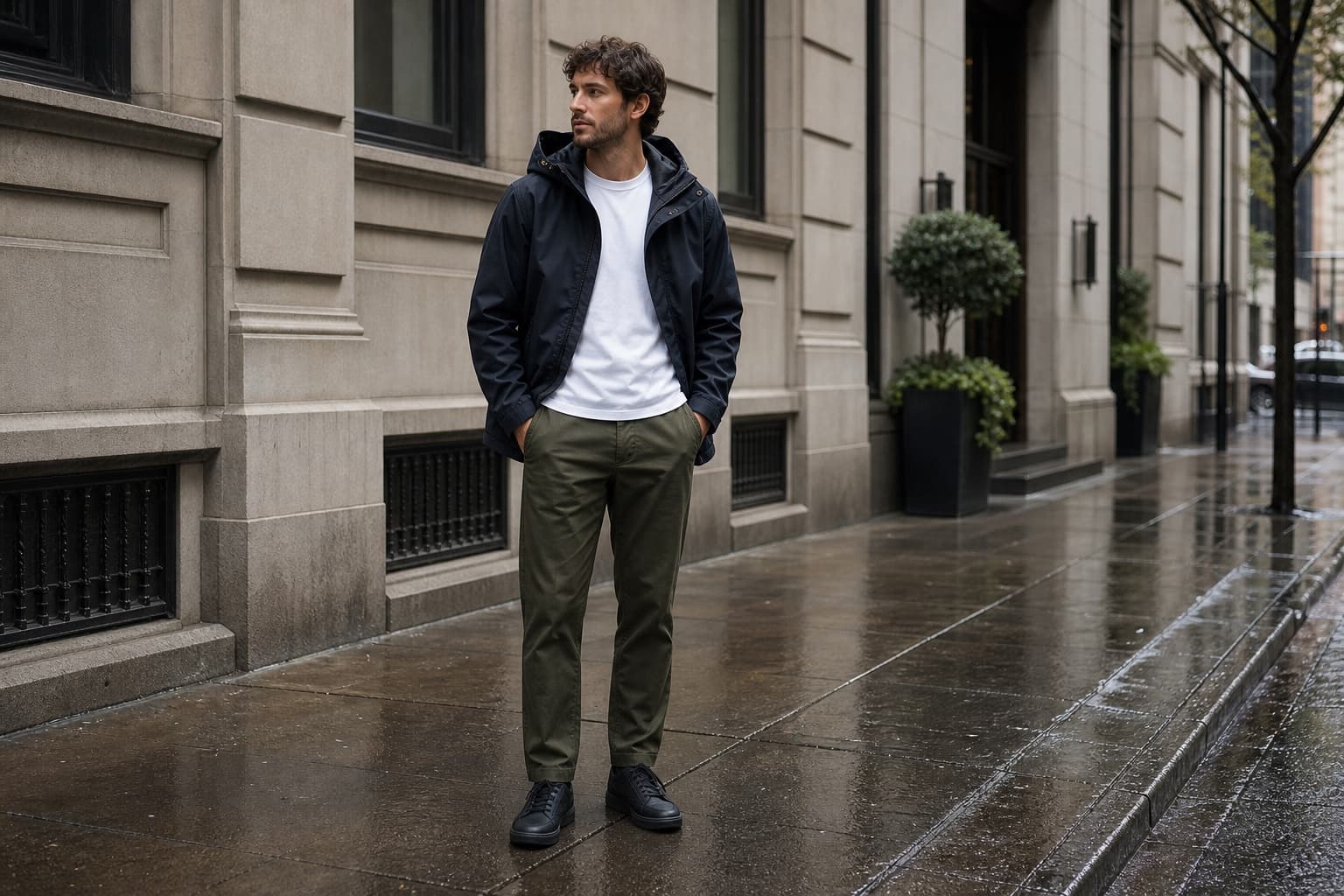
A rain shell is the piece most men buy too late. The mistake is choosing something shiny, flimsy, or overly sporty. The better version has a matte finish, a clean hood, minimal branding, and enough room to layer over a sweatshirt, overshirt, or light knit.
Category: Outerwear; rain shell
Best colors: black, navy, olive, charcoal, stone
Material: waterproof nylon, technical shell, coated cotton
Fit: regular, slightly boxy
Best styling move: navy rain shell, white tee, olive trousers, waterproof sneakers
The Trench or Mac Coat
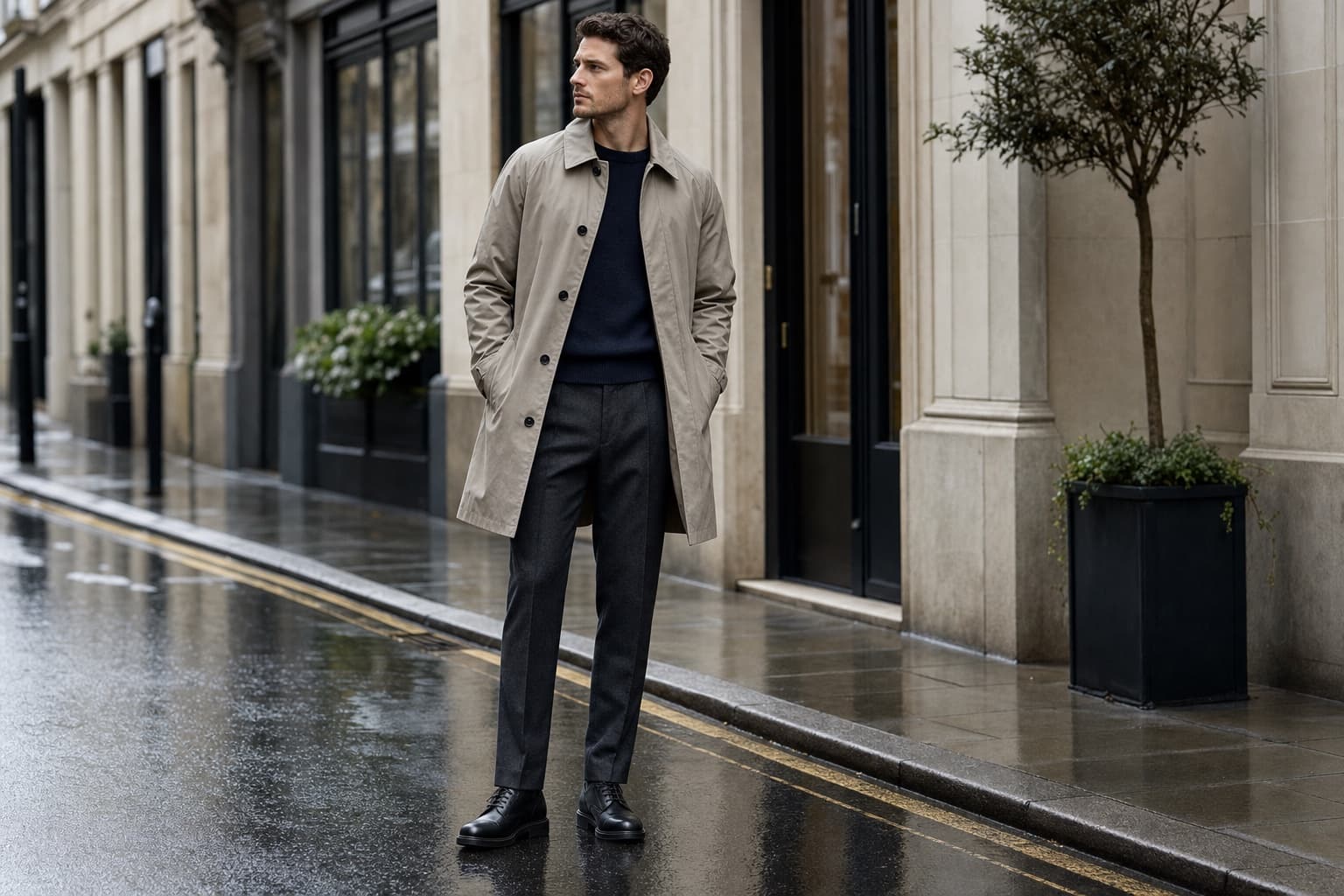
A trench or mac is the polished rain option. It works with office clothes, knitwear, trousers, denim, loafers, boots, and clean sneakers. It is less technical than a shell, but more visually refined.
Category: Outerwear; trench coat or mac coat
Best colors: beige, stone, navy, black, olive
Material: cotton gabardine, coated cotton, water-resistant cotton blend
Fit: regular, straight, belted or unbelted
Best styling move: stone mac coat, navy knit, charcoal trousers, black derby shoes or waterproof loafers
The Insulated Parka
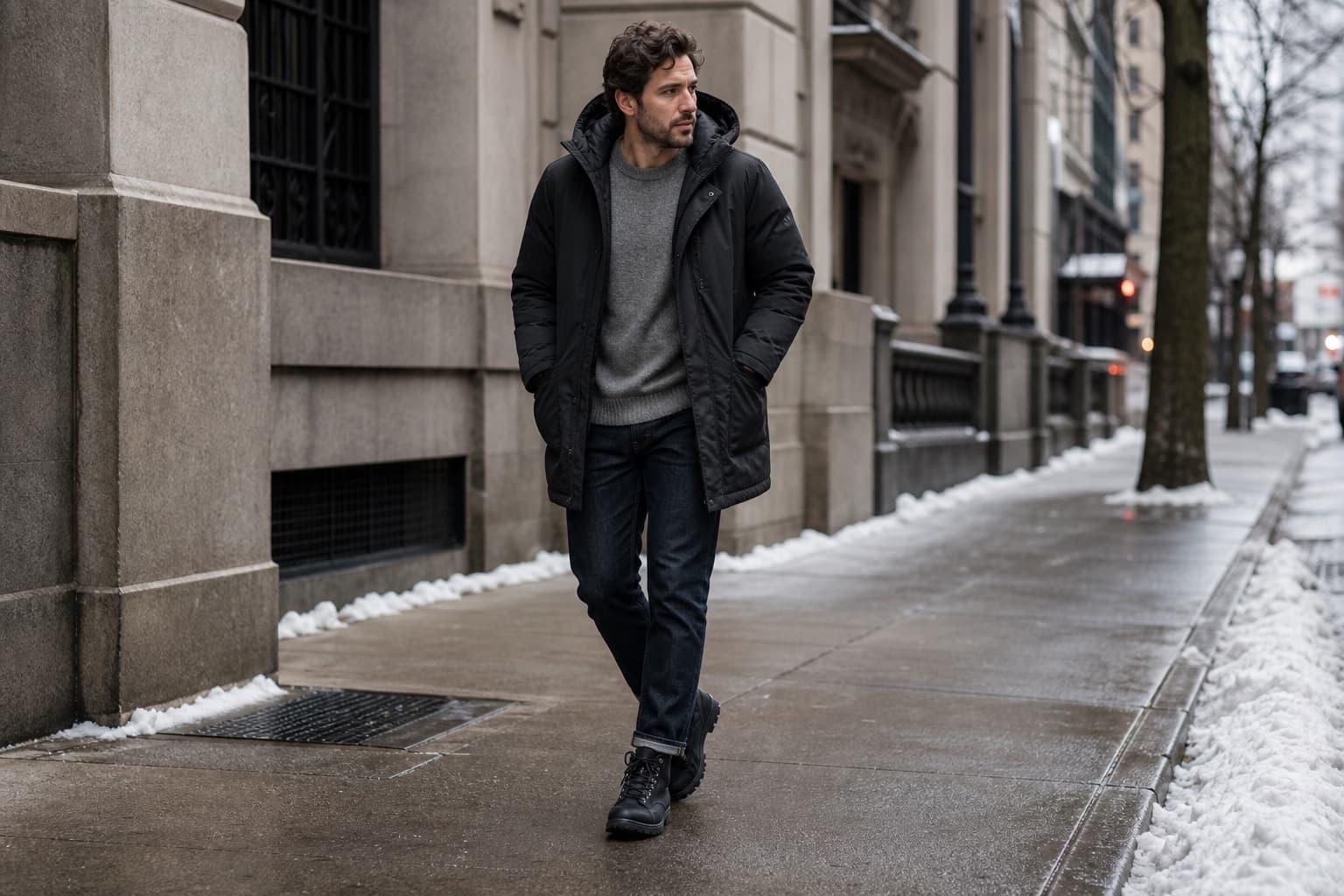
A parka should solve actual cold, not just look winter-adjacent. The best city version is warm, matte, structured, and long enough to cover the hips. Avoid overly shiny fabric unless the outfit is intentionally technical.
Category: Outerwear; parka
Best colors: black, navy, olive, charcoal
Material: down, synthetic insulation, weather-resistant shell
Fit: regular, hip-length to mid-thigh
Best styling move: black parka, grey wool sweater, dark straight jeans, black insulated boots
The Wool Coat
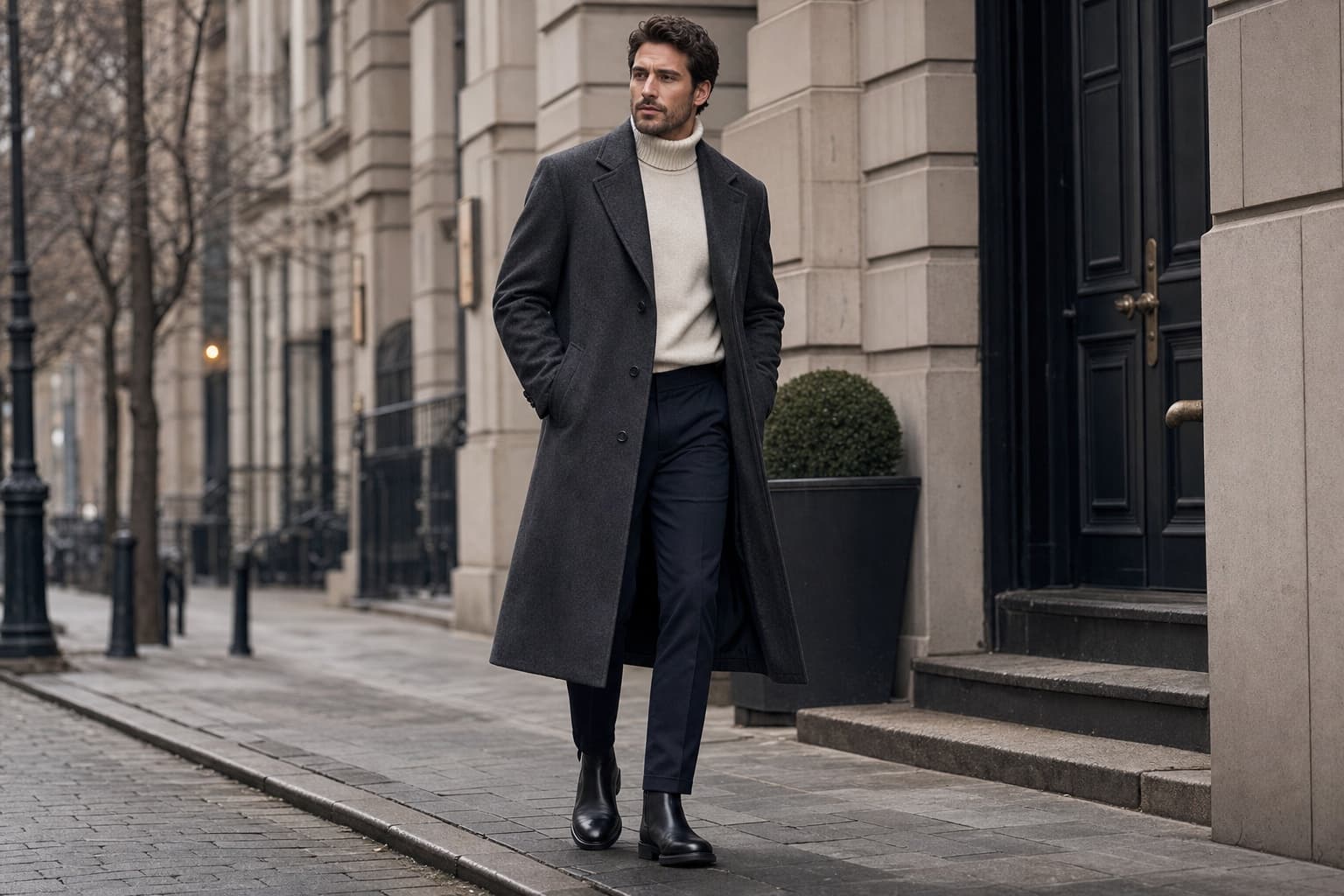
A wool coat is not a replacement for a snowstorm parka, but it is the best cold-weather piece when the setting requires polish. The fit matters: it should have room for a sweater underneath without pulling at the shoulders.
Category: Outerwear; wool coat
Best colors: charcoal, navy, camel, black, brown
Material: wool, wool-cashmere blend
Fit: straight, relaxed, slightly long
Best styling move: charcoal wool coat, cream turtleneck, dark trousers, black boots
The Chore Coat or Overshirt
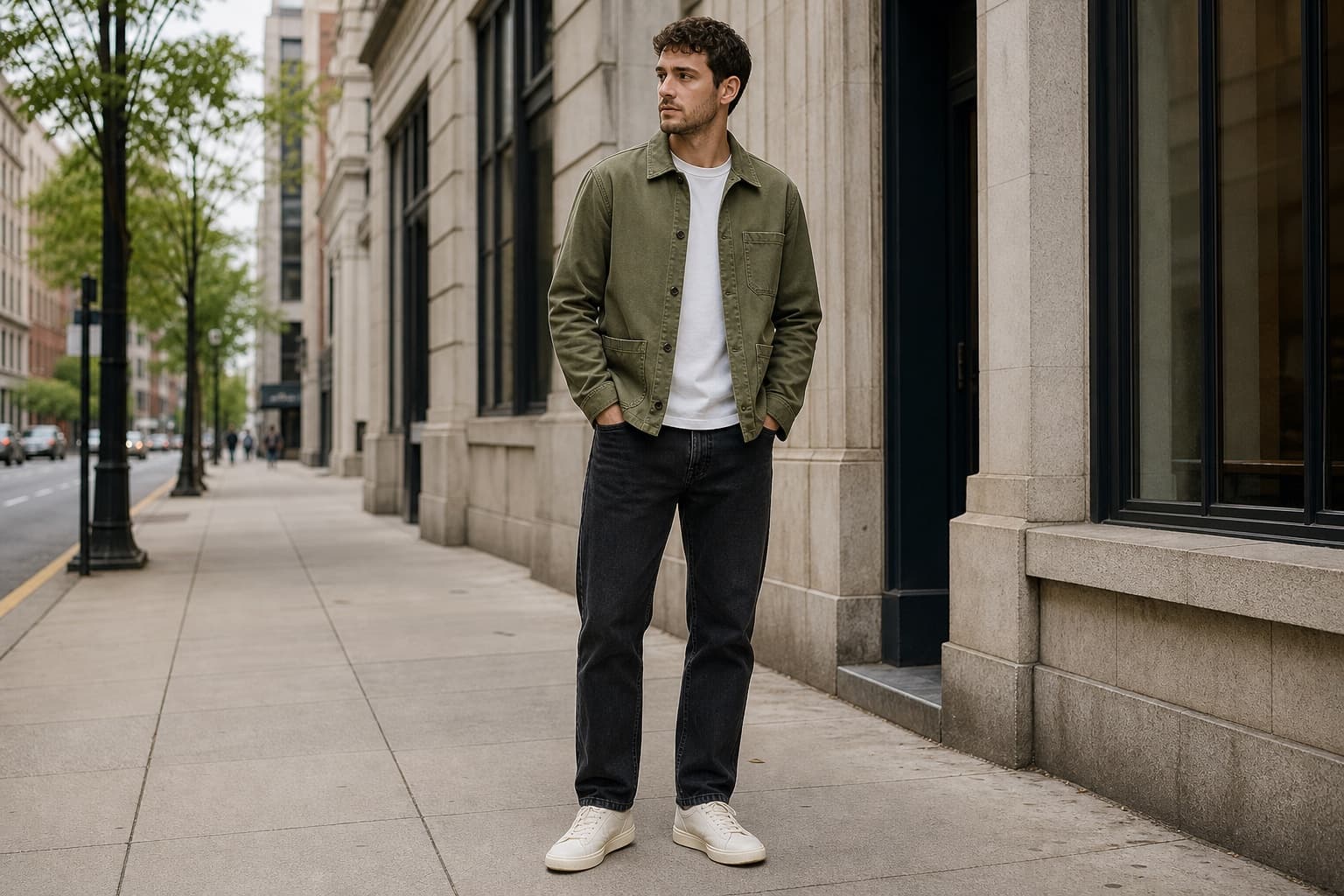
For wind, mild cold, and changing spring or fall weather, an overshirt is often better than a heavy coat. It gives shape without overheating and works well under a rain shell when needed.
Category: Outerwear; chore coat or overshirt
Best colors: navy, olive, brown, ecru, black
Material: cotton twill, canvas, corduroy, wool blend
Fit: boxy, regular
Best styling move: olive overshirt, white tee, faded black jeans, suede or leather sneakers
The Breathable Shirt
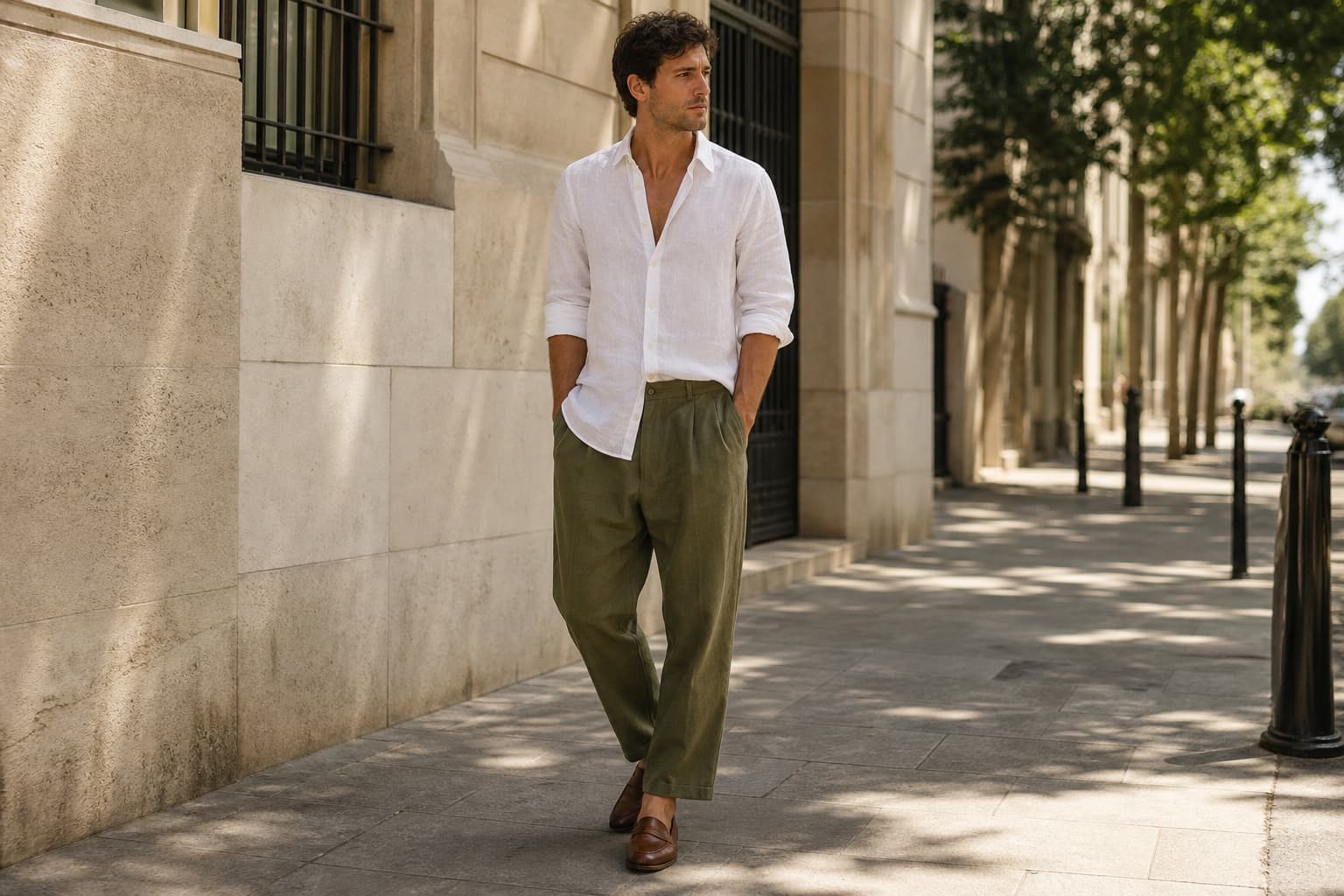
Heat is weather. Treat it that way. A breathable shirt should let air move and still have enough structure to avoid looking like sleepwear. Linen, cotton, and silk blends are especially useful for warm-weather dressing because they can look relaxed without collapsing.
Category: Top; linen shirt, cotton shirt, camp collar shirt
Best colors: white, cream, pale blue, olive, tan, navy
Material: linen, cotton, linen-cotton blend, silk blend
Fit: relaxed, regular
Best styling move: white linen shirt, olive relaxed trousers, brown leather sandals or loafers
The Knit Layer
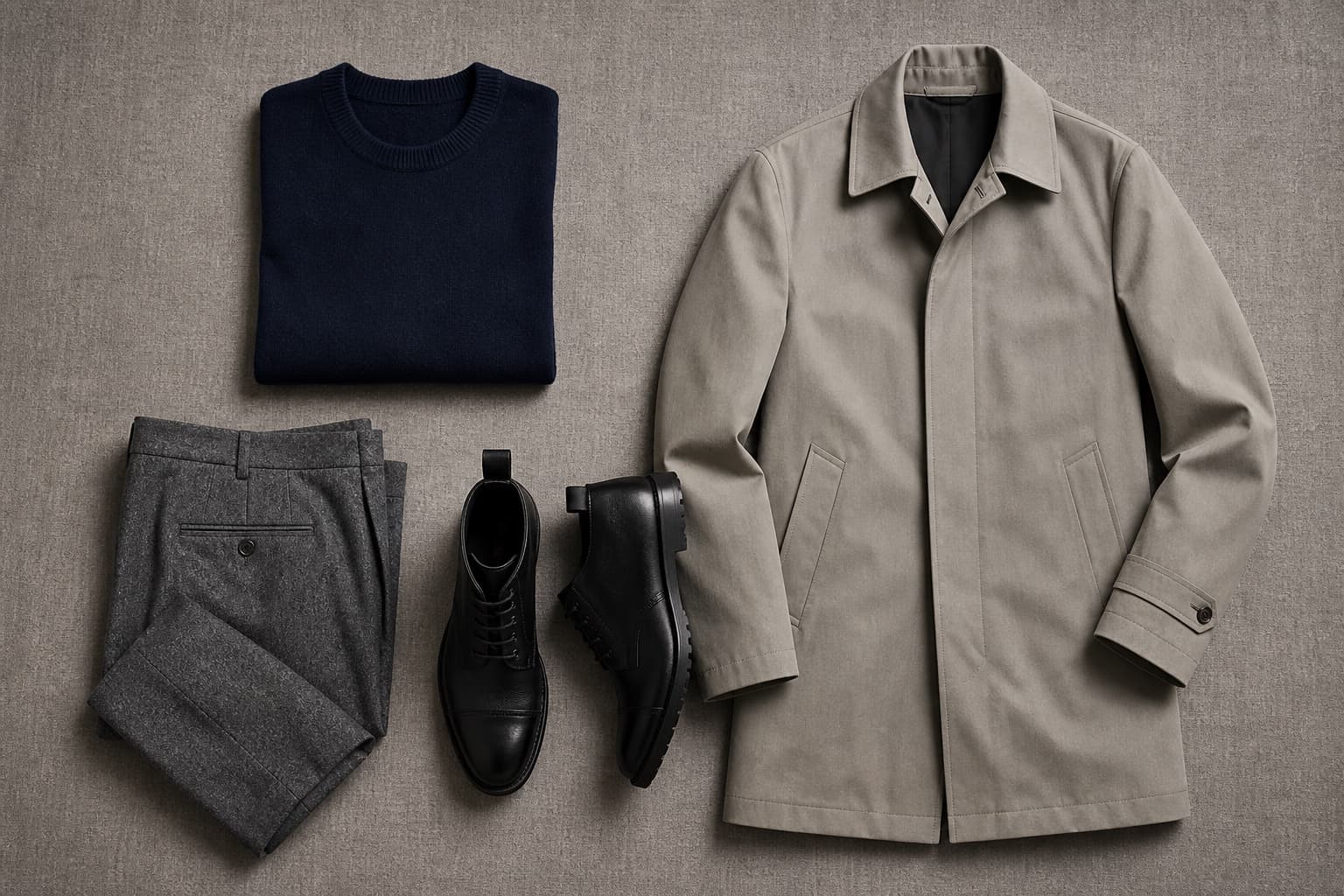
A knit layer is the bridge between base layer and outerwear. It also keeps bad-weather outfits from looking too technical. Merino works especially well because it is warm without much bulk.
Category: Top; sweater, knit polo, cardigan
Best colors: grey, navy, brown, cream, black, forest green
Material: merino, lambswool, cotton knit, cashmere blend
Fit: regular, relaxed
Best styling move: navy merino sweater, grey trousers, mac coat, black boots
The Weather-Ready Trouser
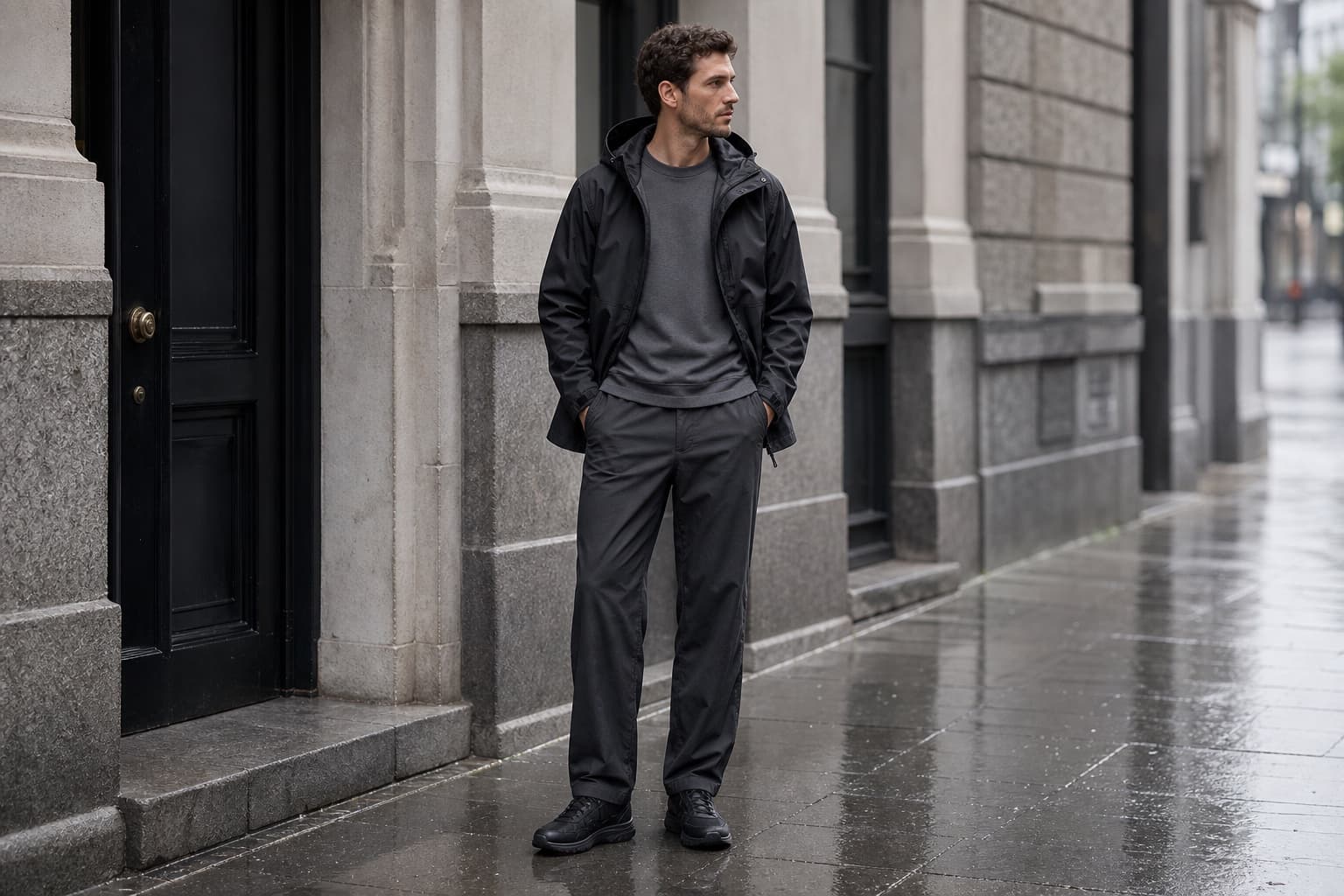
The wrong pants ruin weather dressing. Thin chinos can cling in rain. Skinny jeans feel bad in heat. Baggy cargos can look costume-like. The best all-weather trouser has a straight or relaxed-straight shape, enough structure to hold its line, and fabric that matches the forecast.
Category: Bottom; relaxed trouser, technical trouser, twill pant
Best colors: charcoal, navy, olive, black, khaki, brown
Material: cotton twill, wool blend, nylon blend, technical stretch
Fit: straight, relaxed-straight
Best styling move: charcoal technical trousers, black rain shell, grey tee, waterproof sneakers
Waterproof Sneakers
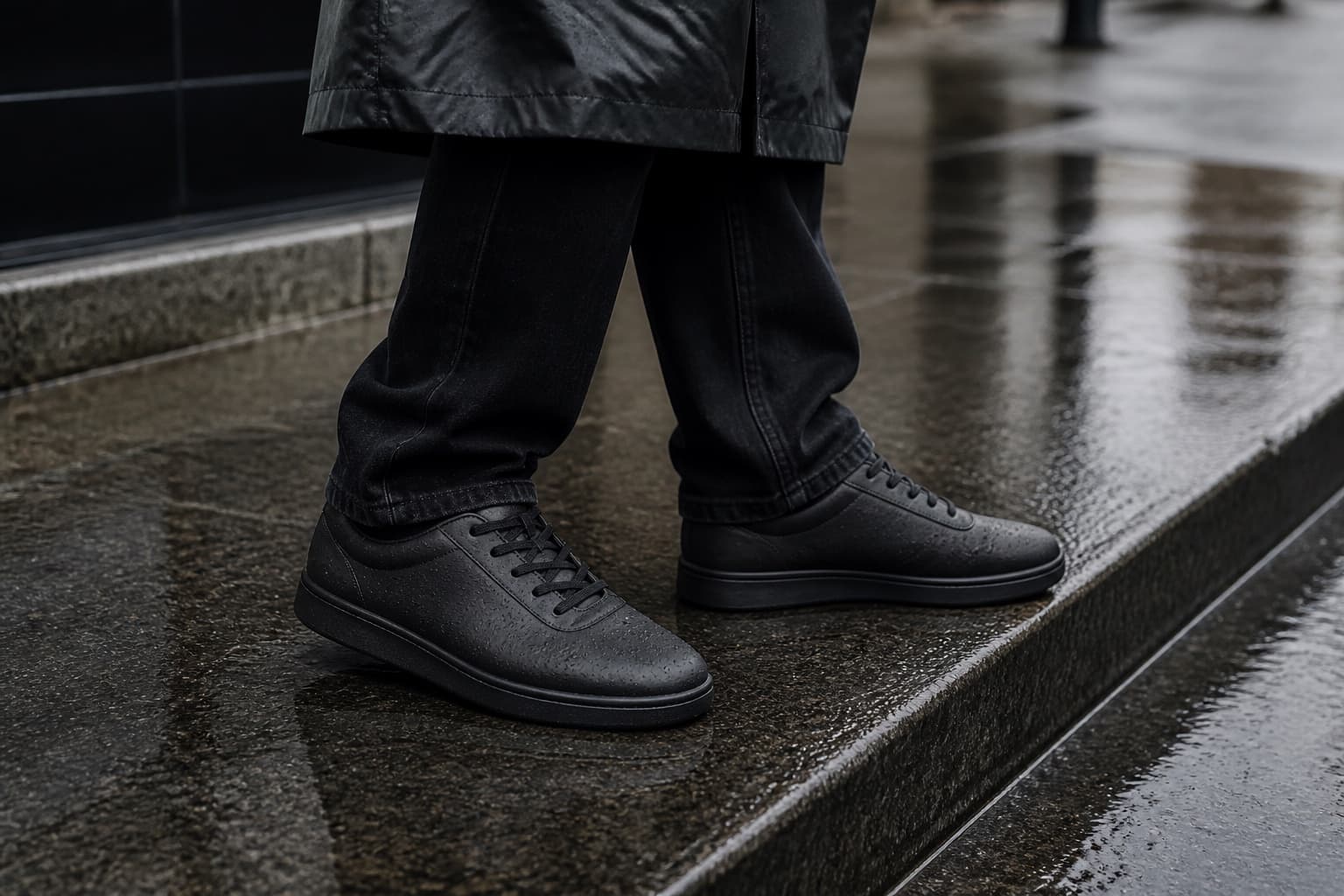
Waterproof sneakers are useful when boots feel too heavy but regular sneakers are not enough. Keep the silhouette simple. Avoid overly aggressive trail soles unless the whole outfit supports that direction.
Category: Footwear; waterproof sneaker
Best colors: black, grey, navy, white, olive
Material: coated leather, treated suede, technical knit, waterproof membrane
Texture: smooth, matte, technical
Best styling move: black waterproof sneakers, dark jeans, hoodie, rain shell
Weather Boots
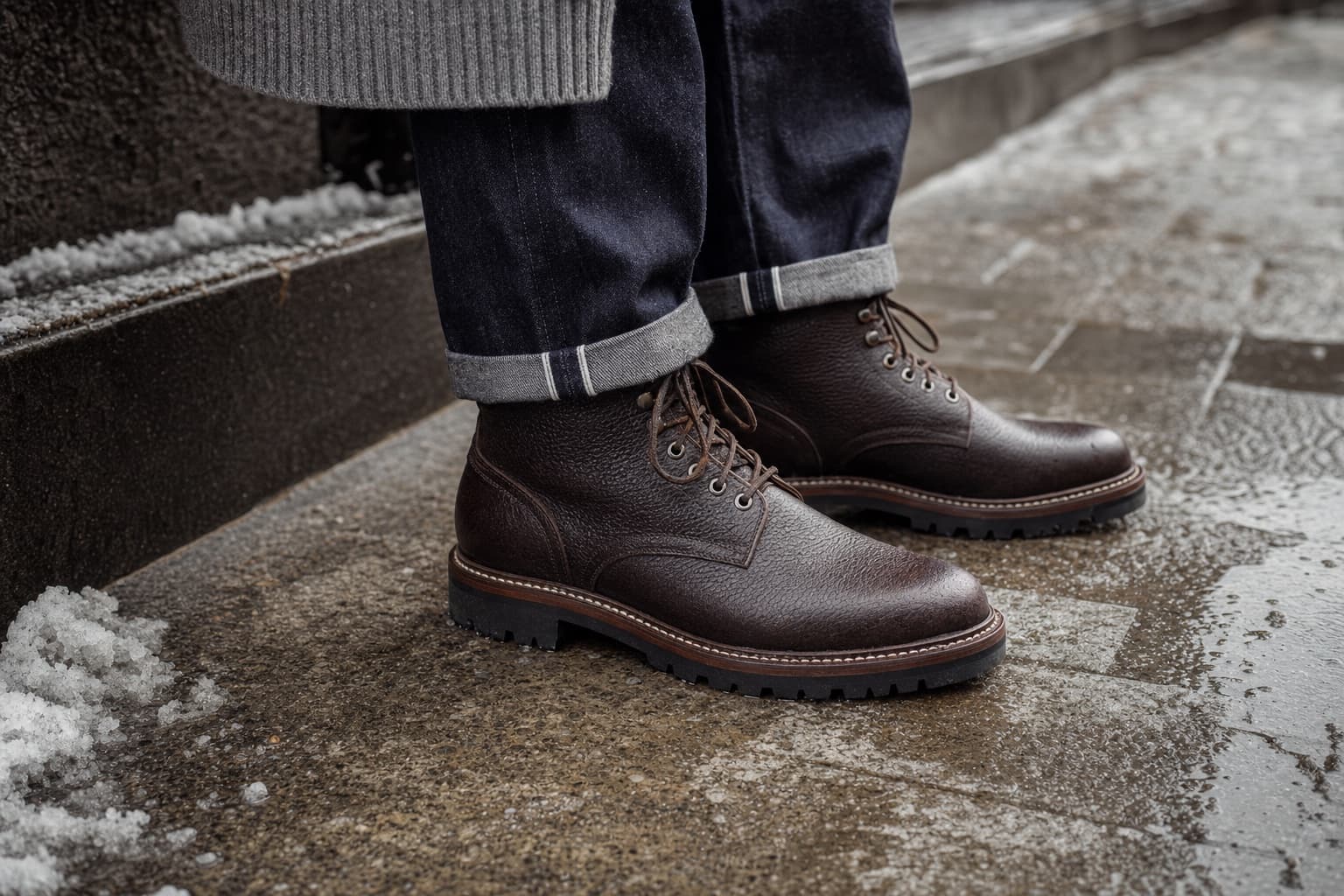
Boots are the difference between looking prepared and looking defeated. In rain and snow, the sole matters as much as the upper. A clean leather boot with traction can work with denim, wool trousers, chinos, and parkas.
Category: Footwear; weather boot, Chelsea boot, lace-up boot
Best colors: black, brown, dark olive, tan
Material: leather, treated suede, rubberized leather, lug sole
Texture: smooth, grain, matte, rugged
Best styling move: dark brown lace-up boots, raw denim, wool sweater, parka
The Scarf, Beanie, and Cap System
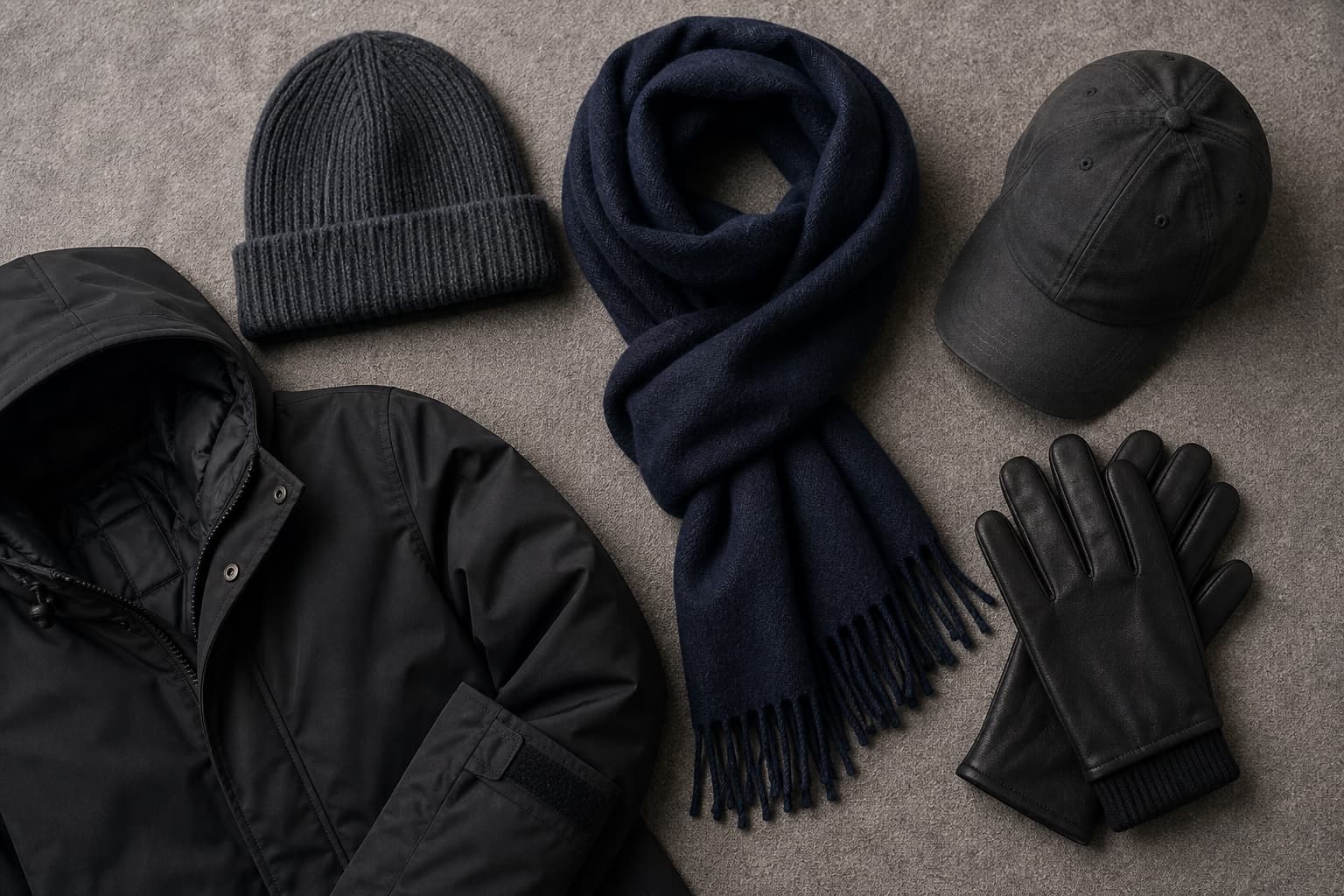
Accessories are not decoration in bad weather. They solve warmth, sun, rain, and wind. The mistake is treating them as random add-ons. Keep them in the same palette as the rest of the outfit.
Category: Accessory; scarf, beanie, cap
Best colors: charcoal, navy, cream, brown, black, muted accent
Material: wool, cashmere, cotton, technical nylon
Texture: ribbed, brushed, smooth
Best styling move: charcoal beanie, navy scarf, black parka, dark denim
The Technical Bag
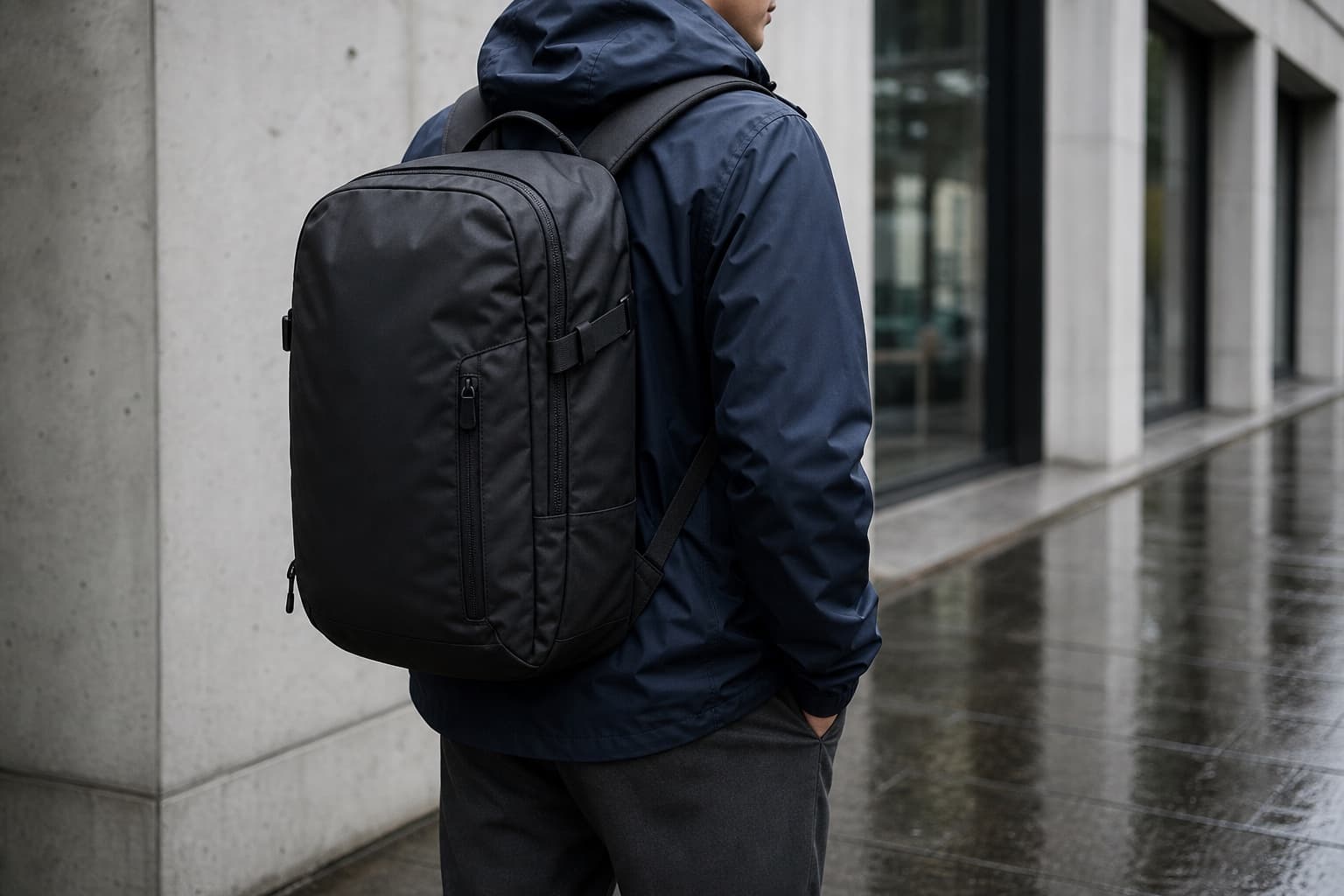
A wet canvas tote or delicate leather bag makes bad weather feel worse. A weather-resistant bag makes the outfit look deliberate and protects the things you actually carry.
Category: Accessory; backpack, crossbody, tote
Best colors: black, charcoal, navy, olive
Material: nylon, coated canvas, technical fabric
Texture: matte, structured
Best styling move: black technical backpack, rain shell, straight trousers, waterproof sneakers
Outfit Formulas
Use these as templates. The goal is not to memorize outfits. The goal is to understand which pieces solve which weather problem.
City Rain, Casual
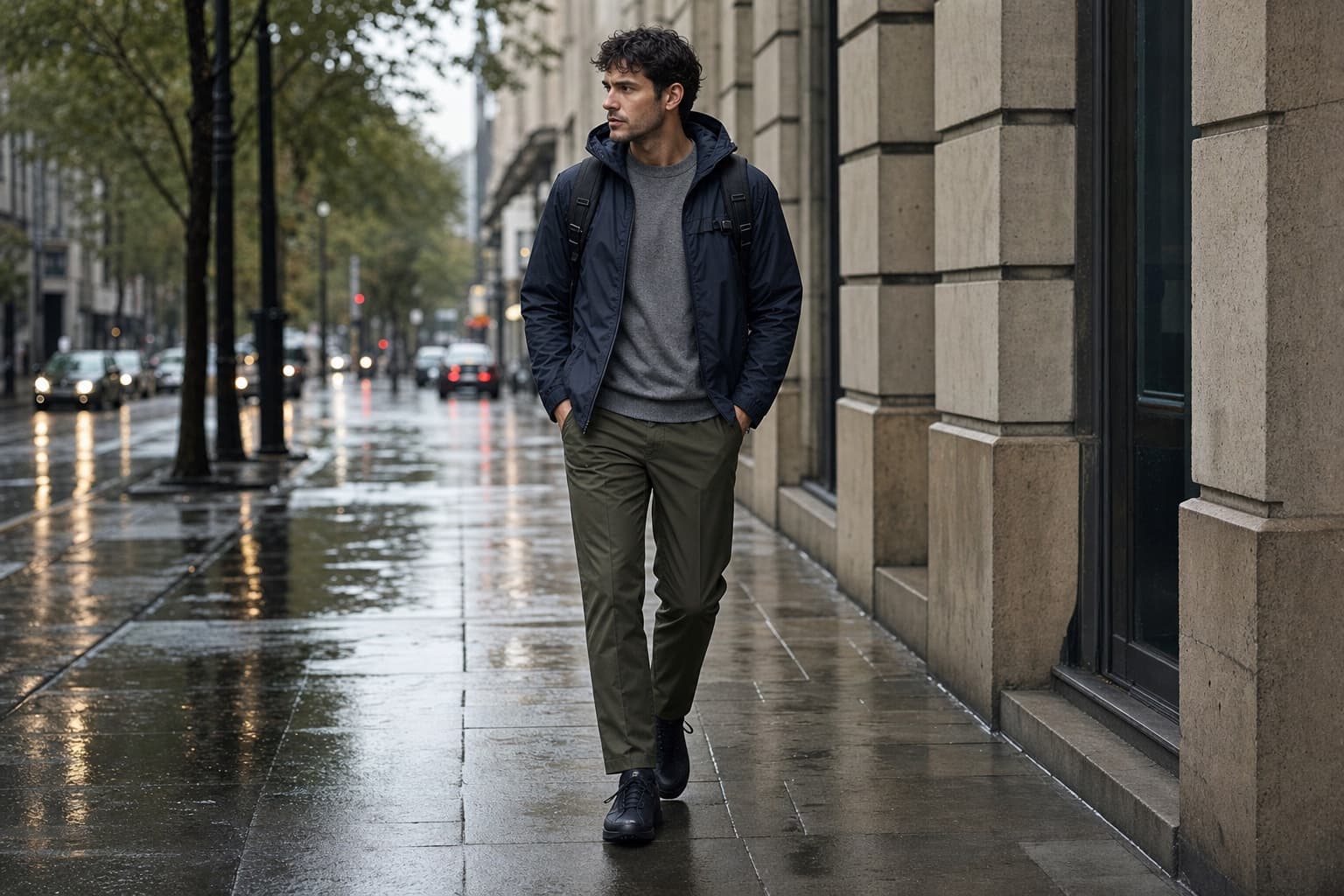
The shell handles the weather; the straight trousers keep the outfit from looking like gym gear. Keep the jacket matte and the sneakers simple, because shiny technical fabric plus loud footwear turns practical into costume.
Formula: rain shell + tee or knit + straight trousers + waterproof sneakers
Use for: rainy errands, casual office, weekend city walking
Example: navy rain shell, grey tee or lightweight merino knit, olive straight trousers, black waterproof sneakers, black technical backpack
Rain, But Polished
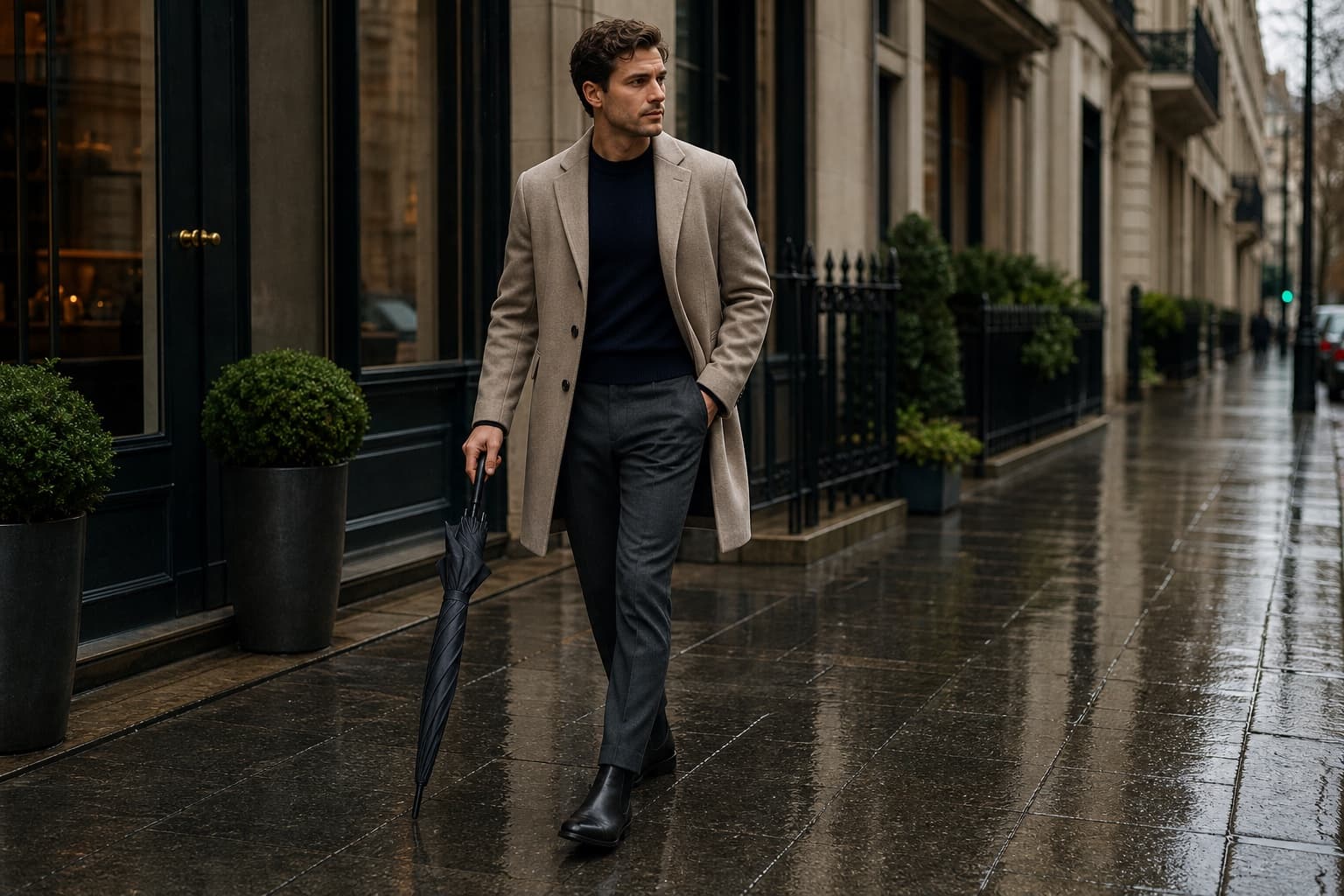
The mac gives rain protection without looking like outdoor gear. The key is proportion: the coat should cover the blazer or knit underneath and hit long enough to protect the upper leg.
Formula: mac coat + knit + trousers + boots or weather-resistant loafers
Use for: office, dinner, travel, meetings
Example: stone mac coat, navy crewneck sweater, charcoal trousers, black Chelsea boots, dark umbrella
Windy Transitional Weather
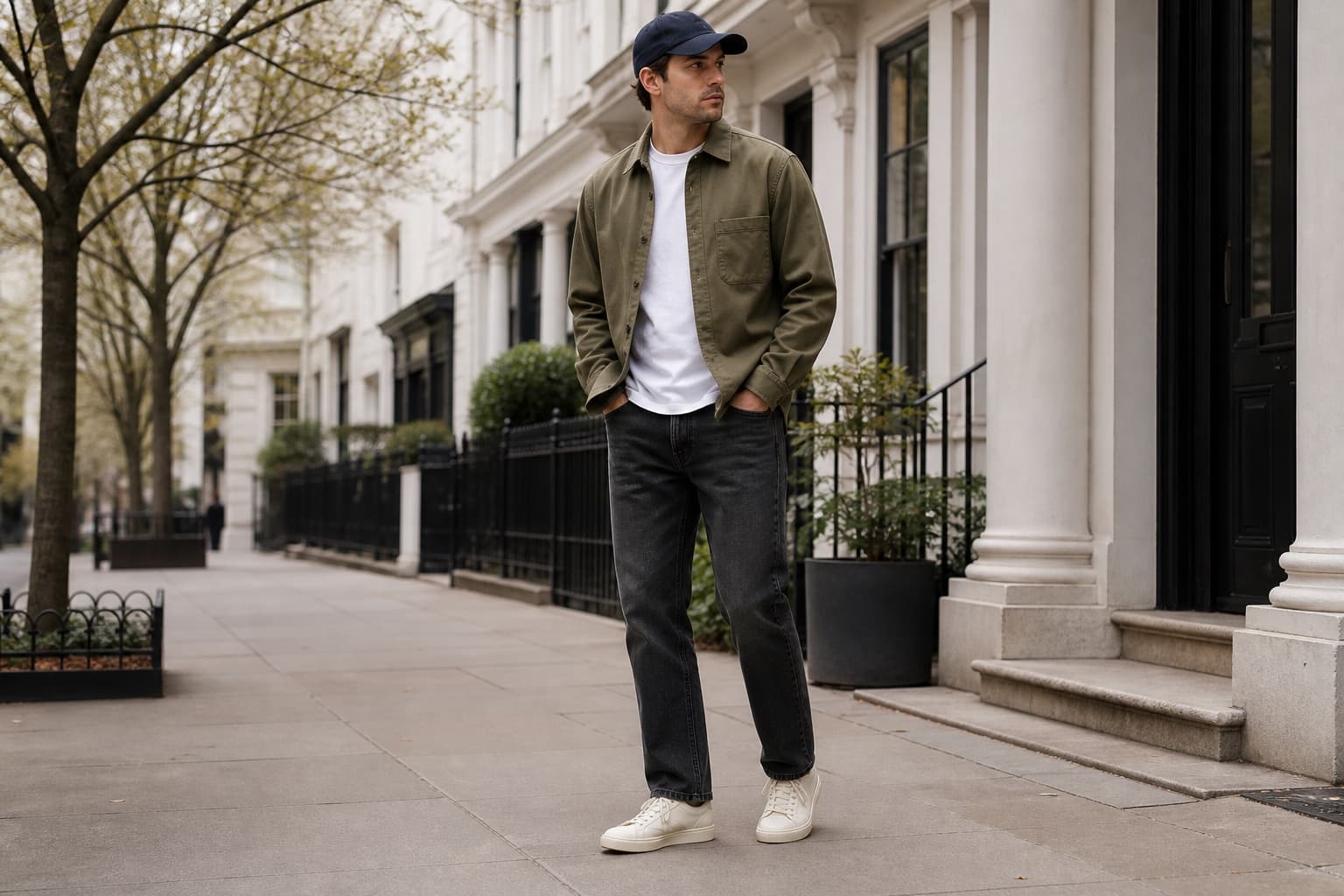
The overshirt gives structure and wind resistance without bulk. Add a shell over this if rain is likely, and the base outfit still works when the shell comes off.
Formula: overshirt + tee + relaxed denim + leather sneakers
Use for: spring, fall, mild wind, unpredictable days
Example: olive cotton overshirt, white heavyweight tee, faded black straight jeans, cream leather sneakers, navy cap
Cold City Day
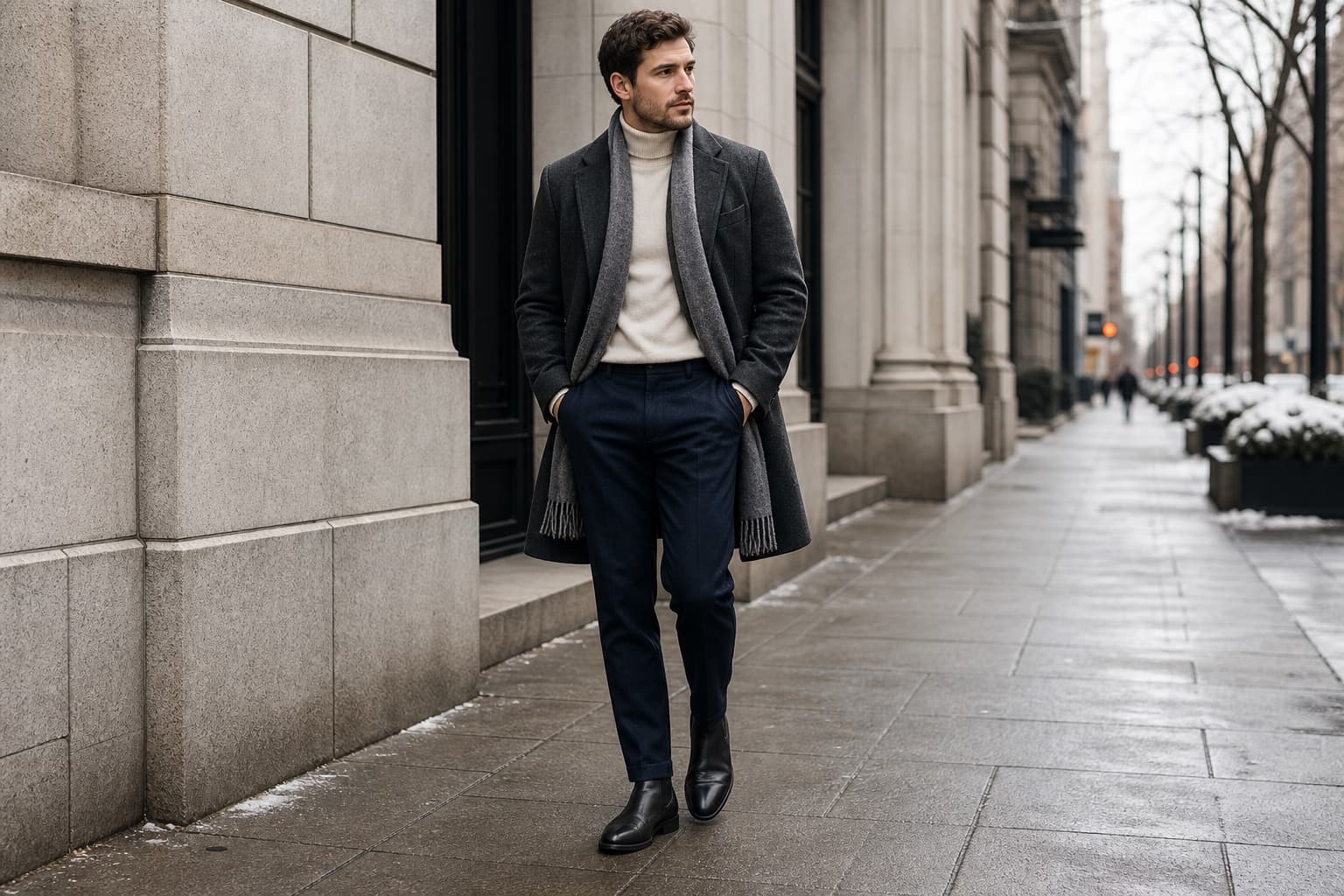
The wool coat gives warmth and polish; the boots make it practical. Avoid thin dress shoes in cold weather because they make the outfit look formal but physically wrong.
Formula: wool coat + knit + dark trousers + leather boots
Use for: cold but mostly dry weather, dinner, office, city walking
Example: charcoal wool coat, cream turtleneck or crewneck sweater, navy wool trousers or dark jeans, black leather boots, grey scarf
Snow and Slush
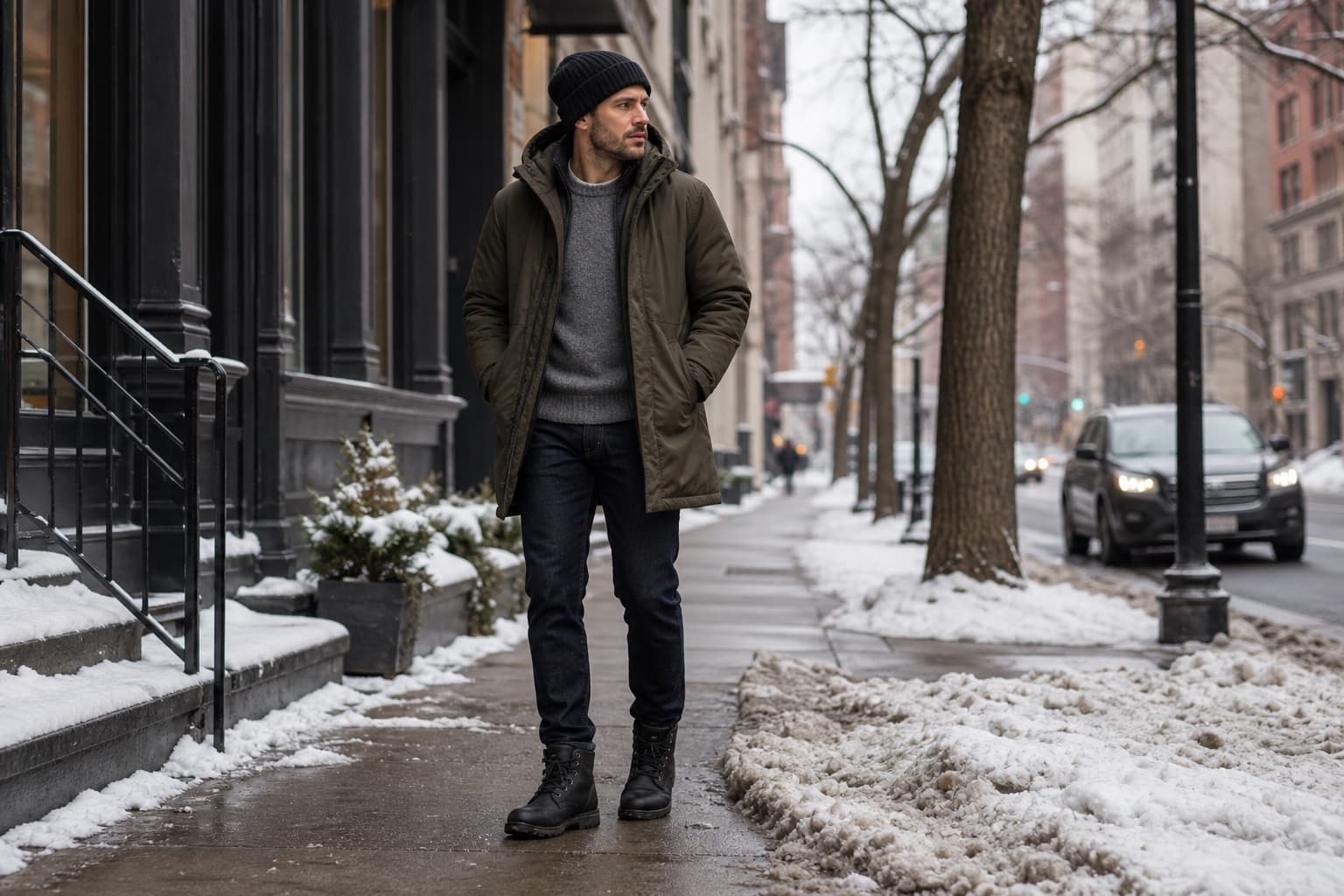
The parka and boots do the real work. The sweater keeps the outfit visually grounded. Do not wear cropped pants here; snow and exposed ankles are not a style choice.
Formula: parka + thermal base + sweater or hoodie + dark denim + insulated boots
Use for: snow, freezing rain, slush, long outdoor walks
Example: black or olive parka, thermal base layer, grey wool sweater, dark straight jeans, black insulated boots, ribbed beanie
Heatwave Smart Casual
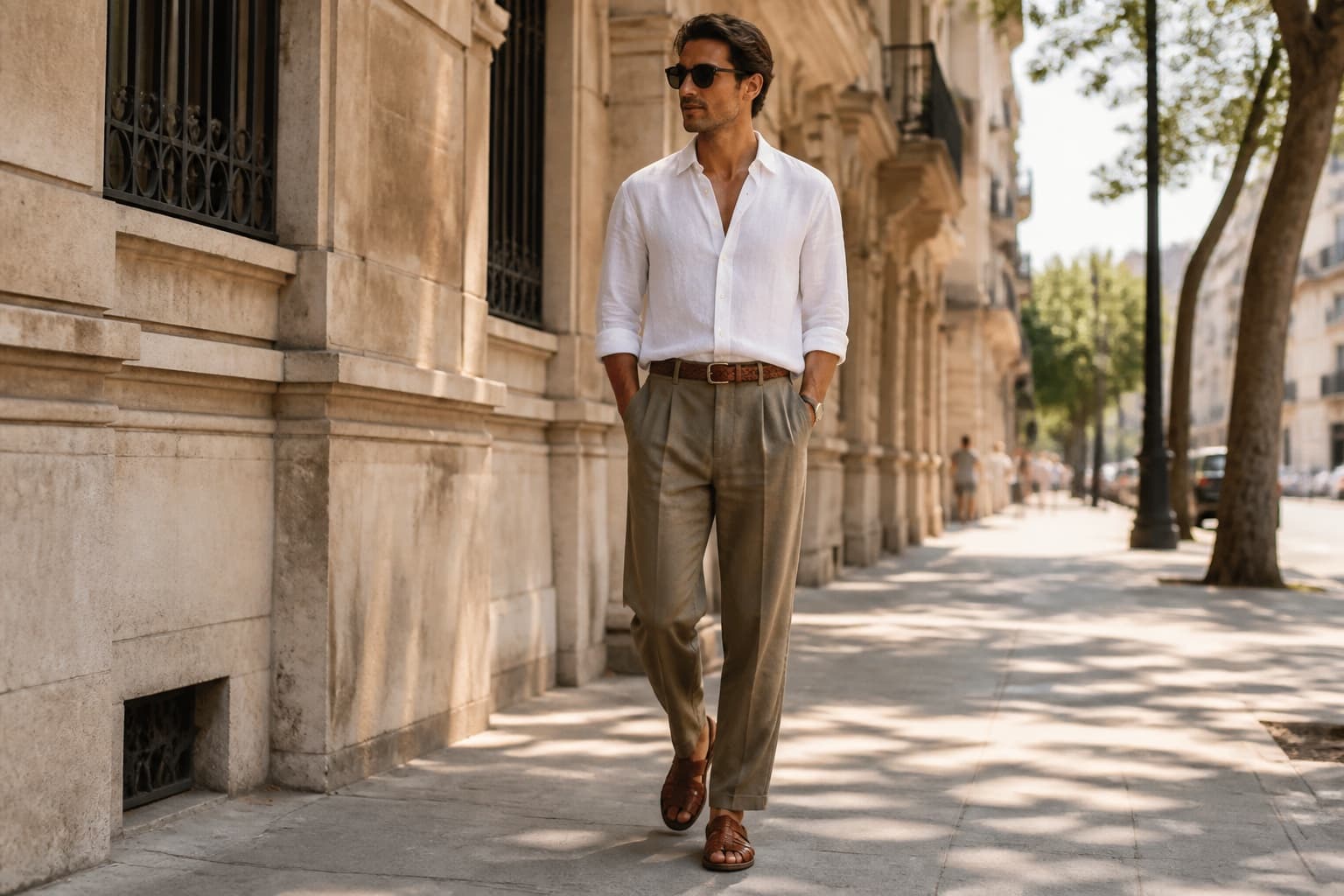
The fabrics breathe, but the outfit still has shape. Heatwave dressing should be loose, not sloppy: the shirt can be relaxed, but the collar and pants still need structure.
Formula: linen shirt + relaxed trousers + loafers or leather sandals
Use for: hot city days, summer dinners, travel, casual office
Example: white linen shirt, taupe or olive relaxed trousers, brown loafers or leather sandals, woven belt, sunglasses
Humid Day With Rain Risk
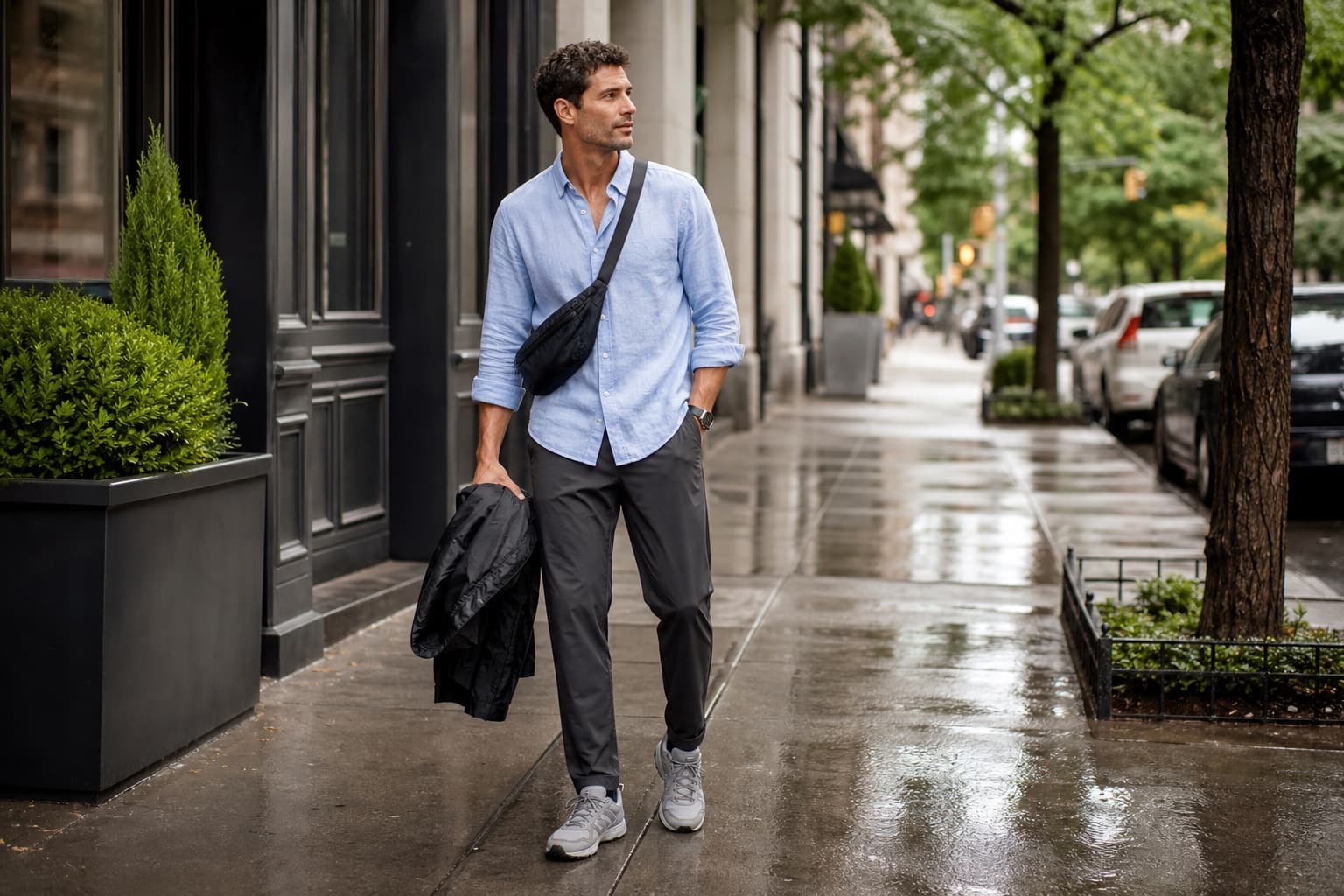
You stay cool before the rain and protected when it starts. This is one of the most useful urban travel formulas because it handles heat, walking, and sudden rain without changing outfits.
Formula: breathable shirt + lightweight technical trousers + packable shell + waterproof sneakers
Use for: summer storms, travel, humid city days
Example: pale blue cotton-linen shirt, charcoal lightweight technical trousers, packable black rain shell, grey waterproof sneakers, nylon crossbody bag
Elevated Weather Piece
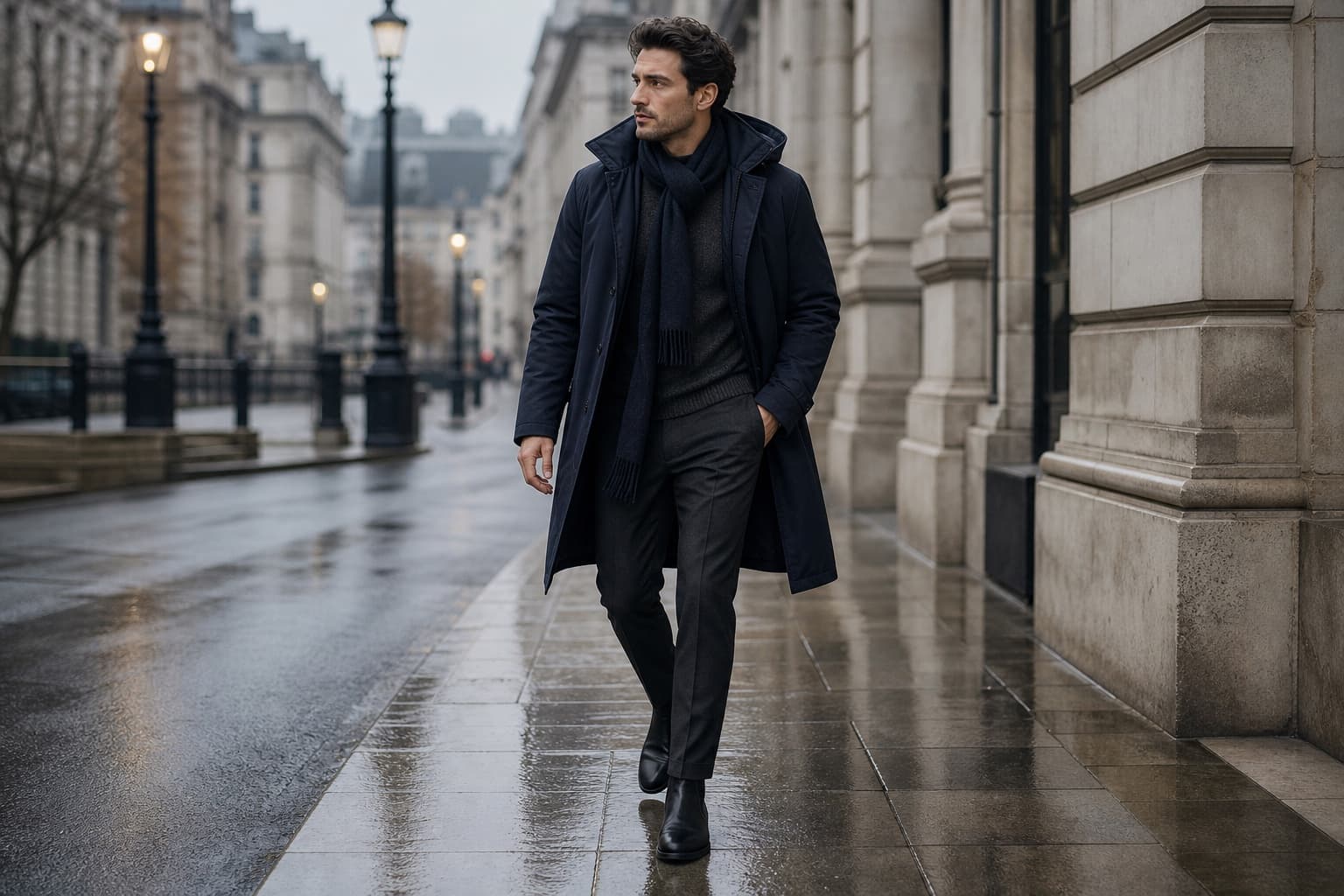
One strong outerwear piece carries the look while the rest stays quiet. The coat is the main event, so do not compete with it using loud sneakers, bright pants, or too many accessories.
Formula: premium coat + plain knit + controlled palette + weather-ready footwear
Use for: dinner, travel, date, work
Example: navy wool-cashmere coat or matte technical parka, charcoal knit, dark trousers, black boots, matching scarf
Budget Version Using Existing Basics
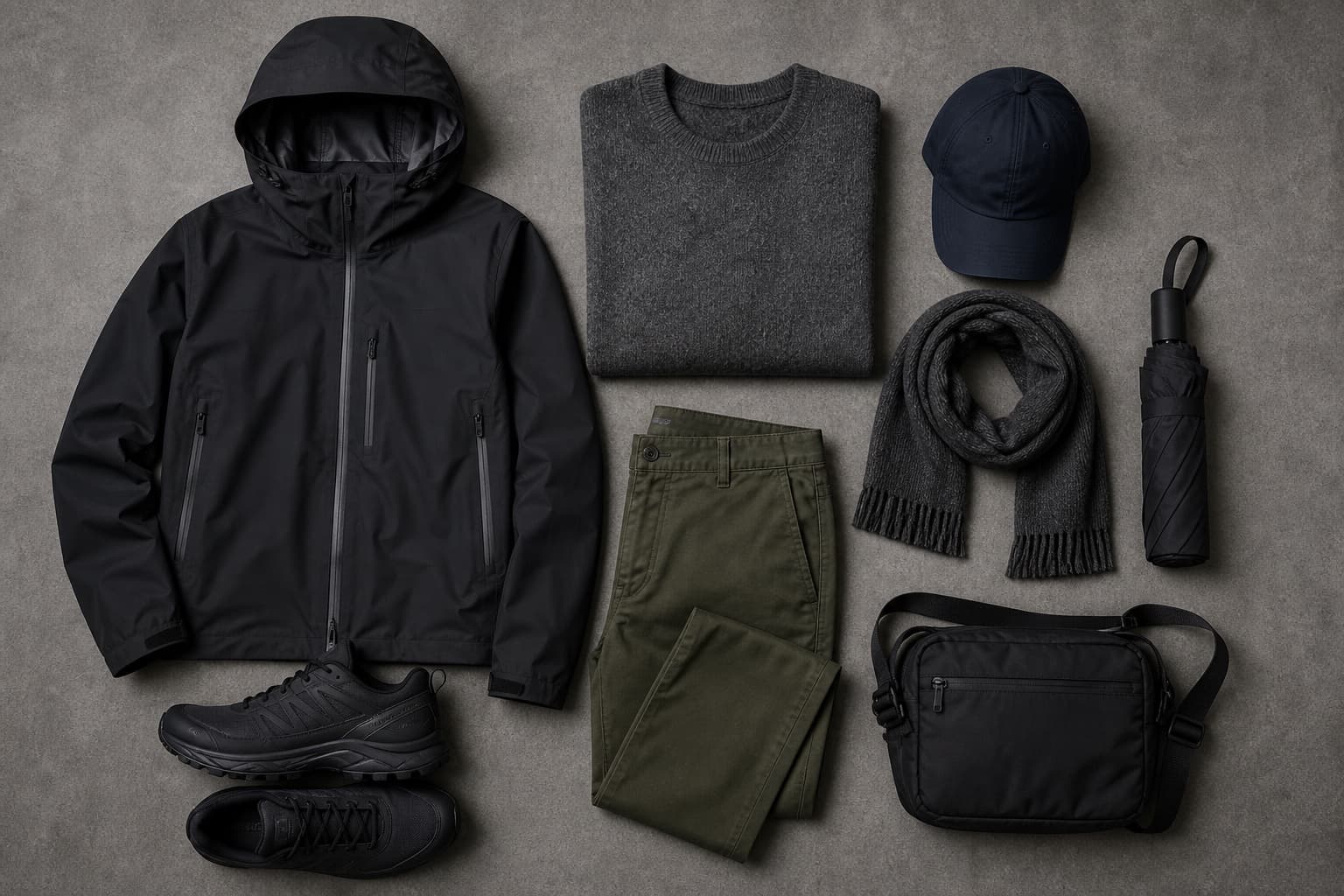
Most men already own the base pieces. The upgrade is the weather layer and footwear. Start by fixing the worst failure point; for most men, that is footwear.
Formula: clean outer layer + neutral base + practical shoe + one accessory
Use for: upgrading bad-weather outfits without rebuilding your closet
Example: existing navy or black jacket, white or grey tee, dark jeans, waterproof sneakers or boots, cap or beanie
Wrong But Interesting
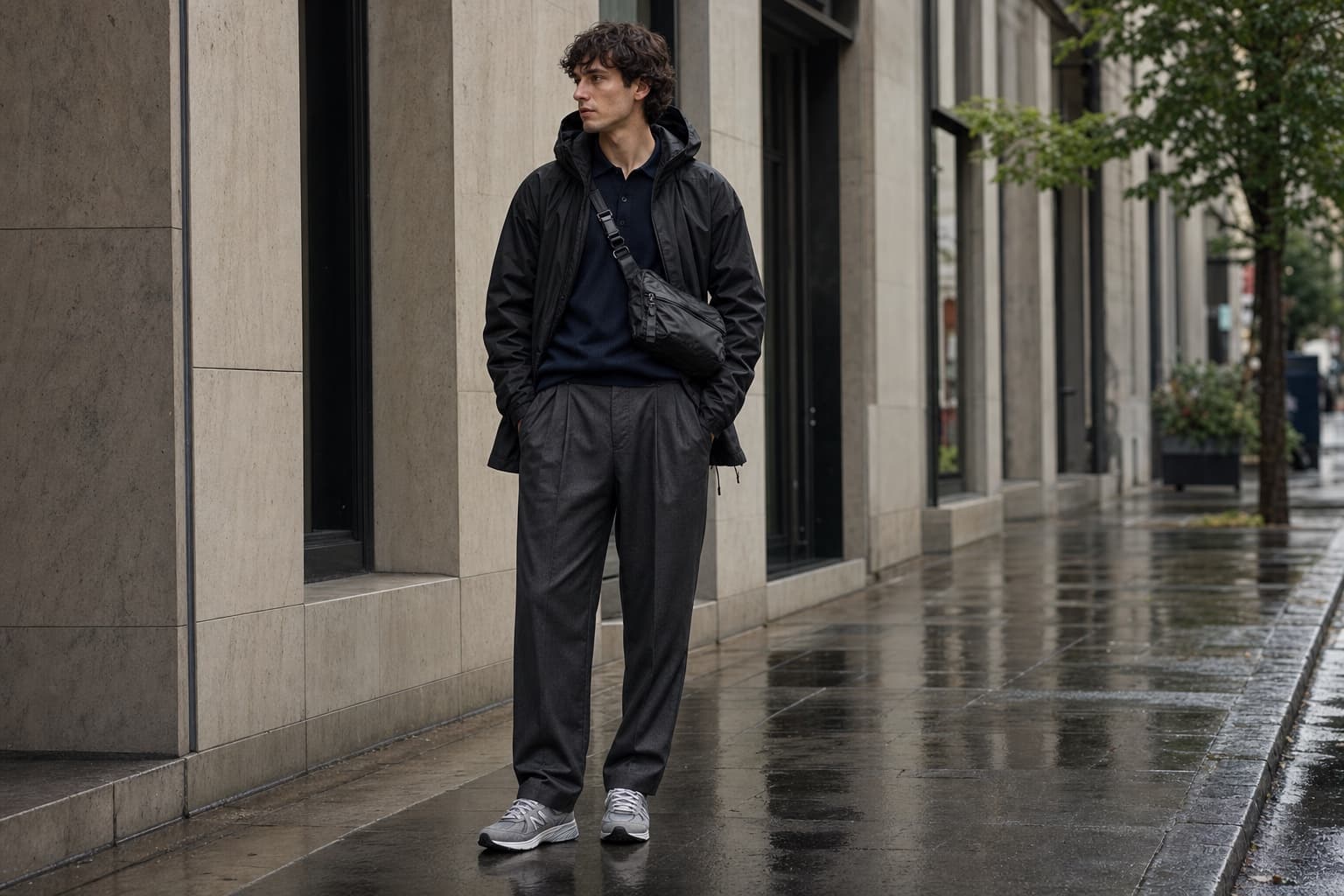
The technical shell and tailored trouser should not obviously belong together, but the knit polo and retro runner bridge the gap. The trick is keeping the palette tight.
Formula: technical shell + tailored trouser + retro runner + knit polo
Use for: creative office, city weekends, travel
Example: black matte rain shell, charcoal pleated trousers, navy knit polo, grey retro runners, technical crossbody bag
Color and Texture Logic
Bad-weather outfits should not rely on bright color to look interesting. Texture does more work.
Best Weather Palette
Start with:
- Black
- Navy
- Charcoal
- Olive
- Brown
- Stone
- Cream
- Grey
Then add one controlled accent if needed:
- Burgundy
- Forest green
- Rust
- Cobalt
- Mustard
Rain
Rain looks best with matte textures and darker colors. Black, navy, olive, and charcoal hide water marks and pair naturally with technical fabric. Stone and beige can look sharp in a mac coat, but they need cleaner styling.
Snow
Snow outfits benefit from contrast: black parka, grey knit, dark denim, brown or black boots. Texture matters because cold-weather outfits can become visually heavy. Use wool, ribbing, brushed cotton, leather, and matte nylon.
Heat
Heat outfits need lighter colors and breathable textures: white, cream, pale blue, tan, olive, and washed navy. Linen, cotton, open-weave knits, and silk blends create movement without adding bulk.
Wind
Wind is about shape. Boxy jackets, chore coats, overshirts, and cropped shells work better than loose, long, thin layers that flap around.
Fit Rules
Outerwear Must Leave Room for Layers
A coat that only fits over a tee is not a real bad-weather coat. Rain shells, parkas, wool coats, and mac coats should all fit over at least one meaningful layer.
Keep the Leg Shape Straight
Weather outfits get top-heavy quickly. Straight or relaxed-straight pants balance parkas, shells, puffers, and wool coats better than skinny pants.
Match Footwear Weight to Outerwear Weight
A parka needs boots or substantial sneakers. A wool coat can handle boots, derbies, or clean weather-resistant loafers. A rain shell works with waterproof sneakers, boots, or technical shoes.
Avoid Exposed Ankles in Cold or Wet Weather
This is not about trend. It just looks impractical. Use proper socks, full-length pants, and footwear that matches the conditions.
Do Not Let Technical Gear Consume the Outfit
One or two technical pieces are enough. Rain shell plus technical bag works. Rain shell plus hiking pants plus trail runners plus tactical cap can look like a gear catalog unless that is the intended vibe.
Common Mistakes
Mistake 1: Dressing for the Destination, Not the Journey
A nice sweater and trousers do not matter if you are soaked by the time you arrive. Build the outfit around the full day: commute, walking, indoor temperature, outdoor exposure, and evening plans.
Mistake 2: Wearing Delicate Shoes in Hostile Weather
Suede loafers in rain, thin sneakers in snow, and leather soles in slush are bad decisions. They also make the outfit look careless.
Mistake 3: Treating Heat Like an Excuse to Stop Styling
Shorts and a T-shirt can work, but heatwave style is better when fabric, fit, and proportion are intentional. Relaxed linen, cotton shirting, open collars, and clean sandals are not the same as gym shorts and a faded tee.
Mistake 4: Buying Only Black Technical Gear
Black is useful, but a full black technical outfit can become flat. Add grey, olive, brown, navy, cream, or texture to avoid looking like a commuter shell.
Mistake 5: Forgetting the Indoor Outfit
Bad-weather dressing is layered. The outfit underneath needs to stand on its own. If the coat comes off and the look collapses, the system failed.
Mistake 6: Ignoring Care and Maintenance
Weather pieces need upkeep. Waterproofing wears down. Leather needs care. Salt stains ruin boots. Linen wrinkles, which can look good if the fit is intentional and bad if the garment is too thin.
How to Build the Look From What You Own
Start with your actual weather problems.
If Rain Is the Issue
Buy or tag:
- Matte rain shell
- Waterproof sneakers
- Technical bag
- Straight trousers that do not cling when damp
If Snow Is the Issue
Buy or tag:
- Real parka
- Insulated boots
- Wool sweater
- Scarf and beanie
If Heat Is the Issue
Buy or tag:
- Linen or cotton-linen shirt
- Relaxed trousers or tailored shorts
- Breathable knit polo
- Leather sandals or loafers
If Wind Is the Issue
Buy or tag:
- Overshirt
- Chore coat
- Bomber
- Compact shell
Do not build a fantasy wardrobe for rare conditions. Build around the weather you actually face.
FAQ
What should men wear in bad weather?
Men should wear weather-specific outerwear, practical footwear, breathable or insulating layers, and pants that maintain shape. The exact outfit depends on the condition: rain needs a shell or mac and waterproof shoes; snow needs a parka and boots; heat needs breathable fabrics like linen and cotton.
How do you dress well in the rain?
Use a matte rain shell or mac coat, straight trousers, and waterproof sneakers or boots. Avoid delicate shoes, shiny flimsy jackets, and pants that cling when wet. Keep the palette simple: navy, black, olive, charcoal, or stone.
How can men dress stylishly in hot weather?
Choose breathable fabrics, relaxed fits, and light colors. Linen shirts, cotton-linen blends, open-weave knits, relaxed trousers, tailored shorts, loafers, and leather sandals work better than tight tees and heavy denim.
Are technical jackets stylish?
They can be, if the fit, color, and styling are controlled. A matte black, navy, olive, or charcoal shell can look sharp with trousers, denim, knitwear, and clean sneakers. Overly shiny fabric and excessive branding make technical jackets harder to style.
What shoes work best for rain and snow?
For rain, waterproof sneakers, treated leather shoes, and weather boots work best. For snow and slush, use insulated boots or lug-sole boots with traction. Thin sneakers, suede loafers, and leather soles are poor choices for wet or icy conditions.