Formalwear and Wedding Guest Style
A practical men’s guide to suits, tux alternatives, seasonal dressing, tailoring, shoes, and formality calibration.
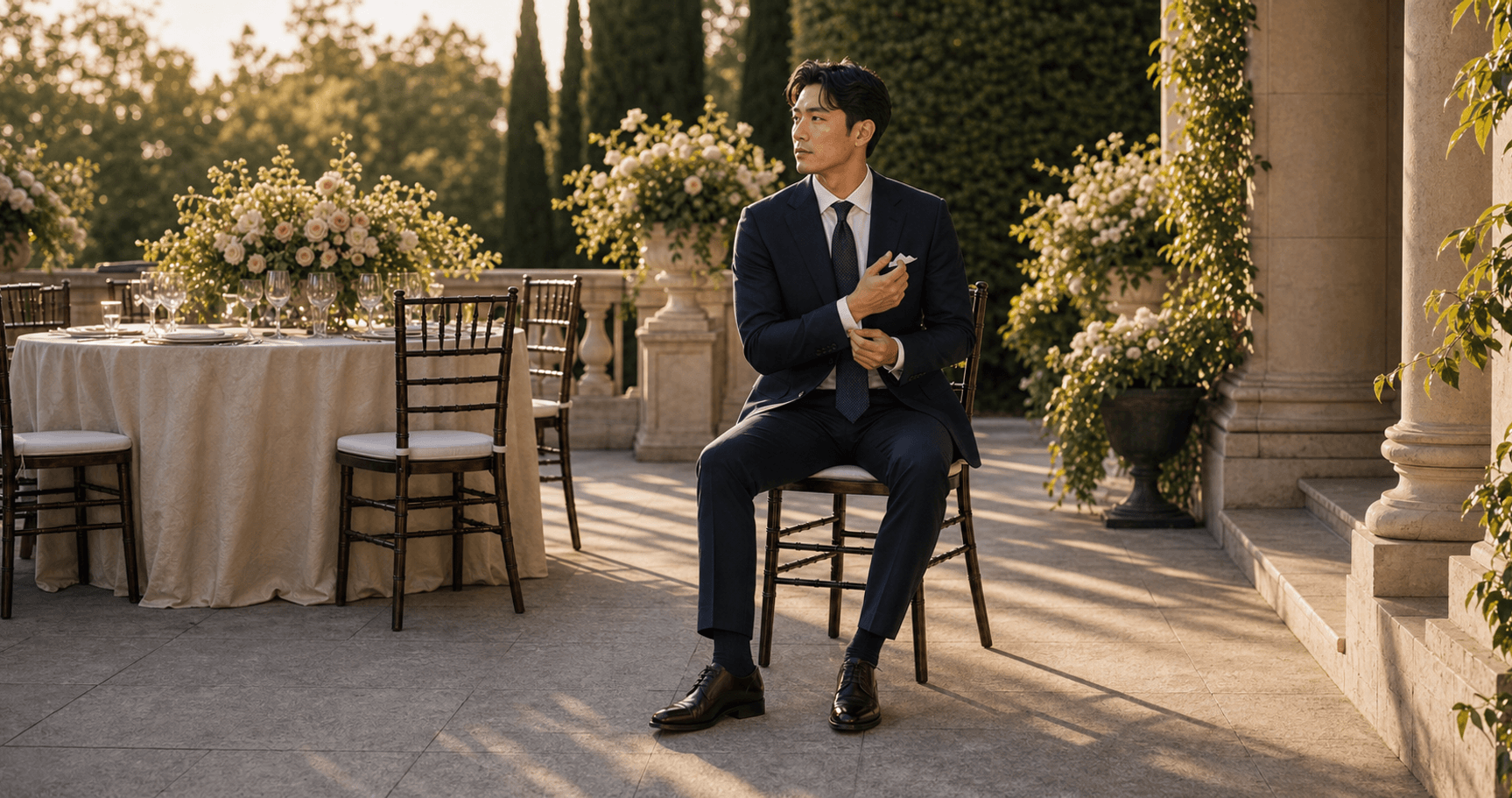
Formalwear fails when men treat every dressy event the same. A navy suit for a beach wedding, a black suit for a summer garden ceremony, a tuxedo without the required dress code, sneakers at cocktail hour, loafers in freezing weather: none of these are disasters individually, but they show a lack of calibration. The point of formal dressing is not to look stiff. It is to understand the room.
Good wedding guest style sits at the intersection of respect, season, venue, and personal taste. You should look intentional without trying to outdress the couple. You should know when to wear a suit, when separates are enough, when black tie actually means black tie, and when a softer jacket or textured fabric will look better than a corporate worsted suit.
The strongest formal wardrobe is not large. It is precise: one dark suit, one warm-weather suit, one polished jacket, dress shoes that match the setting, shirts that fit cleanly, and accessories that do not compete with the event.
What Formalwear Is Now
Modern formalwear is less rigid than old office suiting, but it is not casual. The change is in softness, texture, and context. Men can wear relaxed tailoring, suede loafers, knit ties, linen suits, soft shoulders, and seasonal colors, but the outfit still needs structure.
It is:
- A suit that fits the event, not just your body.
- Fabric chosen for the season.
- Shoes that support the formality level.
- Accessories used sparingly.
- Tailoring that creates shape without looking tight.
It is not:
- A business suit copied into every wedding.
- A black suit treated as a tuxedo.
- A linen suit worn to every summer event regardless of dress code.
- Loud accessories used as personality replacement.
- Ignoring the invitation because you want to look “different.”
The best approach is to start with the dress code, then adjust for venue, climate, time of day, and your role at the event.
The Core Pieces
Navy Suit
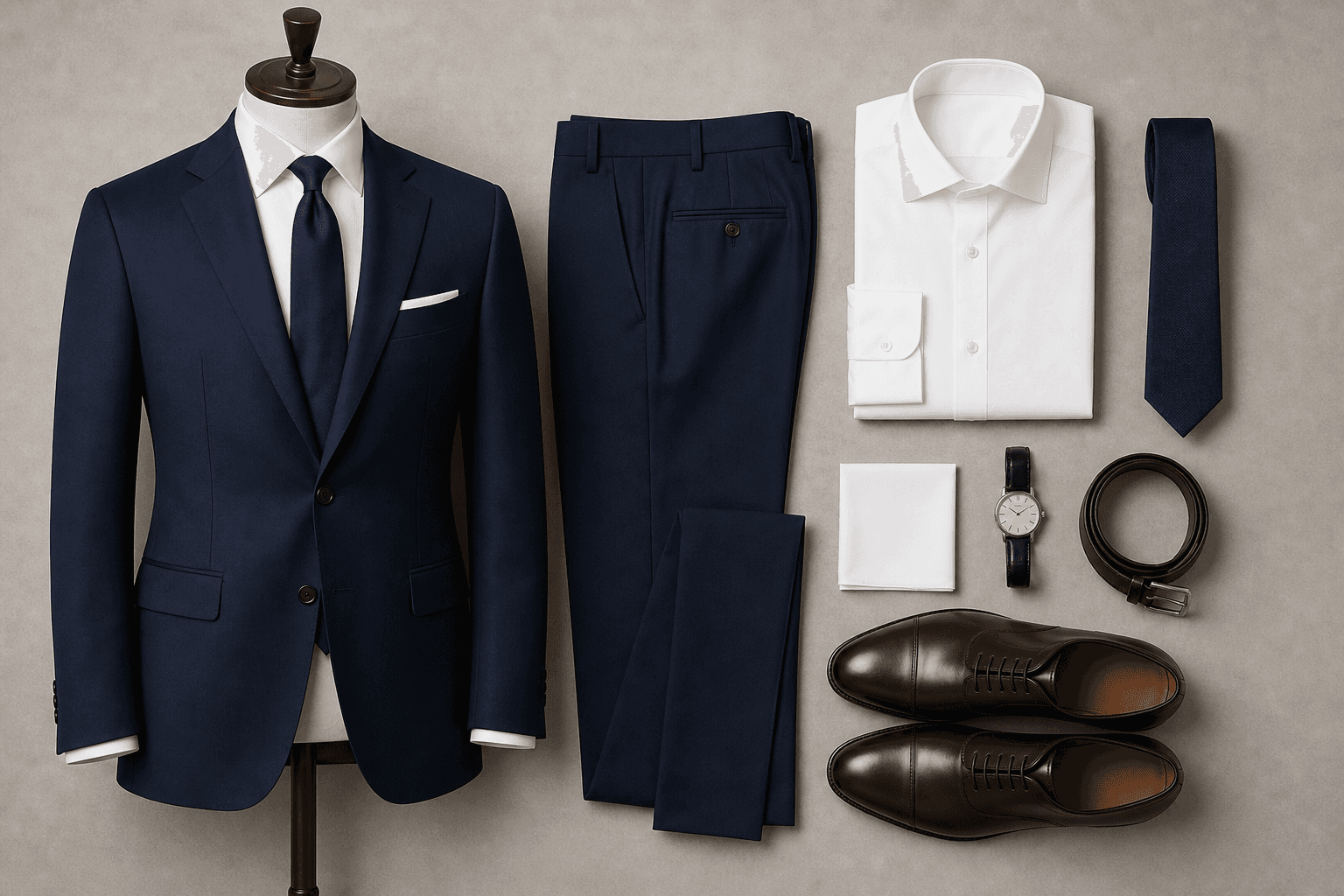
A navy suit is the most useful formal base. It works for weddings, dinners, interviews, office events, ceremonies, and travel. The key is avoiding a shiny corporate finish. A slightly textured navy suit looks more versatile than a flat business suit.
Category: Outerwear / Bottom
Type: suit jacket + suit trouser
Best colors: navy, dark navy, midnight blue
Material: wool, tropical wool, wool-mohair blend
Fit: tailored, natural shoulder, moderate taper
Event: wedding_formal, work_office, date_dinner
Charcoal Suit
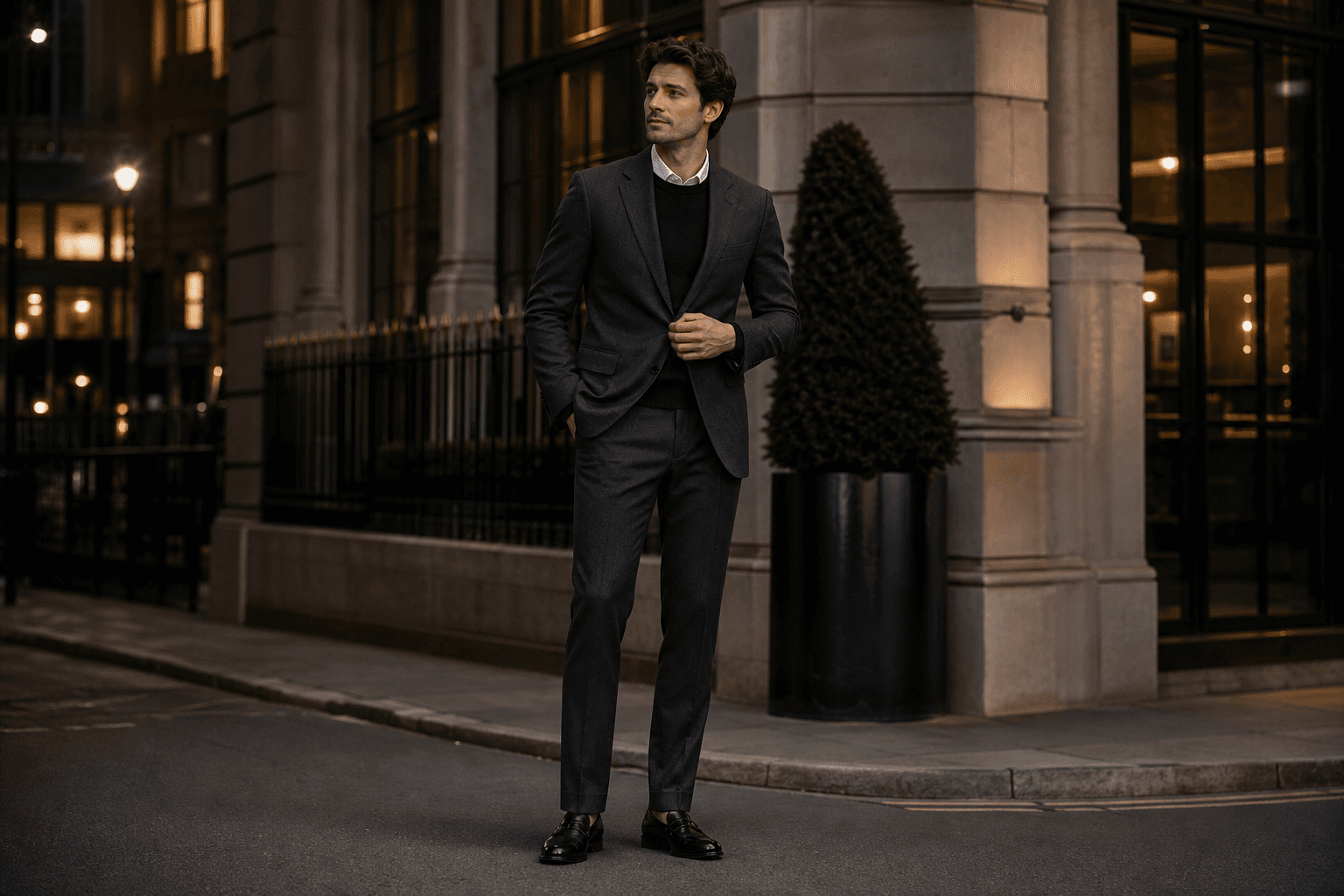
Charcoal is more serious than navy. It works well for evening weddings, formal dinners, and colder weather. Keep the shirt and tie sharp; charcoal can look dull if everything around it is flat.
Category: Outerwear / Bottom
Type: suit jacket + suit trouser
Best colors: charcoal, dark gray, mid-gray
Material: wool, flannel, high-twist wool
Fit: clean, structured, not skinny
Season: fall, winter, spring
Warm-Weather Suit
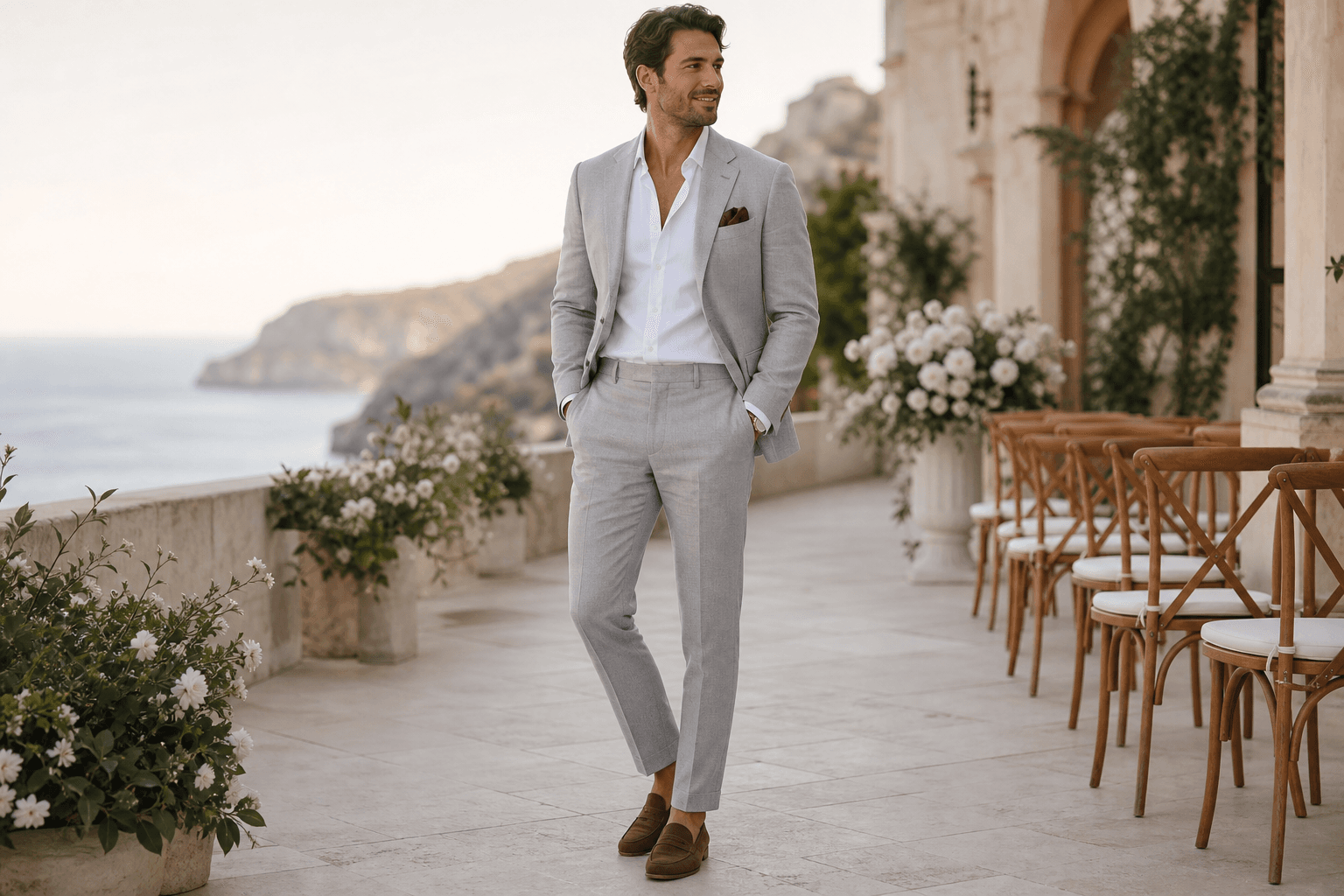
Warm-weather tailoring should look breathable without looking like beachwear. A linen suit can wrinkle; that is part of the fabric. The issue is not wrinkles. The issue is poor shape. Choose a jacket that still holds the shoulder and lapel.
Category: Outerwear / Bottom
Type: suit jacket + suit trouser
Best colors: tan, stone, tobacco, olive, light gray, pale blue
Material: linen, cotton, wool-linen, silk-linen blend
Fit: relaxed but tailored
Weather: heat, humidity, outdoor_weather
Dinner Jacket or Tuxedo
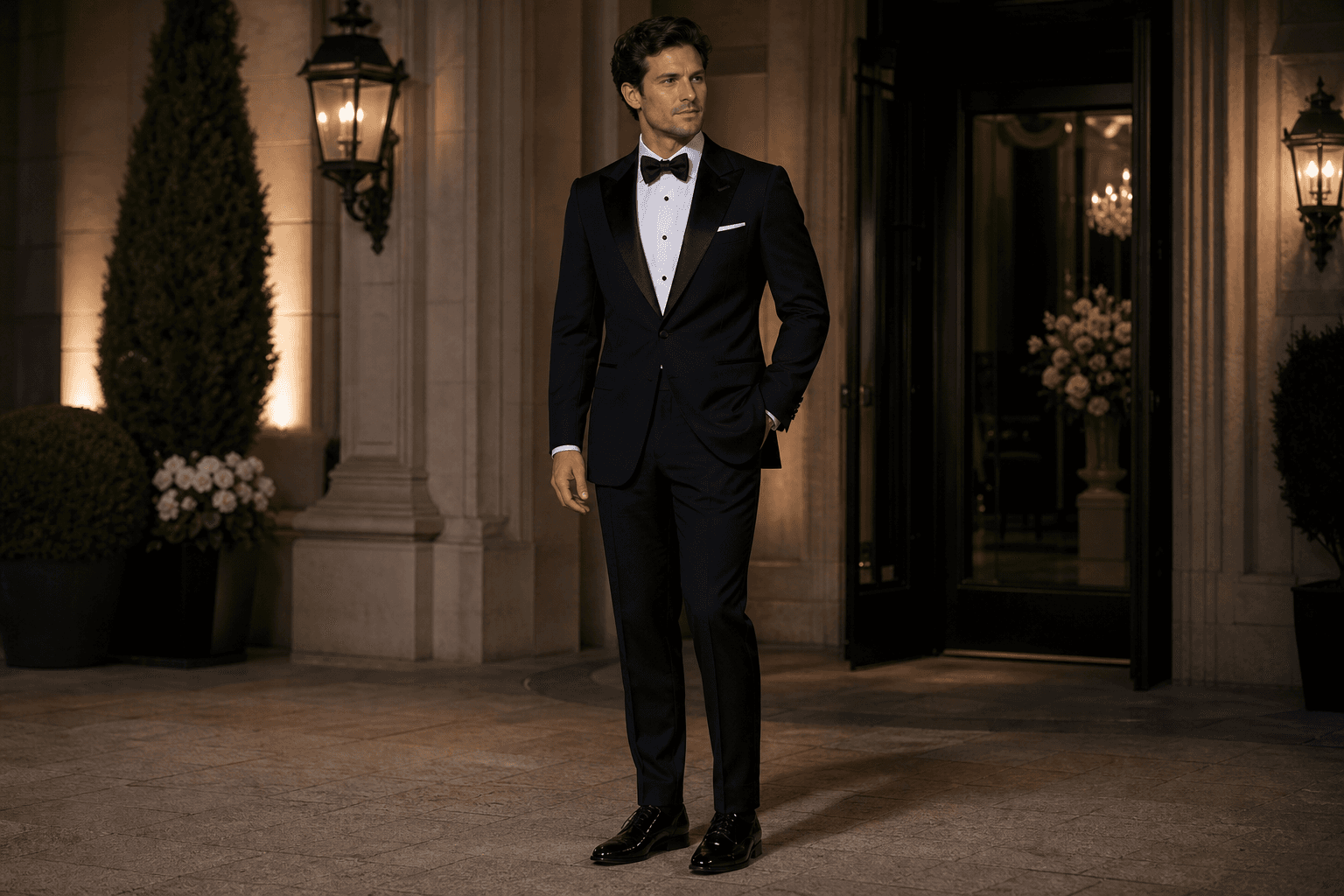
If the invitation says black tie, wear black tie. A dark business suit is not the same thing. A tuxedo should have correct details: satin or grosgrain lapel, proper trousers, formal shirt, black bow tie, and black formal shoes.
Category: Outerwear / Bottom
Type: tuxedo / dinner jacket
Best colors: black, midnight navy, ivory dinner jacket
Material: wool barathea, mohair blend, velvet for specific settings
Formality: black tie
Soft Sport Coat
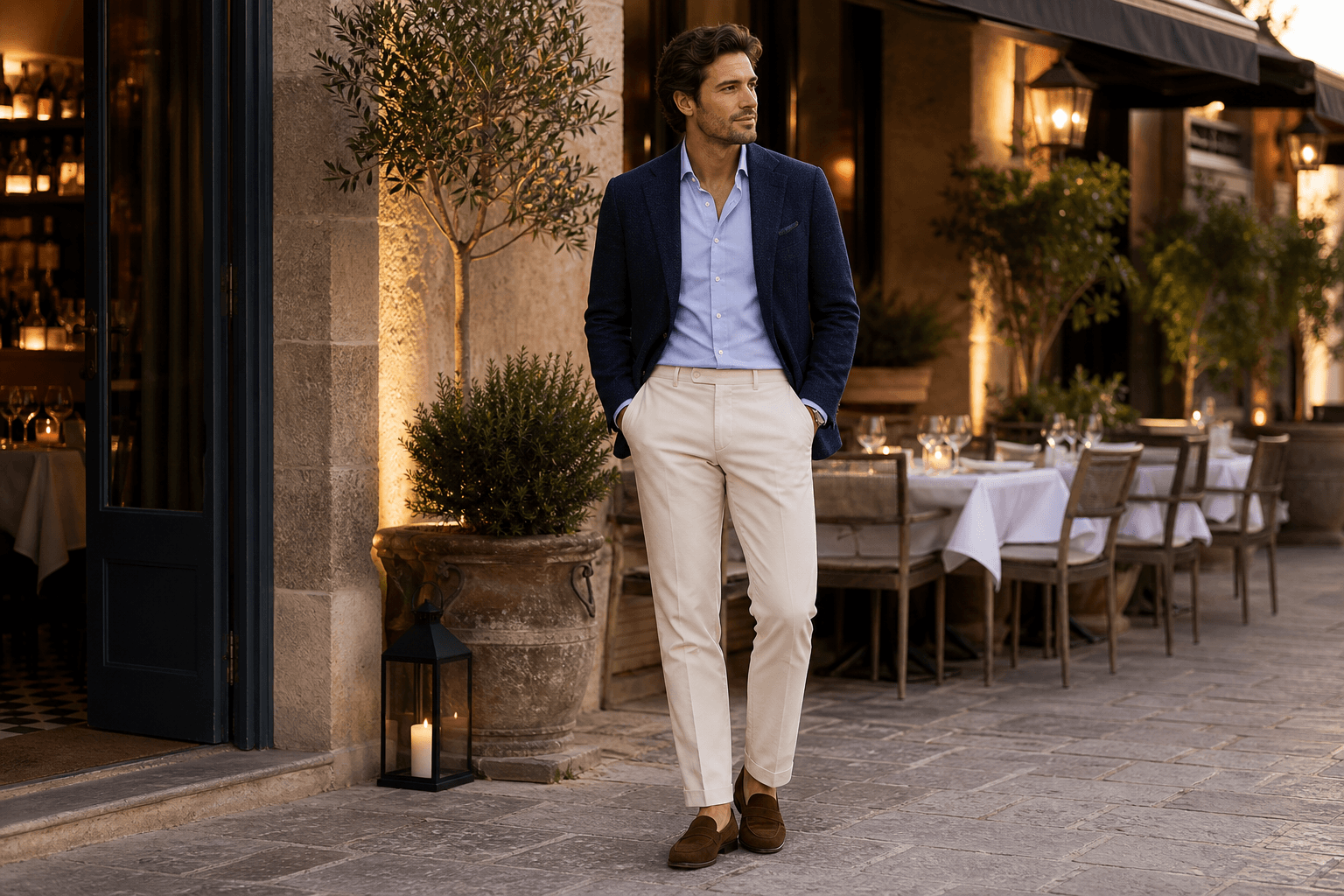
A sport coat is for dressy-but-not-formal settings: rehearsal dinners, welcome drinks, restaurant birthdays, rooftop parties, office-adjacent events. It should not look like an orphaned suit jacket. Texture matters.
Category: Outerwear
Type: sport coat / blazer
Best colors: navy, brown, olive, gray, cream
Material: hopsack, wool, linen, tweed, corduroy
Vibe: classic, smart_casual, polished
Dress Shirt
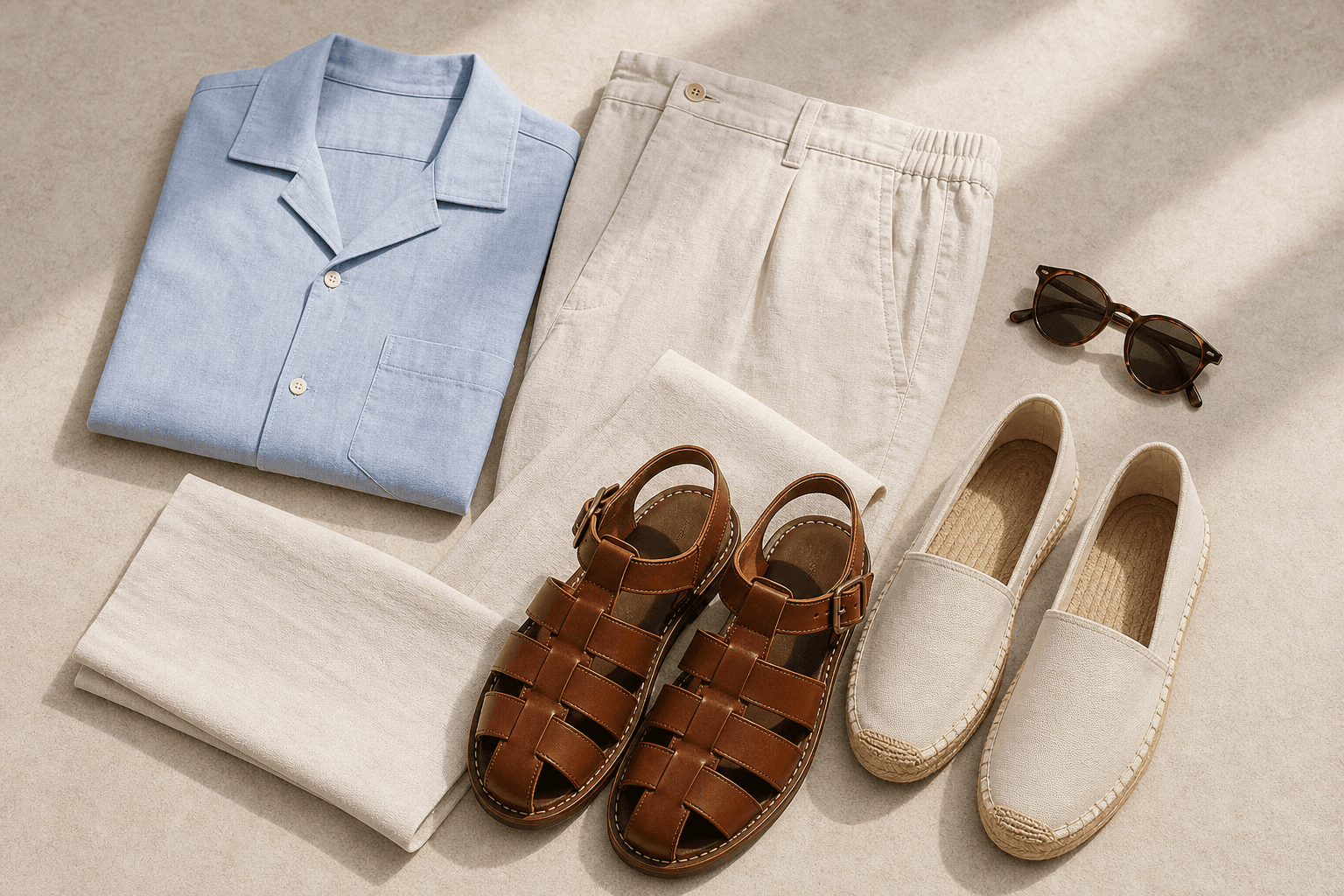
White and light blue handle most events. For formal weddings, choose crisp cotton. For casual summer weddings, a linen-cotton shirt can work, but avoid floppy collars.
Category: Top
Type: dress shirt
Best colors: white, light blue, cream, pale pink, subtle stripe
Material: cotton poplin, oxford, twill, linen-cotton
Fit: clean through neck, shoulder, chest, sleeve
Knit Polo or Fine-Gauge Knit
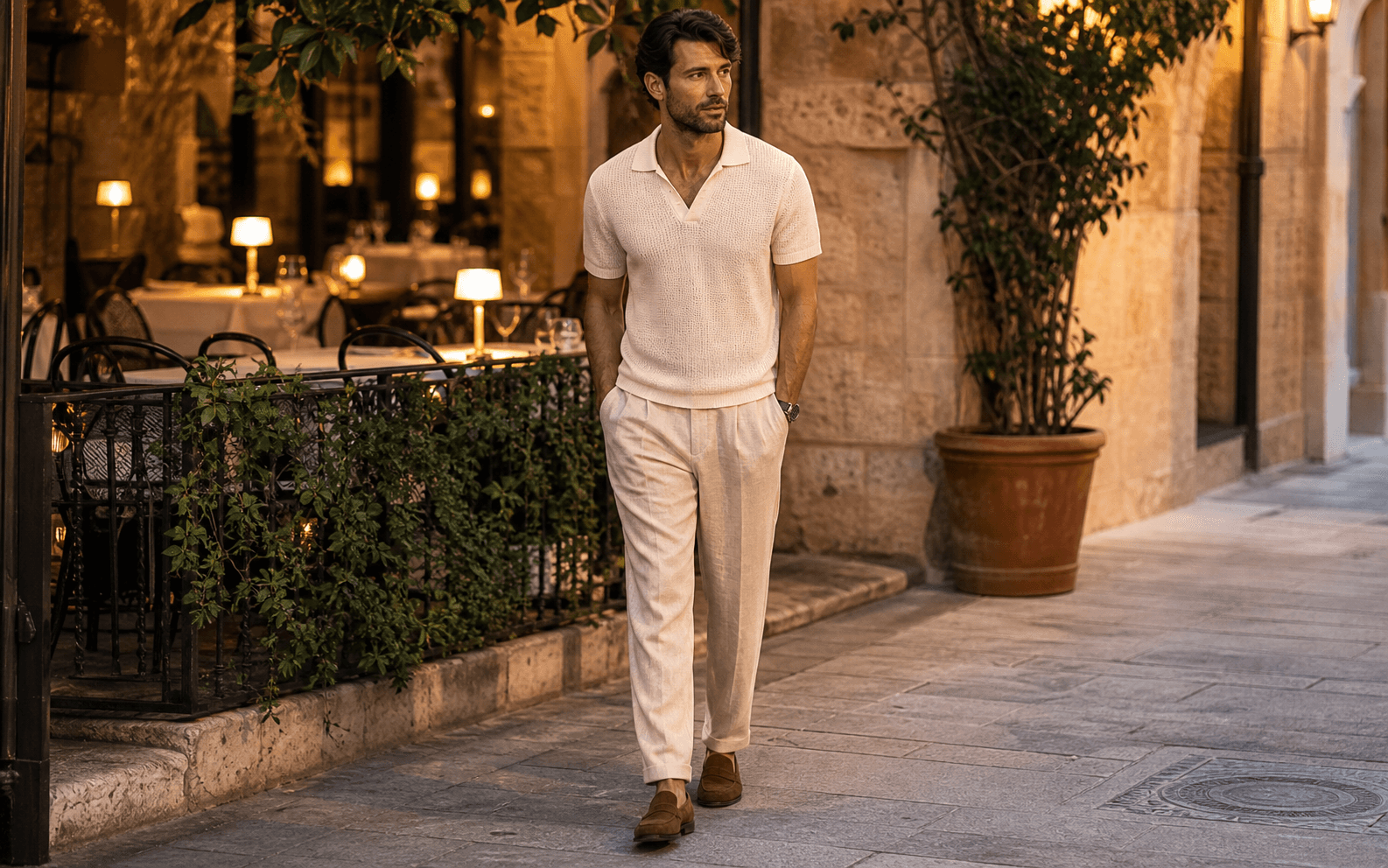
This is useful for events that do not require a tie. A knit polo under a sport coat can look polished without becoming corporate. It is not a substitute for black tie or formal wedding attire.
Category: Top
Type: knit polo / merino crew / fine-gauge knit
Best colors: navy, cream, charcoal, brown, black, olive
Material: merino, cotton, silk-cotton, linen knit
Formality: smart casual to cocktail-adjacent
Dress Trousers
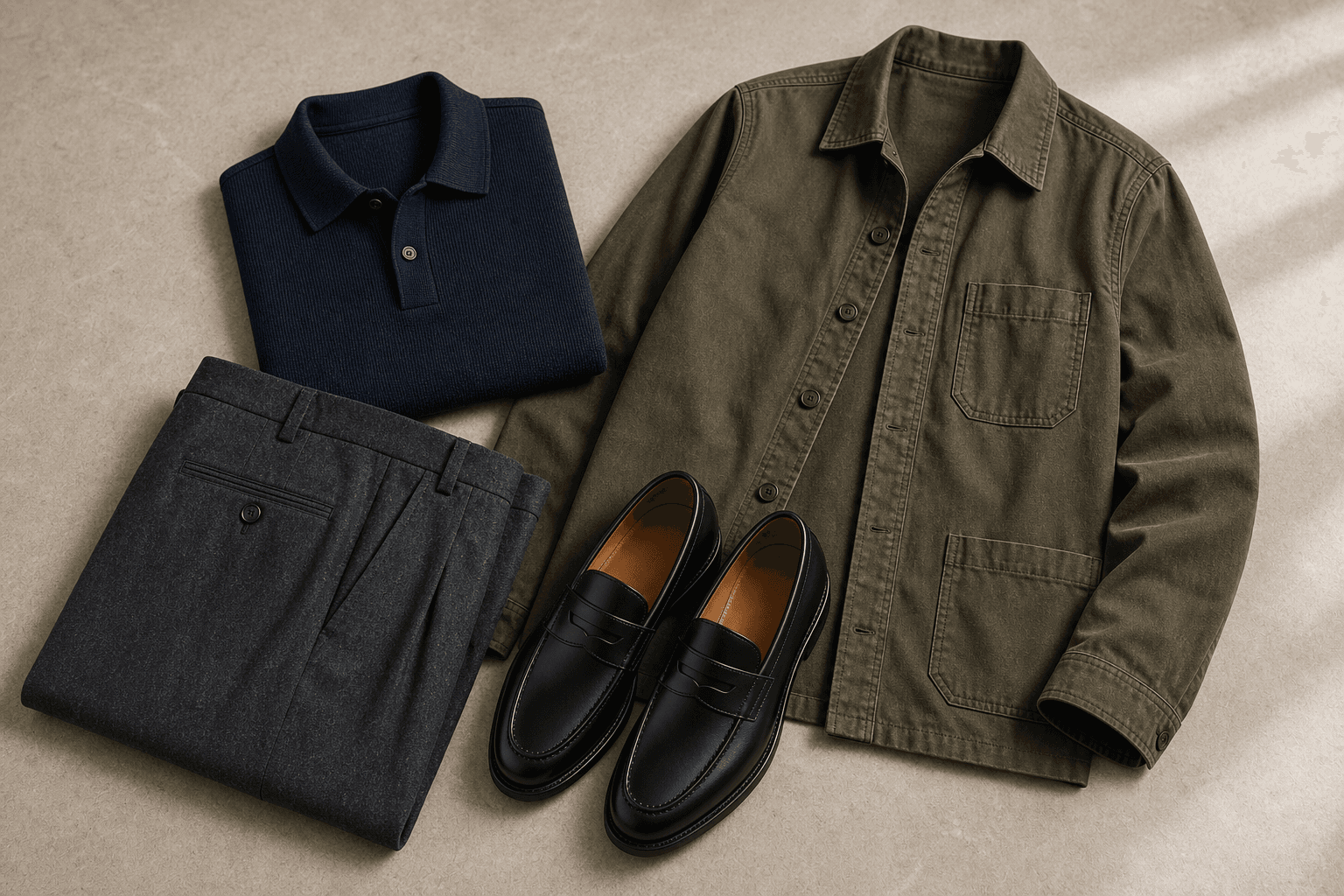
A good trouser makes tailoring feel intentional. The rise, drape, and hem matter. Too slim makes formalwear look dated; too baggy can look sloppy unless the whole silhouette is designed around volume.
Category: Bottom
Type: wool trouser / pleated trouser / linen trouser
Best colors: gray, charcoal, navy, cream, taupe, brown
Fit: straight, tailored, slight taper, clean break
Material: wool, linen, cotton, tropical wool
Loafers
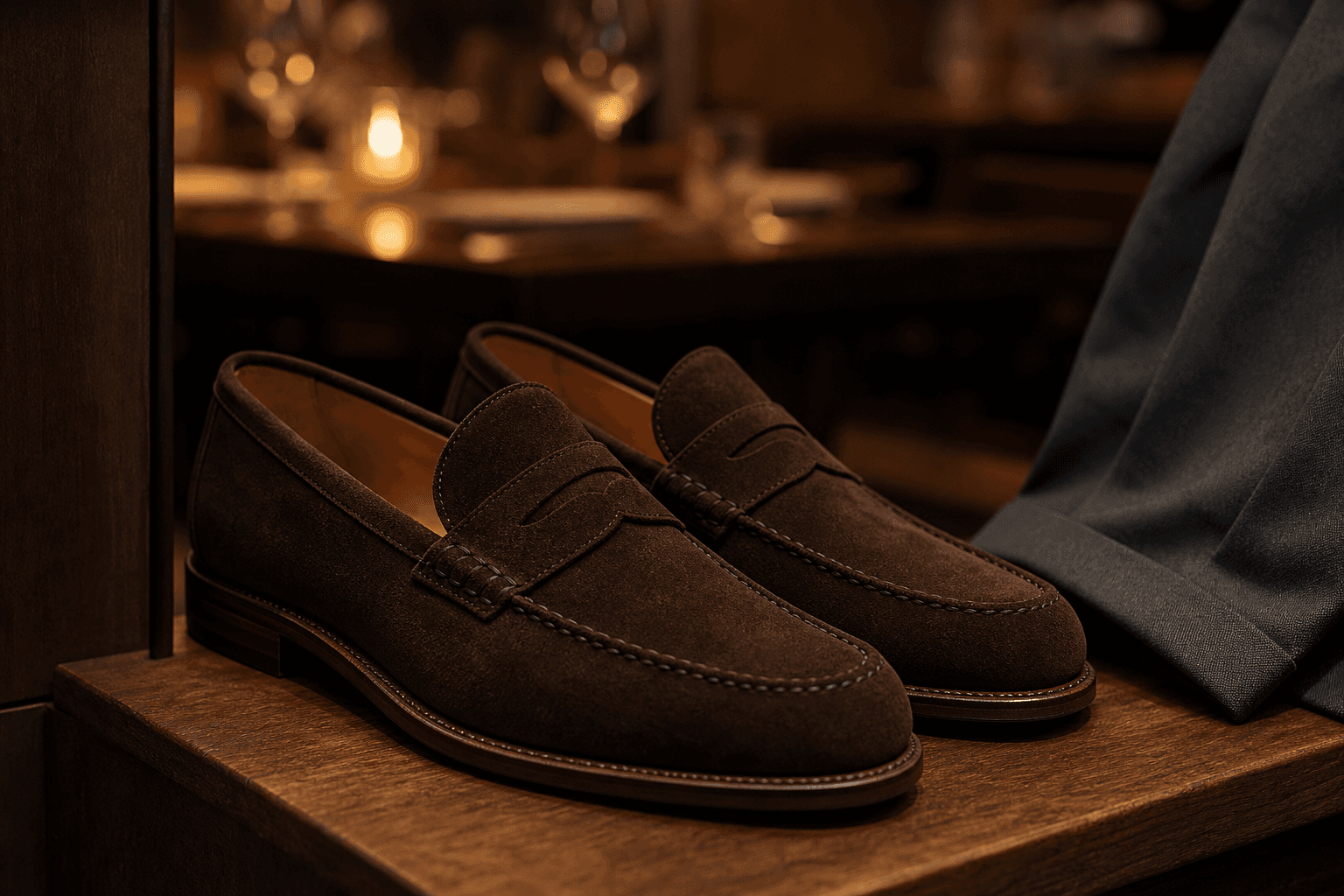
Loafers are useful because they bridge dress shoes and casual footwear. Black leather is dressier. Brown suede is softer. Patent or velvet is more evening-specific.
Category: Footwear
Type: penny loafer / tassel loafer / Belgian loafer
Best colors: black, brown, burgundy, dark suede
Material: leather, suede
Formality: smart casual, cocktail, summer formal depending on style
Oxfords, Derbies, and Dress Boots
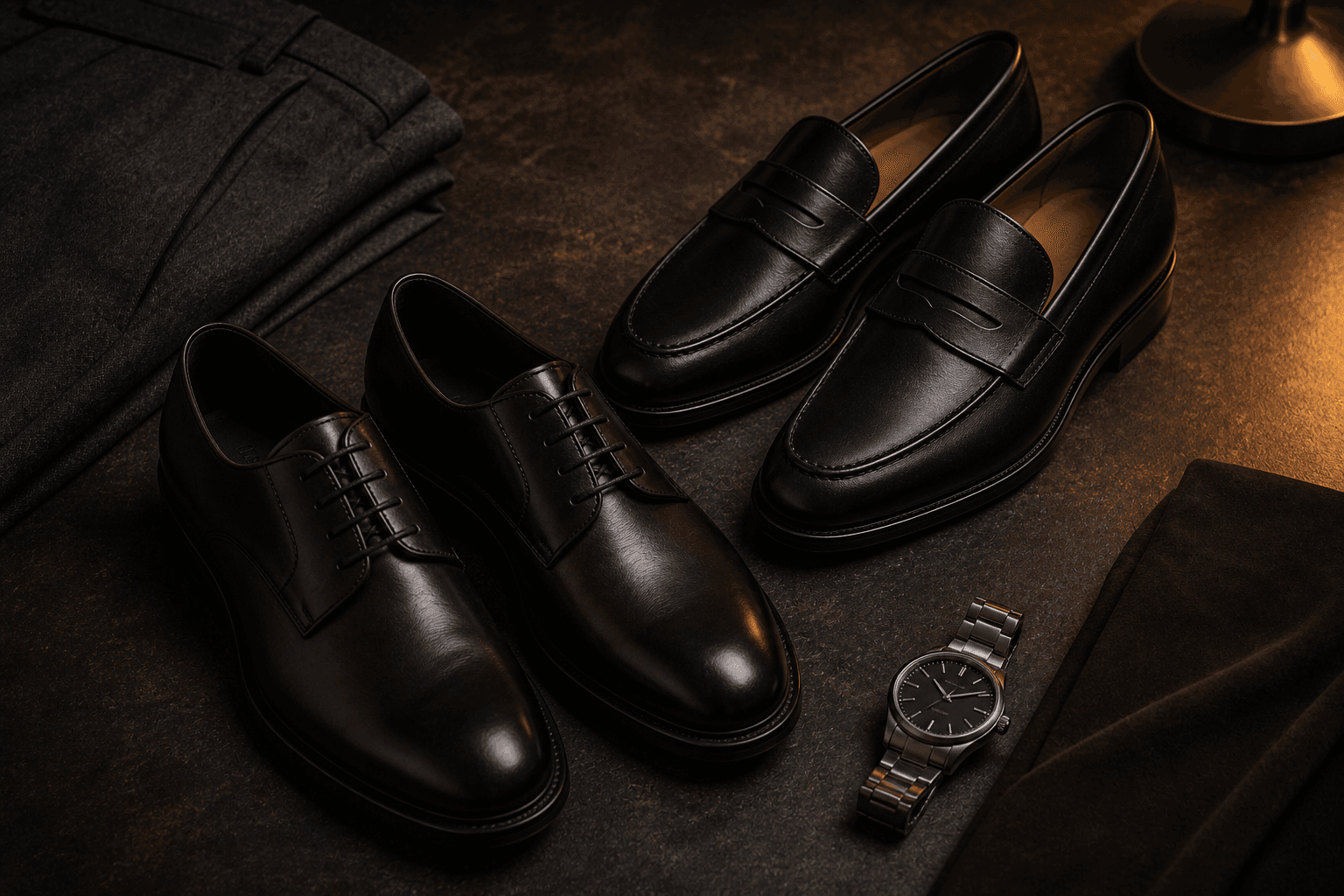
Oxfords are cleanest for formal suits. Derbies are slightly more relaxed. Dress boots work well with winter tailoring and heavier fabrics.
Category: Footwear
Type: oxford / derby / Chelsea boot / lace-up boot
Best colors: black, dark brown, oxblood
Material: calf leather, suede, polished leather
Season: year-round, boots for fall/winter
Tie, Pocket Square, Belt, and Watch
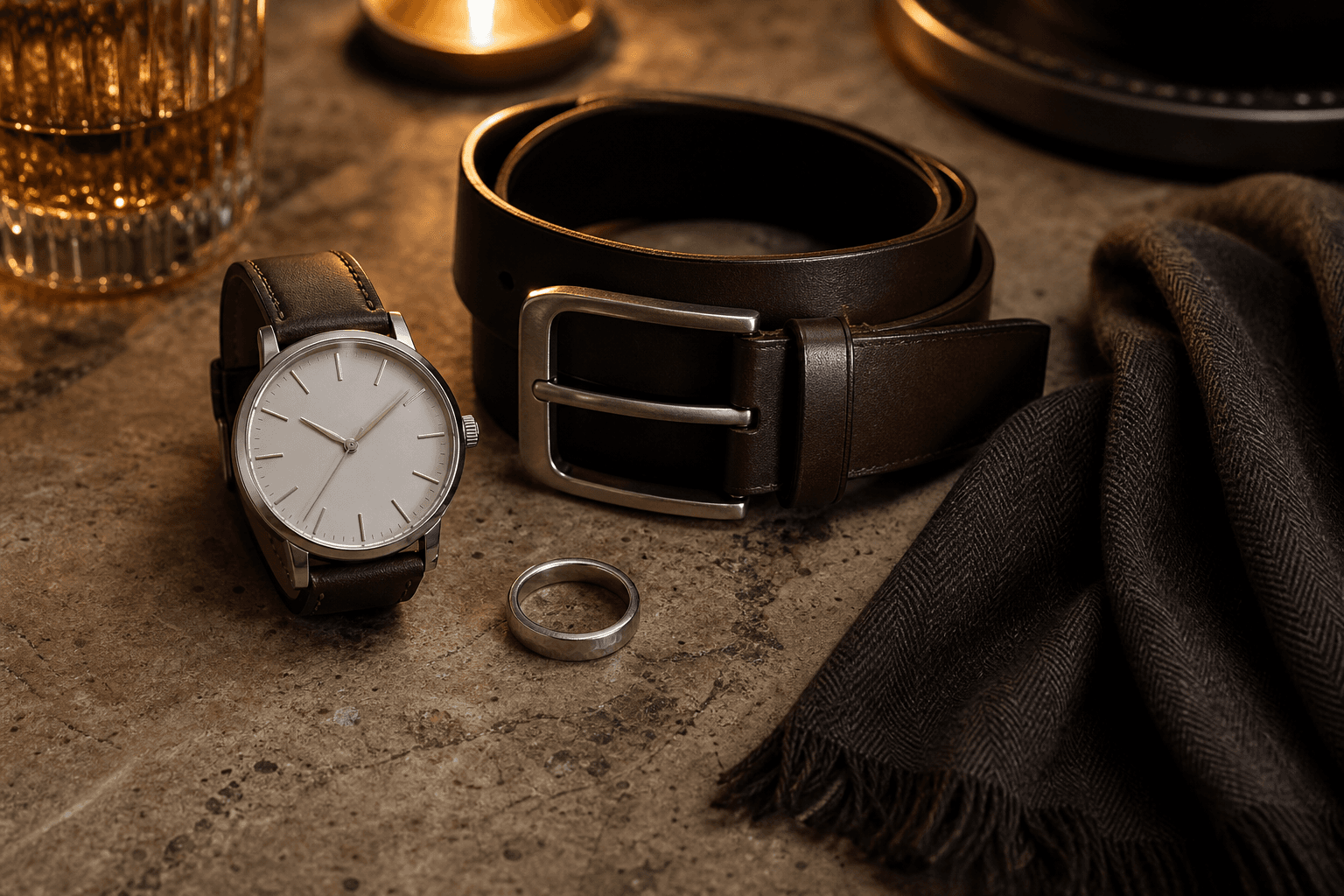
Accessories should finish the outfit, not become the outfit. Avoid matching tie and pocket square sets. Use one interesting accessory at a time.
Category: Accessory
Type: tie / pocket square / belt / watch
Best colors: navy, burgundy, forest, charcoal, cream, muted pattern
Material: silk, wool, linen, leather, metal
Pattern: solid, stripe, small print, subtle texture
Outfit Formulas
Use these as templates. Swap color, fabric, and shoe weight based on the dress code, venue, season, and time of day.
Classic Wedding Guest
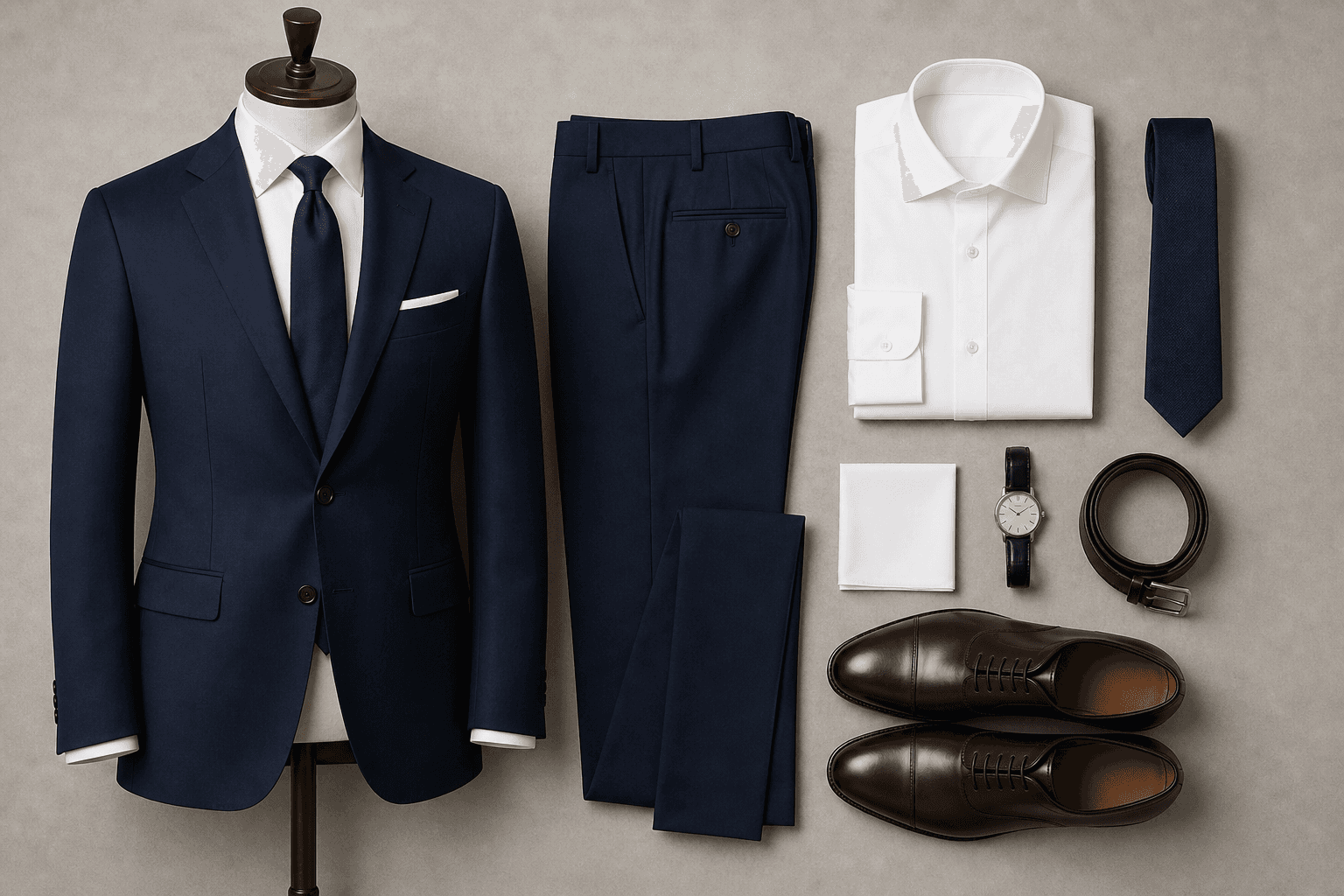
This works for most traditional weddings where the dress code says cocktail, formal, or semi-formal. The navy suit is respectful, the white shirt keeps it clean, and the dark tie adds enough ceremony.
Formula: navy suit + white shirt + burgundy or dark green tie + black or dark brown oxfords
Modera tags: wedding_formal, classic, polished, navy, wool, formal
Summer Outdoor Wedding
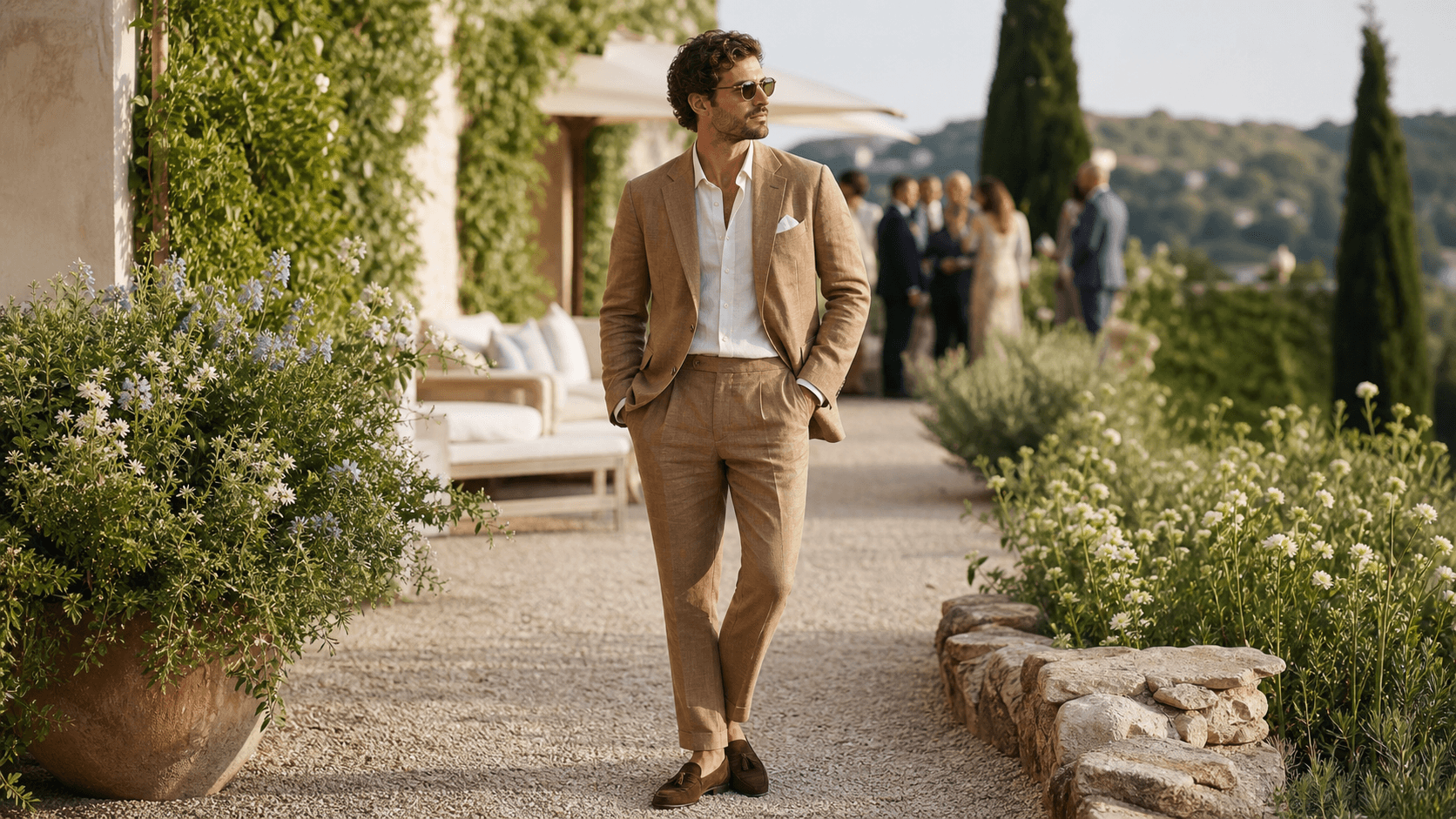
The suit should be breathable but not flimsy. Keep accessories quiet. A tie may be optional depending on the dress code, but the shirt collar must hold shape.
Formula: tobacco linen suit + white or cream shirt + suede loafers + minimal pocket square
Best palette: tobacco, cream, brown, olive, light blue
Black Tie Wedding
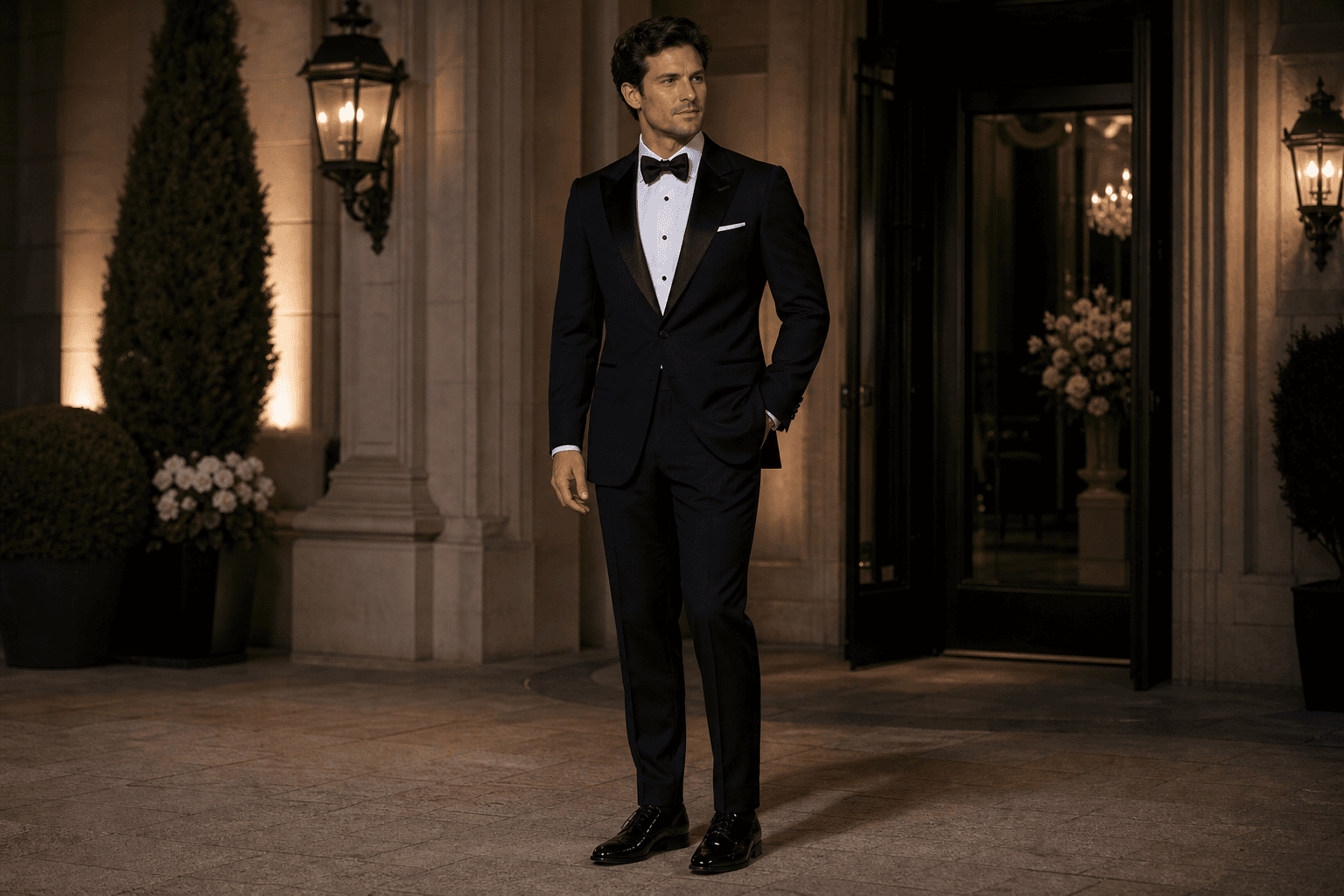
Do not improvise too much. Black tie is already a complete visual system. The personal expression comes from fit, grooming, watch choice, and subtle fabric quality.
Formula: black or midnight tuxedo + formal white shirt + black bow tie + black patent or polished oxfords
Avoid: black business suit, long tie, casual loafers, colorful pocket square
Rehearsal Dinner
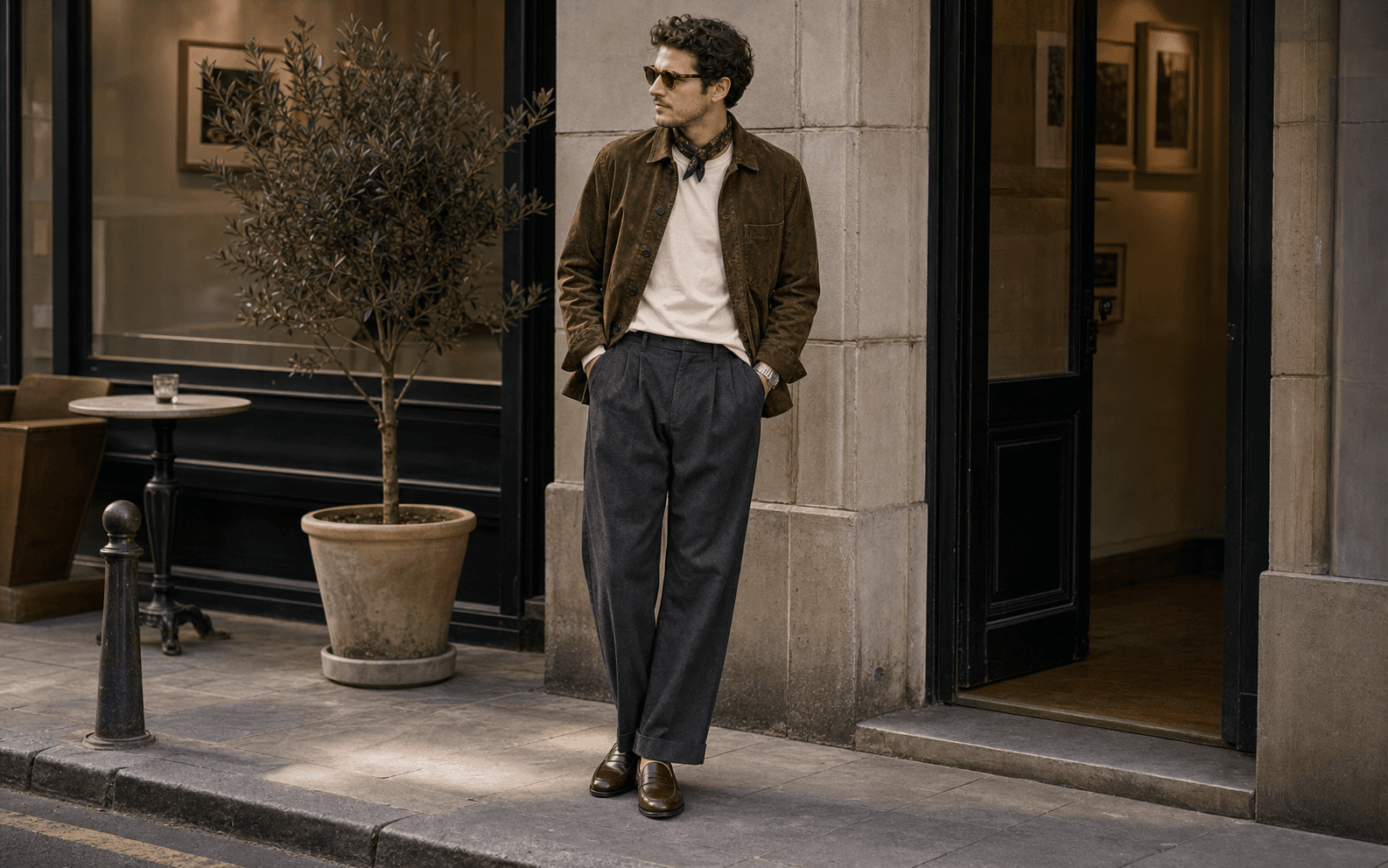
This is polished without looking like the main event. The sport coat should have texture, not a corporate suit finish. The cream trouser makes it feel social rather than office-coded.
Formula: navy sport coat + cream trousers + light blue shirt + brown loafers
Modera tags: date_dinner, smart_casual, polished, summer/fall
City Cocktail Event
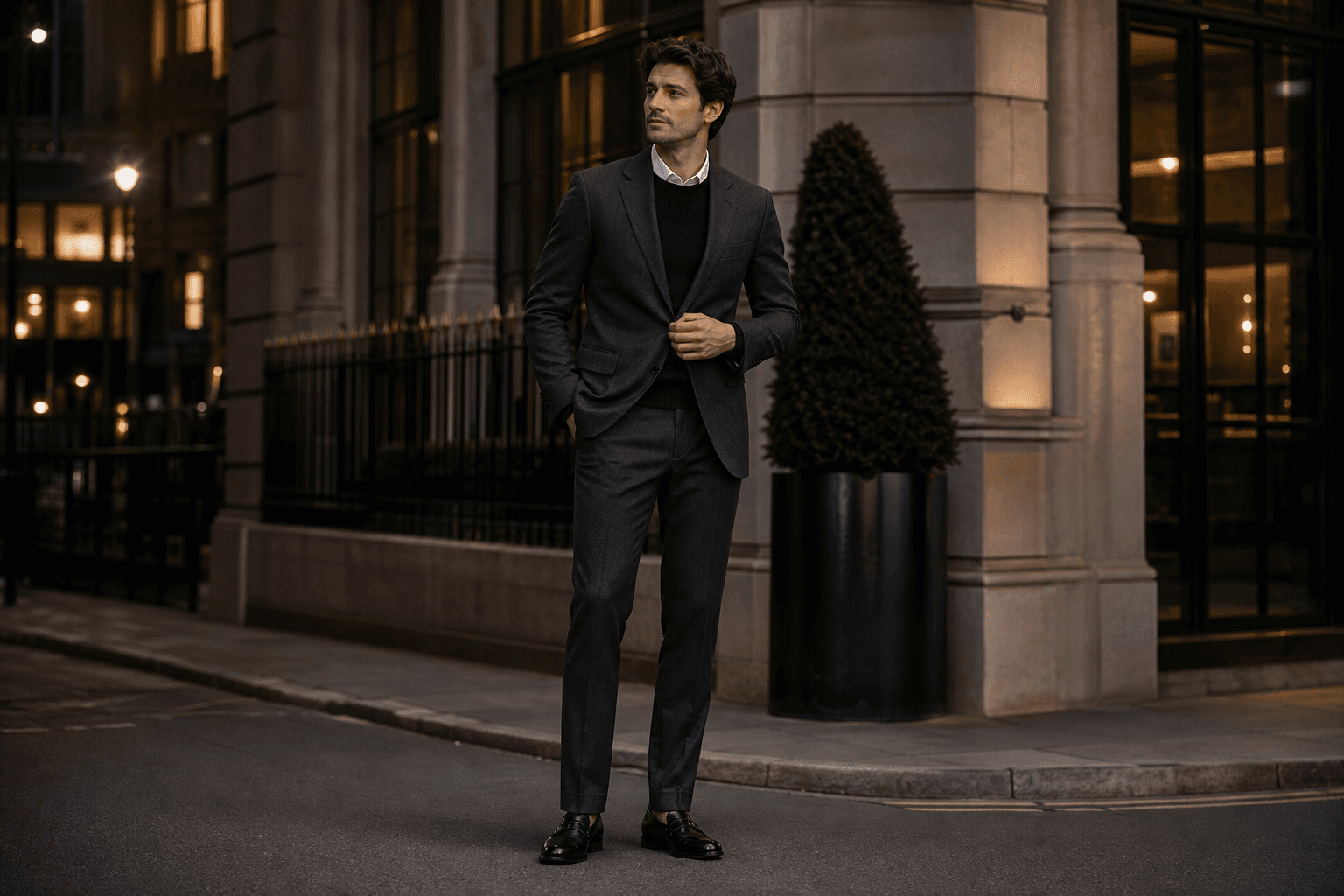
For evening city events, reduce contrast and increase texture. A black fine-gauge knit under a charcoal suit can look sharp if the event is cocktail but not strictly formal.
Formula: charcoal suit + black knit or white shirt + black loafers or oxfords
Winter Wedding Guest
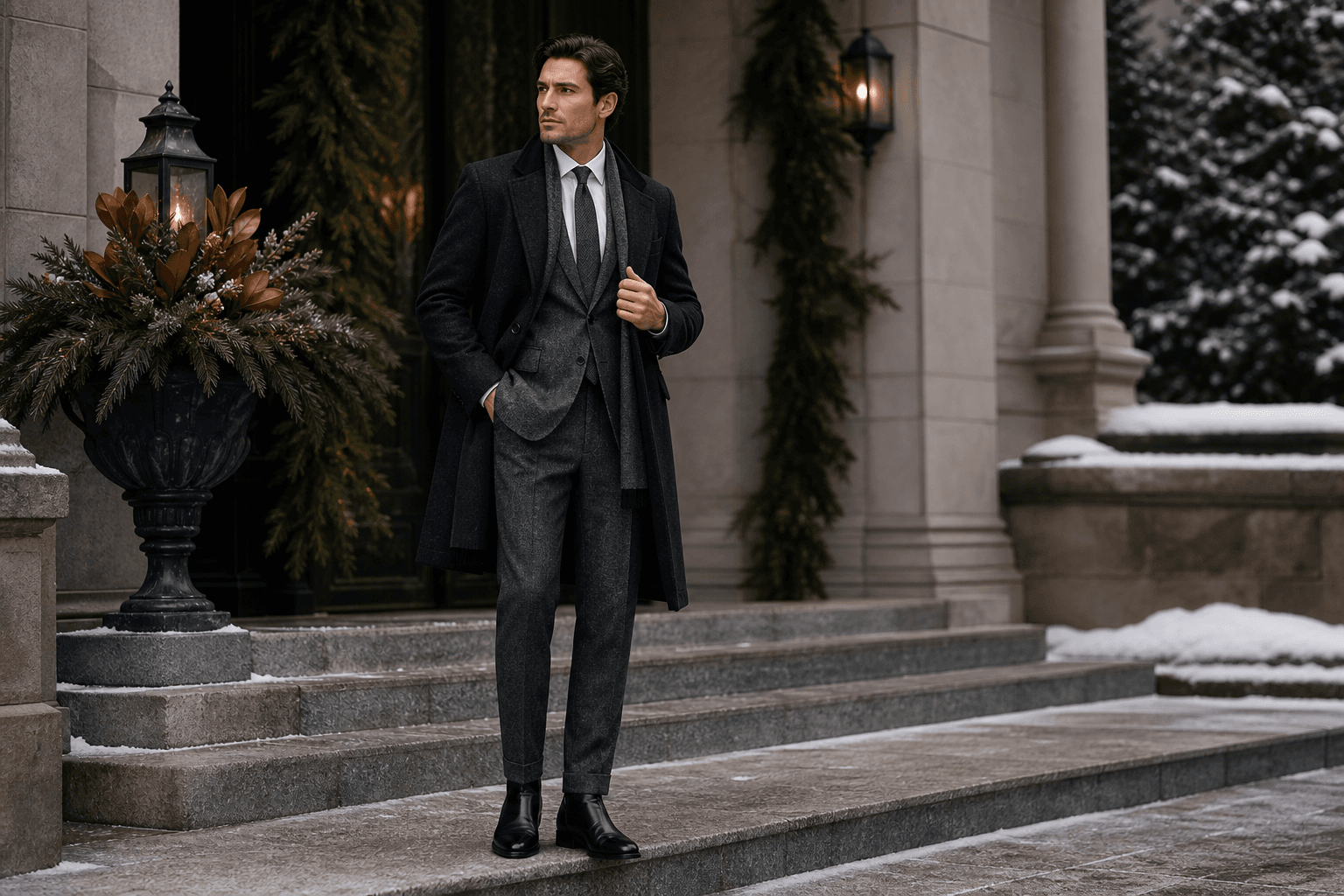
Winter formalwear needs fabric weight. A lightweight navy suit can look weak in cold weather. Flannel, wool ties, cashmere scarves, leather boots, and a real overcoat create the right seasonal density.
Formula: charcoal flannel suit + white shirt + wool tie + black dress boots + dark overcoat
Beach or Destination Wedding
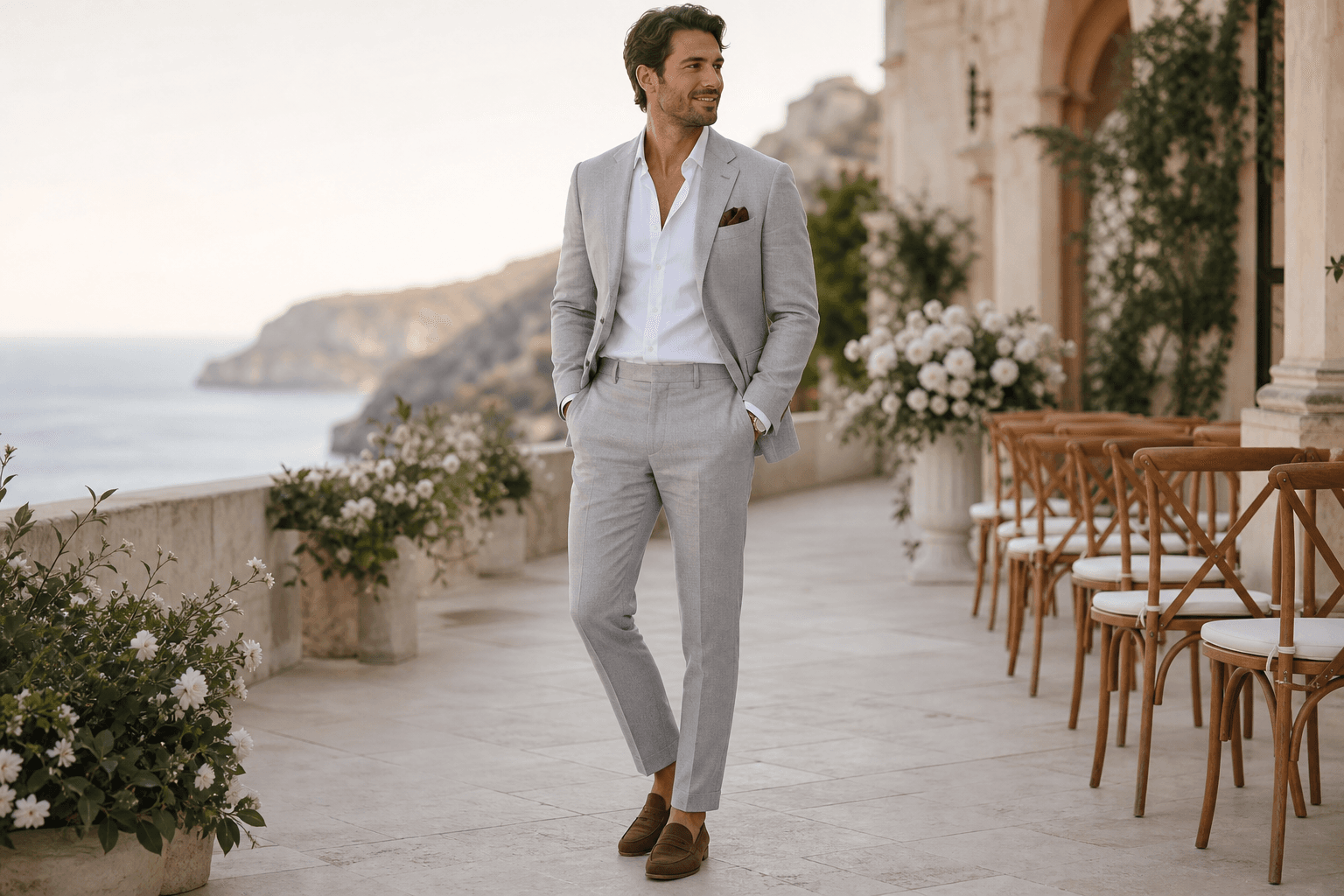
This only works if the invitation allows it. A beach setting does not automatically mean casual. Avoid shorts unless explicitly requested. Avoid sandals unless the dress code is truly relaxed.
Formula: light gray or stone suit + open-collar white shirt + loafers or clean espadrille-adjacent dress shoe
Budget Version
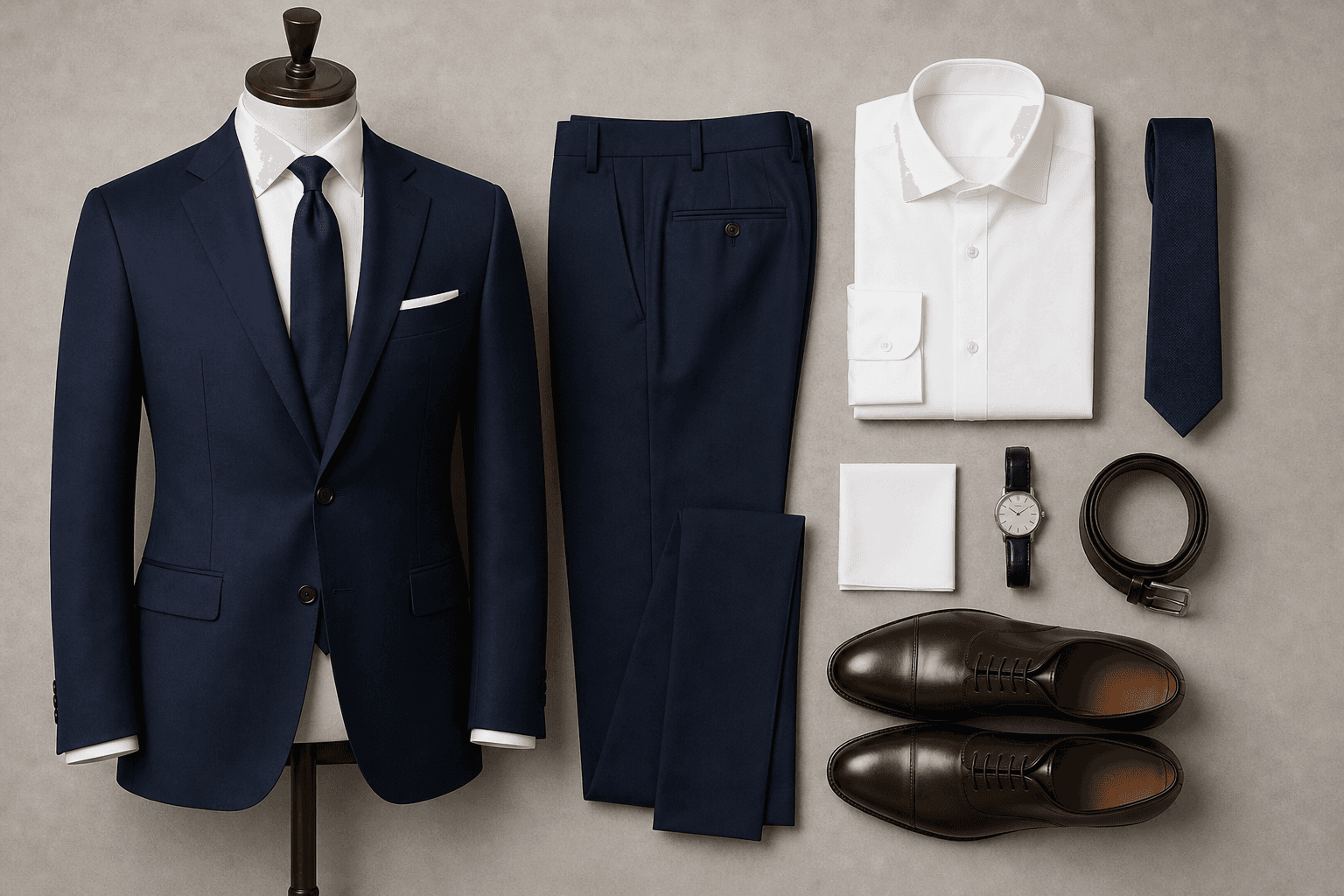
Spend first on tailoring and shoes. A moderately priced suit that fits cleanly will beat an expensive suit with bad sleeve length, collapsed shoulders, or trousers pooling over the shoe.
Formula: navy suit + white shirt + dark tie + polished black or brown shoes
Elevated Version
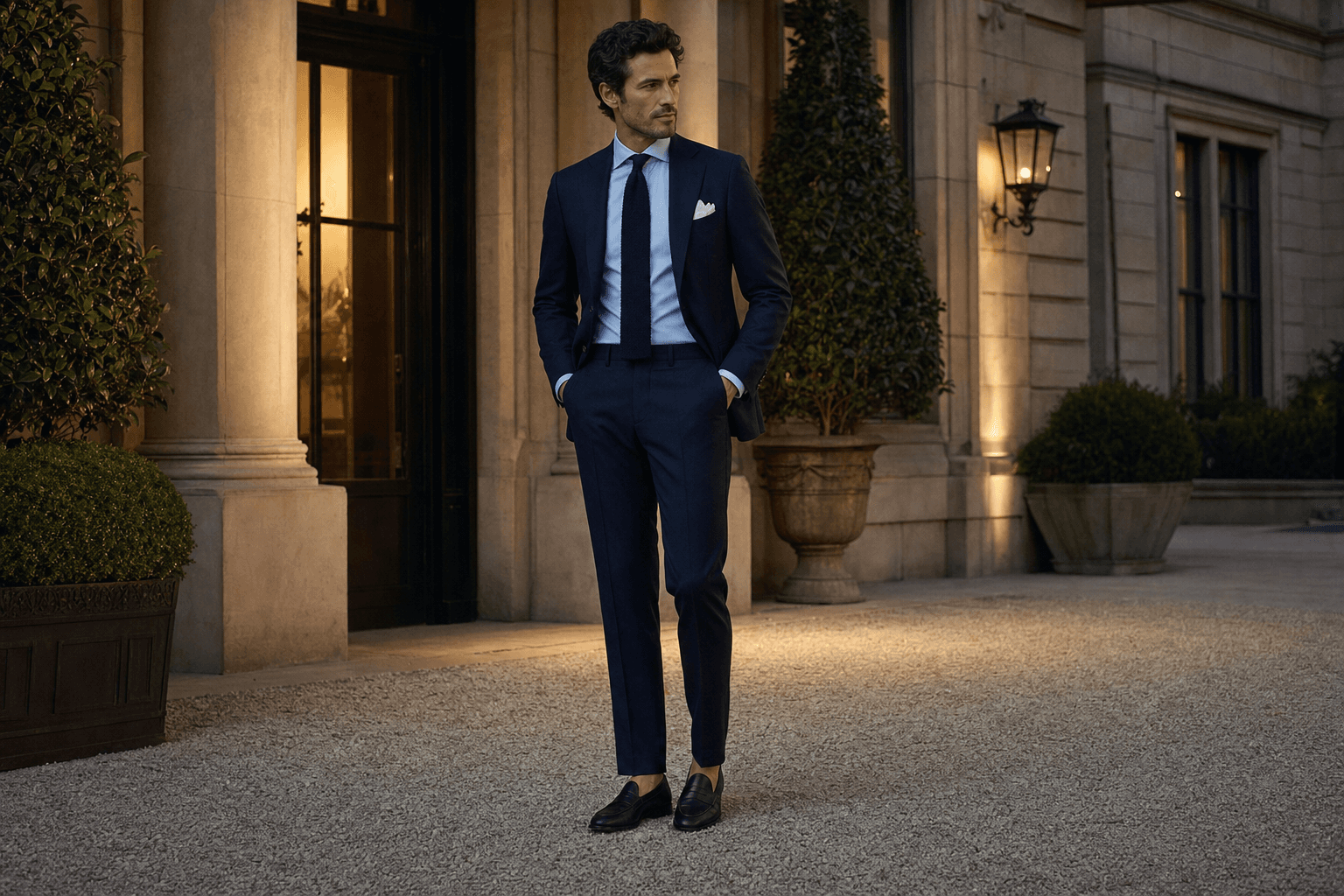
The elevated version is not louder. It is quieter and better proportioned. A midnight navy suit has evening depth; a silk knit tie adds texture; black loafers keep it modern.
Formula: midnight navy suit + pale blue shirt + silk knit tie + black loafers + white linen pocket square
Wrong But Interesting
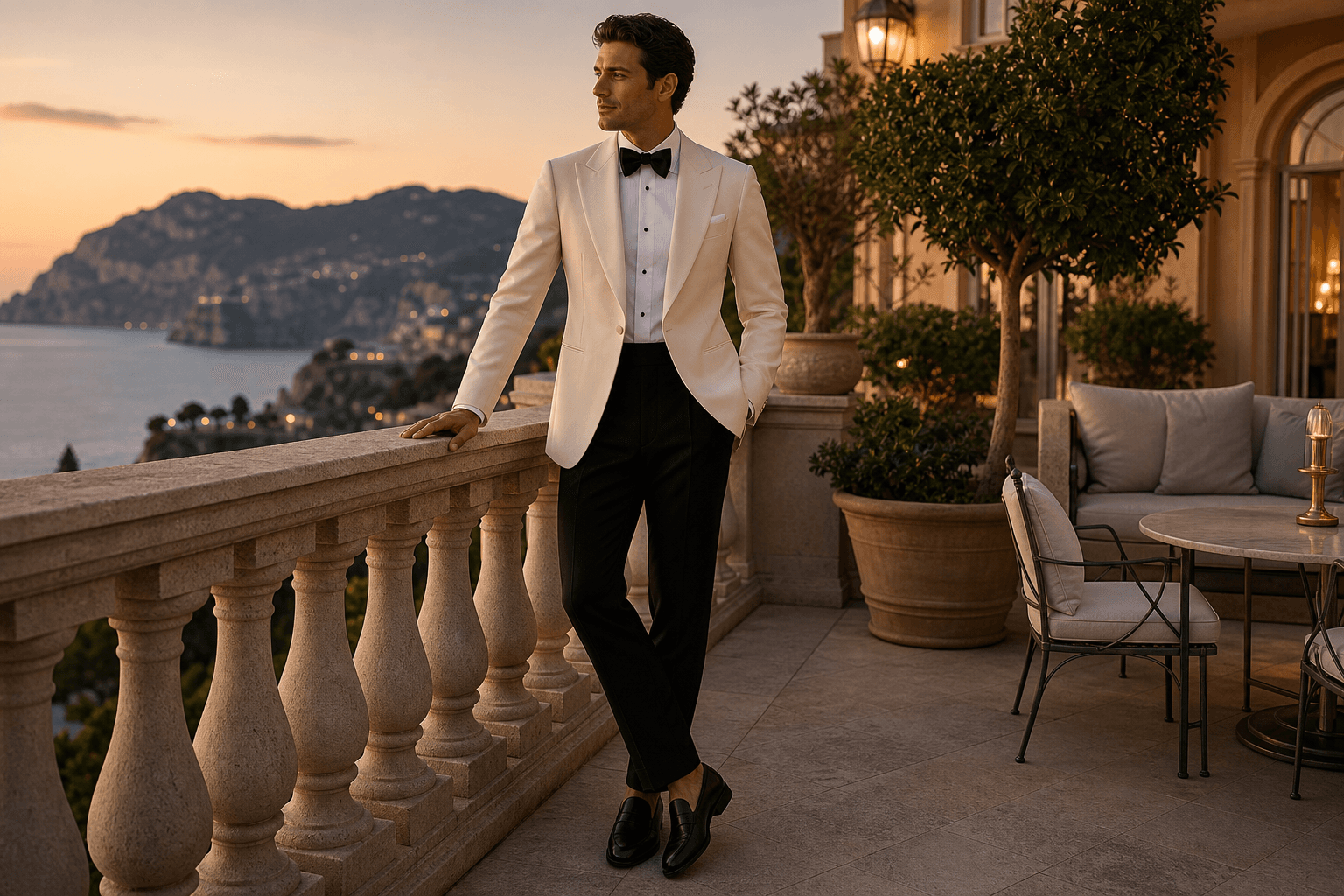
This works at summer black-tie-adjacent events, destination weddings, or warm-weather formal parties. It does not work for every black tie invitation. The key is confidence without novelty: no colored bow tie, no loud pocket square, no playful socks.
Formula: cream dinner jacket + black trousers + black bow tie + black Belgian loafers
Color and Fabric Logic
Formalwear color is about context.
Safe Formal Colors
- Navy
- Midnight blue
- Charcoal
- Black for tuxedos and evening-specific contexts
- White and light blue shirts
- Dark brown, oxblood, and black shoes
Seasonal Colors
- Spring: light gray, navy, pale blue, cream
- Summer: stone, tan, tobacco, olive, pale gray
- Fall: brown, charcoal, forest, burgundy, navy
- Winter: charcoal, black, midnight, dark brown, deep green
Fabric Rules
- Wool is the default formal fabric.
- Linen and cotton work best in heat but need good tailoring.
- Flannel, tweed, corduroy, and heavier wool work in cold weather.
- Silk and satin details belong in formal evening wear.
- Suede softens an outfit; polished leather sharpens it.
The easiest way to avoid looking corporate is to add texture: hopsack instead of flat worsted, linen instead of shiny cotton, wool tie instead of glossy silk, suede loafers instead of office derbies.
Fit and Proportion Rules
Rule 1: The Shoulder Sets the Tone
A jacket shoulder should sit cleanly. If it droops, the suit looks tired. If it pulls, the suit looks too small. Tailoring can fix many things, but not a fundamentally wrong shoulder.
Rule 2: Sleeve and Trouser Length Matter
Show a small amount of shirt cuff. Let trousers break cleanly over the shoe. Cropped trousers can work with loafers in summer, but too-short pants make formalwear look trendy rather than refined.
Rule 3: Avoid Overly Skinny Formalwear
Slim tailoring can still work, but tight tailoring looks dated and uncomfortable. You should be able to sit, move, and dance without the jacket pulling across the chest or trousers clinging to the thigh.
Rule 4: Match Shoe Formality to Fabric
Fine wool suits want cleaner shoes. Linen suits can take suede loafers. Flannel suits can take dress boots. Tuxedos need formal black shoes.
Rule 5: Outerwear Counts
A good suit under a bad jacket still looks bad. For cold events, wear a dark overcoat, wool topcoat, or clean dress coat. Avoid technical puffers over formalwear unless weather makes it unavoidable.
Common Mistakes
Mistake 1: Treating a Black Suit Like a Tuxedo
A black suit is not black tie. If the event requires a tuxedo, wear a tuxedo. If it does not, navy or charcoal is often more versatile and flattering than black.
Mistake 2: Ignoring the Venue
A ballroom, beach, vineyard, courthouse, hotel, rooftop, and backyard all ask for different levels of polish. The invitation gives the floor; the venue gives the nuance.
Mistake 3: Wearing Office Shoes to a Social Event
Bulky square-toe shoes or tired work derbies drag down a suit. Formalwear depends heavily on footwear. Keep shoes polished, shaped, and appropriate.
Mistake 4: Matching Accessories Too Literally
Matching tie, pocket square, socks, and boutonniere-adjacent colors looks amateur. Accessories should coordinate, not duplicate.
Mistake 5: Overcorrecting Into Costume
Vintage tuxedo, velvet jacket, western boot, silk scarf, lapel flower, and jewelry can all work individually. Together, they can become theater. Pick one expressive move.
Mistake 6: Forgetting the Couple
Wedding guest style is not about being the most memorable man in the room. Dress well, but stay within the dress code. Never compete with the wedding party.
FAQ
What should men wear to a wedding?
Start with the dress code. For most weddings, a navy or charcoal suit, white or light blue shirt, tie, and polished dress shoes will work. Adjust fabric and color based on season, venue, and time of day.
Can men wear loafers to a wedding?
Yes, depending on the formality. Leather loafers can work for cocktail and summer weddings. Suede loafers work well with linen and relaxed tailoring. For black tie or highly formal events, oxfords are usually safer.
Is a black suit acceptable for a wedding?
Sometimes, especially for evening events, but navy and charcoal are often more versatile. A black suit is not a tuxedo and should not be used as a substitute for black tie.
What should men wear to a summer wedding?
A lightweight wool, linen, cotton, or wool-linen suit in navy, tan, stone, light gray, or olive can work well. Keep the shirt crisp, shoes polished, and accessories restrained.
How can formalwear look less corporate?
Use texture, softer tailoring, seasonal fabrics, and social accessories. A hopsack blazer, linen suit, suede loafer, knit tie, or relaxed trouser can make tailoring feel less office-coded while still looking polished.