The New Office Wardrobe
How to dress for hybrid work without looking corporate, careless, or stuck between both.
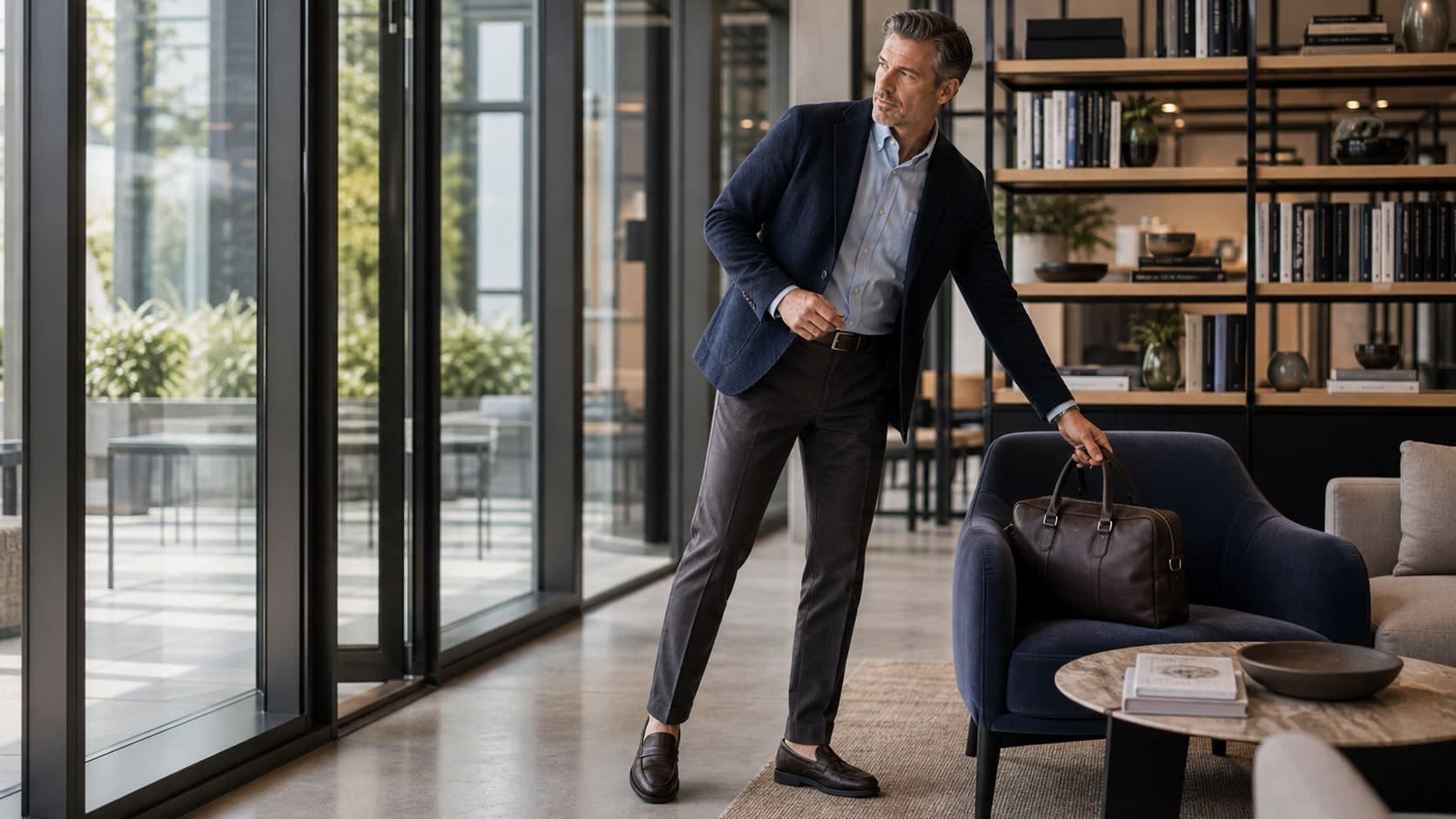
The modern office wardrobe is not business casual with the tie removed. It is also not weekend clothing that happens to be worn near a laptop. The new version sits in the middle: comfortable enough for hybrid work, sharp enough for meetings, and relaxed enough to avoid looking like you dressed from an old corporate handbook.
That middle ground is difficult because the old rules were clearer. Suit meant formal. Shirt and chinos meant business casual. Hoodie meant casual. Now the same office might contain chore coats, fleece, caps, loafers, sneakers, merino knits, technical bags, and soft tailoring. The question is no longer “Is this office appropriate?” It is “Does this outfit look intentional in a work setting?”
A strong office wardrobe solves that by building around shape, texture, and restraint. You do not need to look formal every day. You need clothes that make casual pieces feel considered and polished pieces feel current.
What the New Office Wardrobe Is — and What It Is Not
The new office wardrobe is a practical system for work that acknowledges how men actually dress now: commuting, sitting, walking, taking video calls, meeting clients, going to dinner after work, and working in offices where the dress code is often implied rather than written.
| It is: | It is not: |
|---|---|
|
|
GQ’s office style coverage points to a broader shift in office dressing: comfortable shoes, caps, fleece, and improved casual staples are now part of the conversation, not automatically outside it. GQ’s broader essentials coverage also keeps returning to the same practical foundation: denim, loafers, knitwear, outerwear, and better casual pieces that can move across contexts. [GQ Office 2026] [GQ Wardrobe Essentials]
The Core Pieces
The best office wardrobe is not large. It is modular. Start with pieces that can move between casual and polished depending on what they are paired with.
Oxford Cloth Button-Down
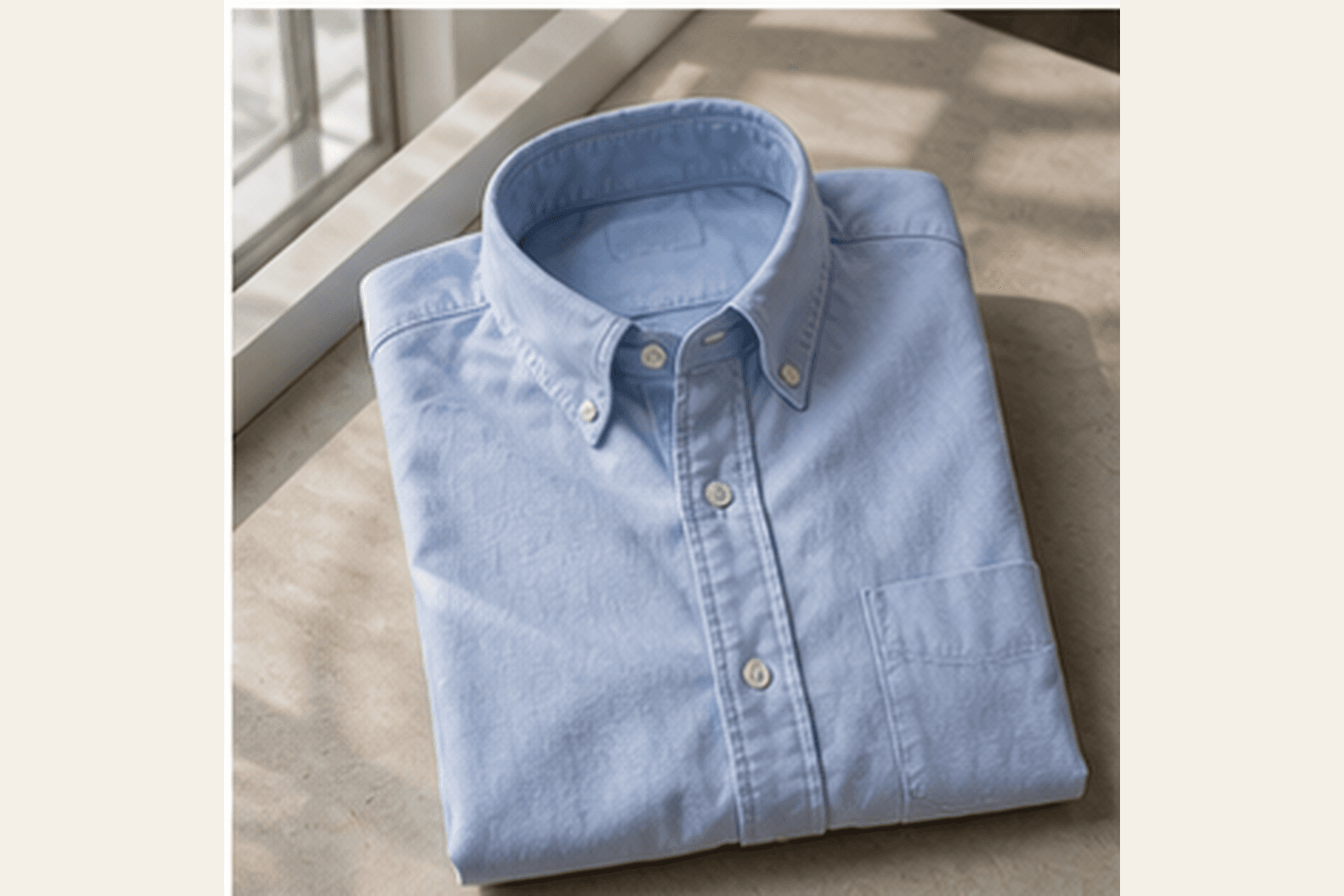
An oxford is still one of the most useful office shirts because it is structured without being stiff. It works tucked into trousers, open over a tee, under a crewneck, or under a chore jacket.
Best colors: white, blue, pale stripe
Knit Polo
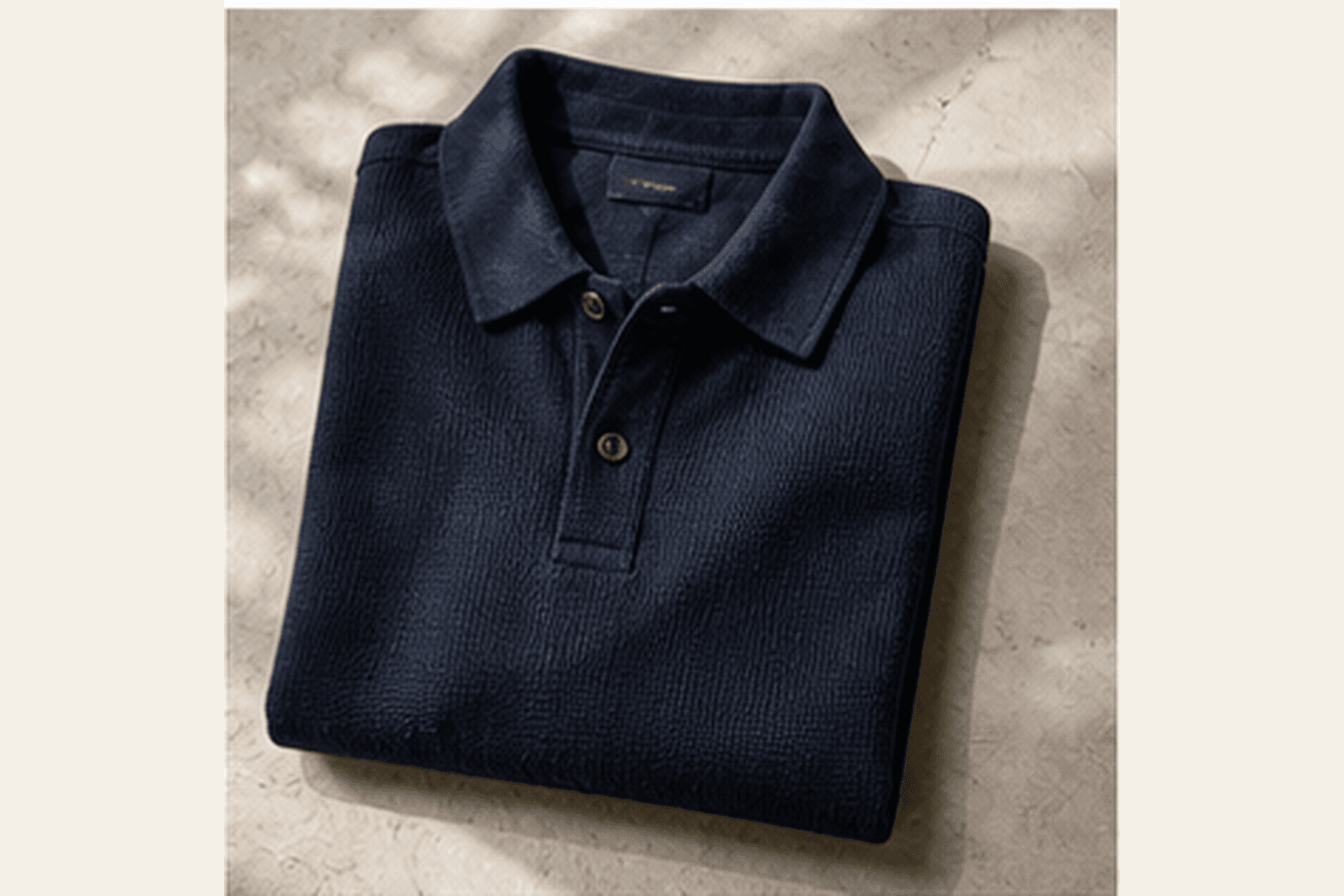
A knit polo gives the office outfit a softer shape than a dress shirt and more polish than a tee. It works especially well under an overshirt, chore jacket, cardigan, or lightweight blazer.
Best colors: navy, black, cream, olive, chocolate, grey
Merino Crewneck or Fine-Gauge Sweater
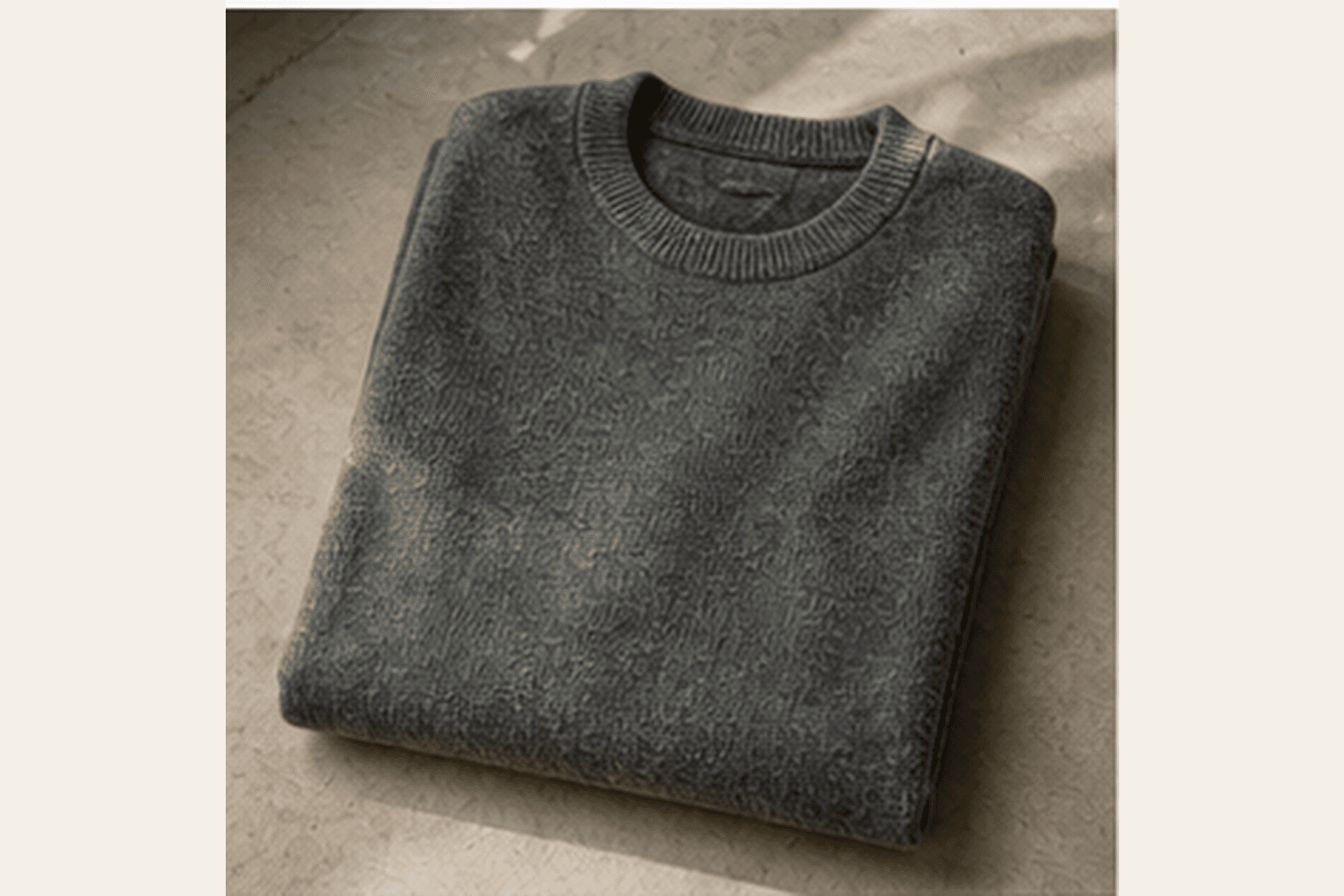
A fine-gauge sweater is the cleanest cold-office layer. It reads polished without becoming formal and makes jeans, chinos, and trousers look more intentional.
Best colors: charcoal, navy, oatmeal, brown, forest green
Better T-Shirt
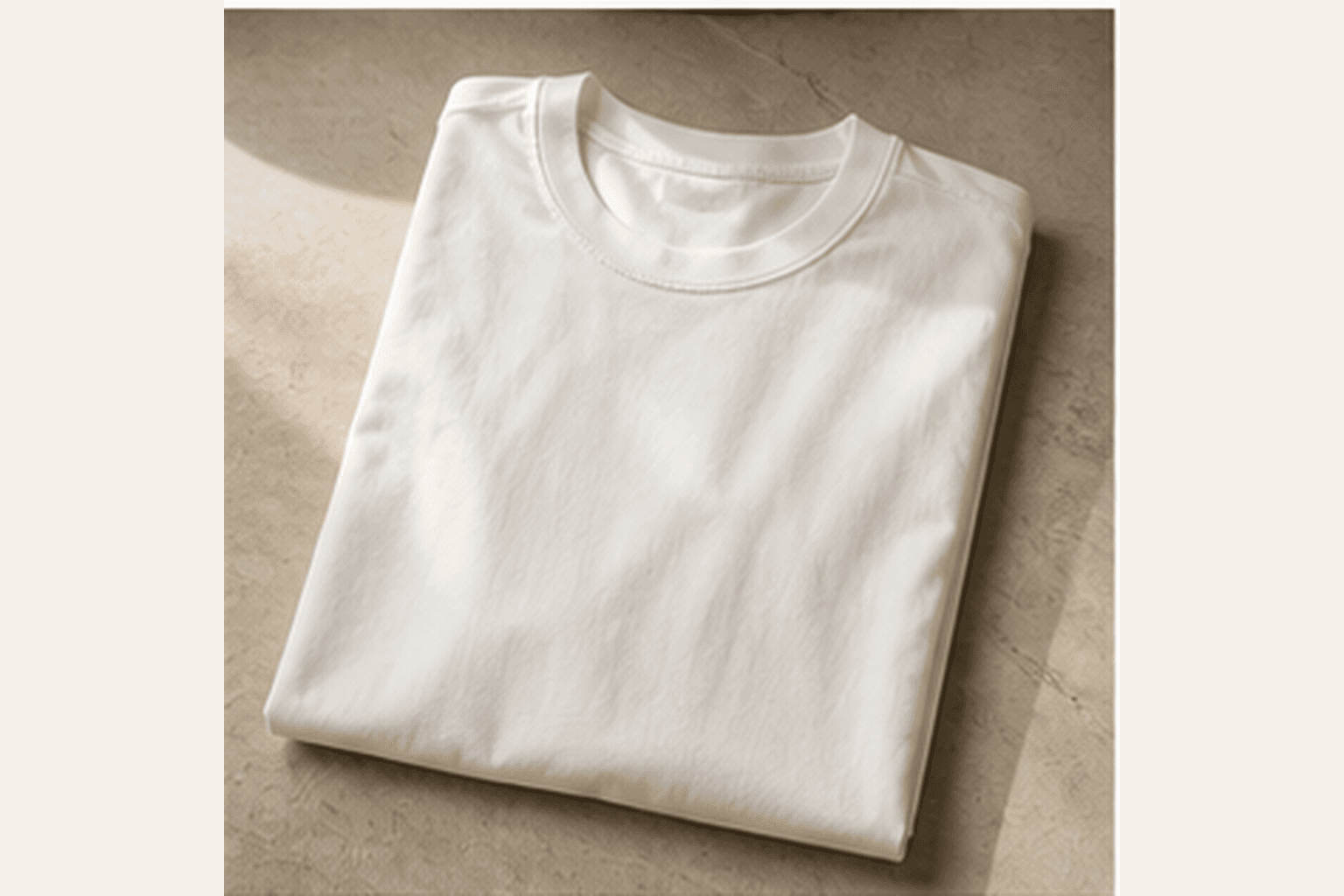
A T-shirt can work in the office only when the rest of the outfit does more work. The tee should be substantial, clean, and well-fitting. Thin, stretched, or graphic-heavy tees usually collapse the outfit.
Best colors: white, black, navy, grey, cream
Overshirt
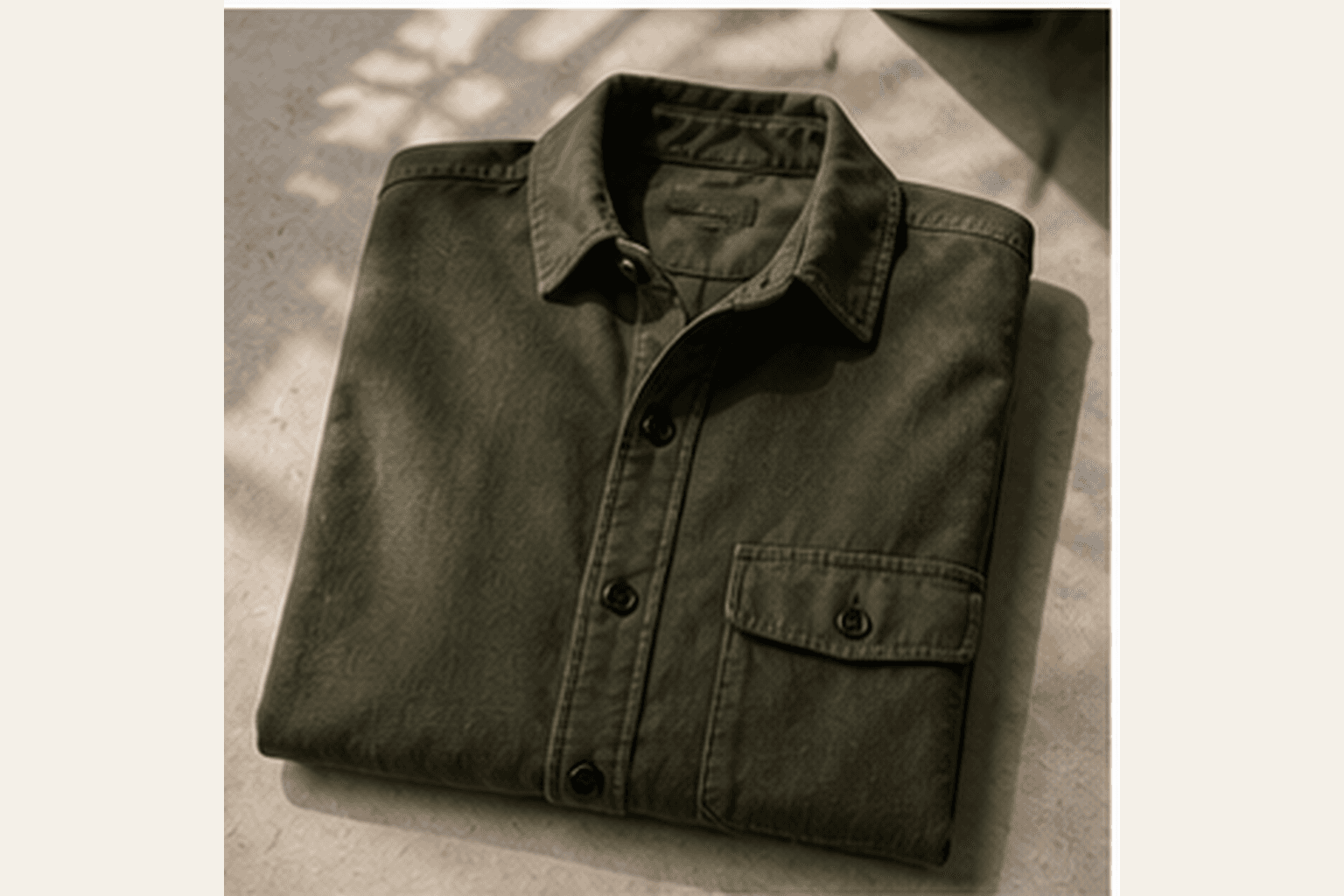
The overshirt is the hybrid-office jacket. It gives shape without the formality of a blazer and works well with tees, oxfords, polos, and knits.
Best materials: cotton twill, wool blend, corduroy, brushed cotton, linen blend
Chore Jacket
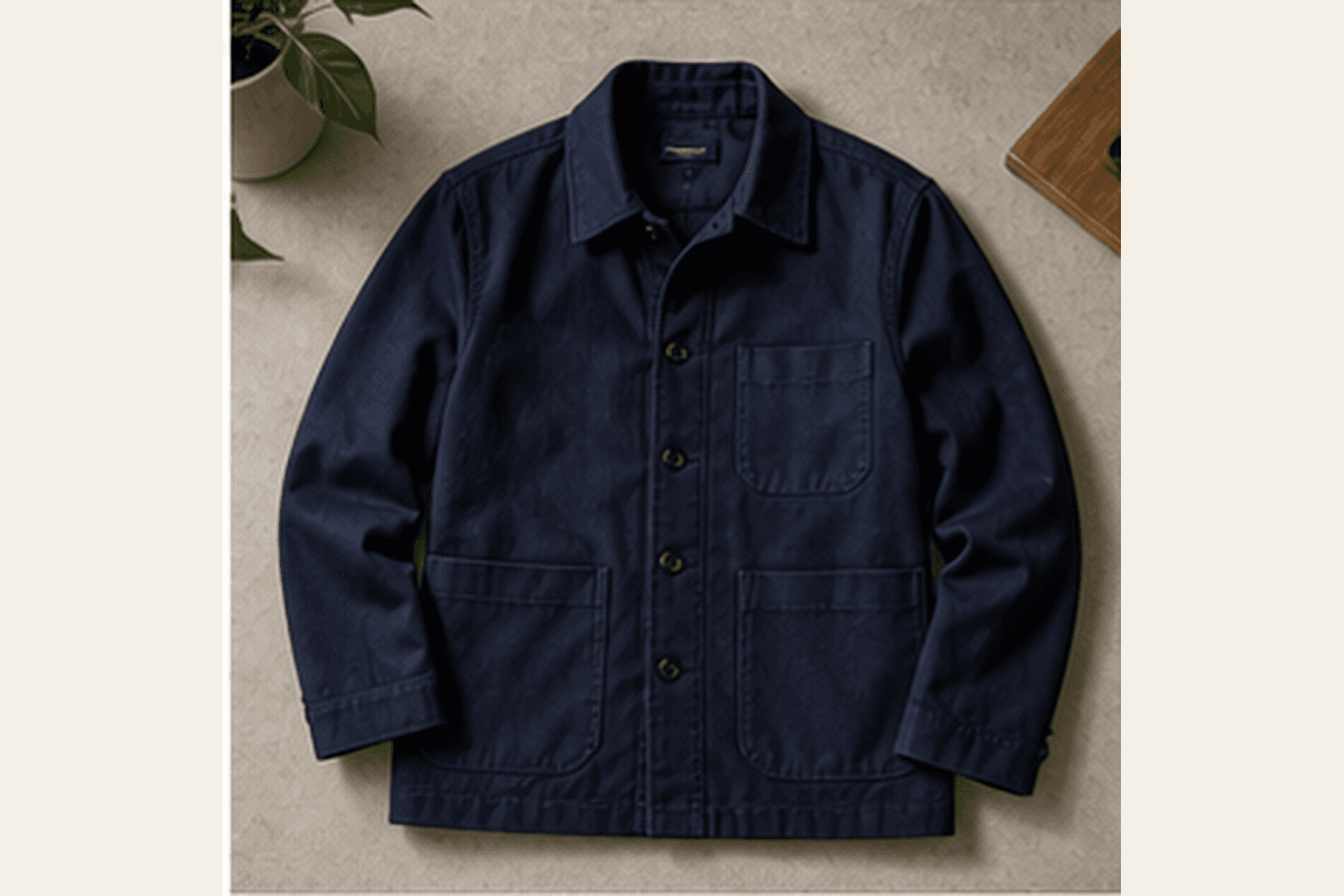
A chore jacket is useful because it creates structure without looking corporate. It is especially strong in navy, olive, tan, brown, or black.
Best colors: navy, olive, tan, brown, black
Unstructured Blazer
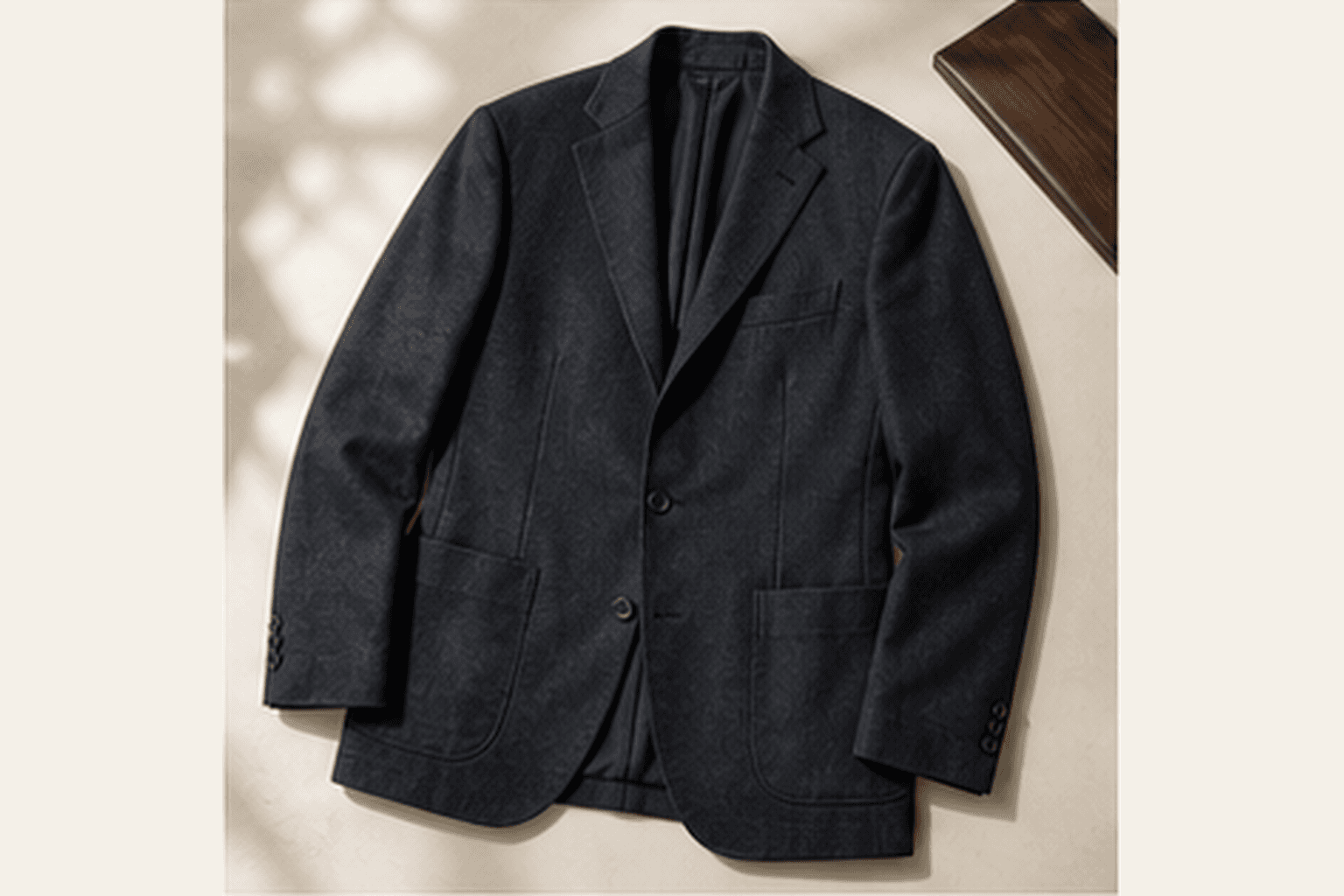
The modern office blazer should not feel like half of a suit. Choose softer shoulders, textured fabric, and enough room to wear over a knit or oxford.
Best colors: navy, charcoal, brown, olive, textured grey
Relaxed Wool Trousers
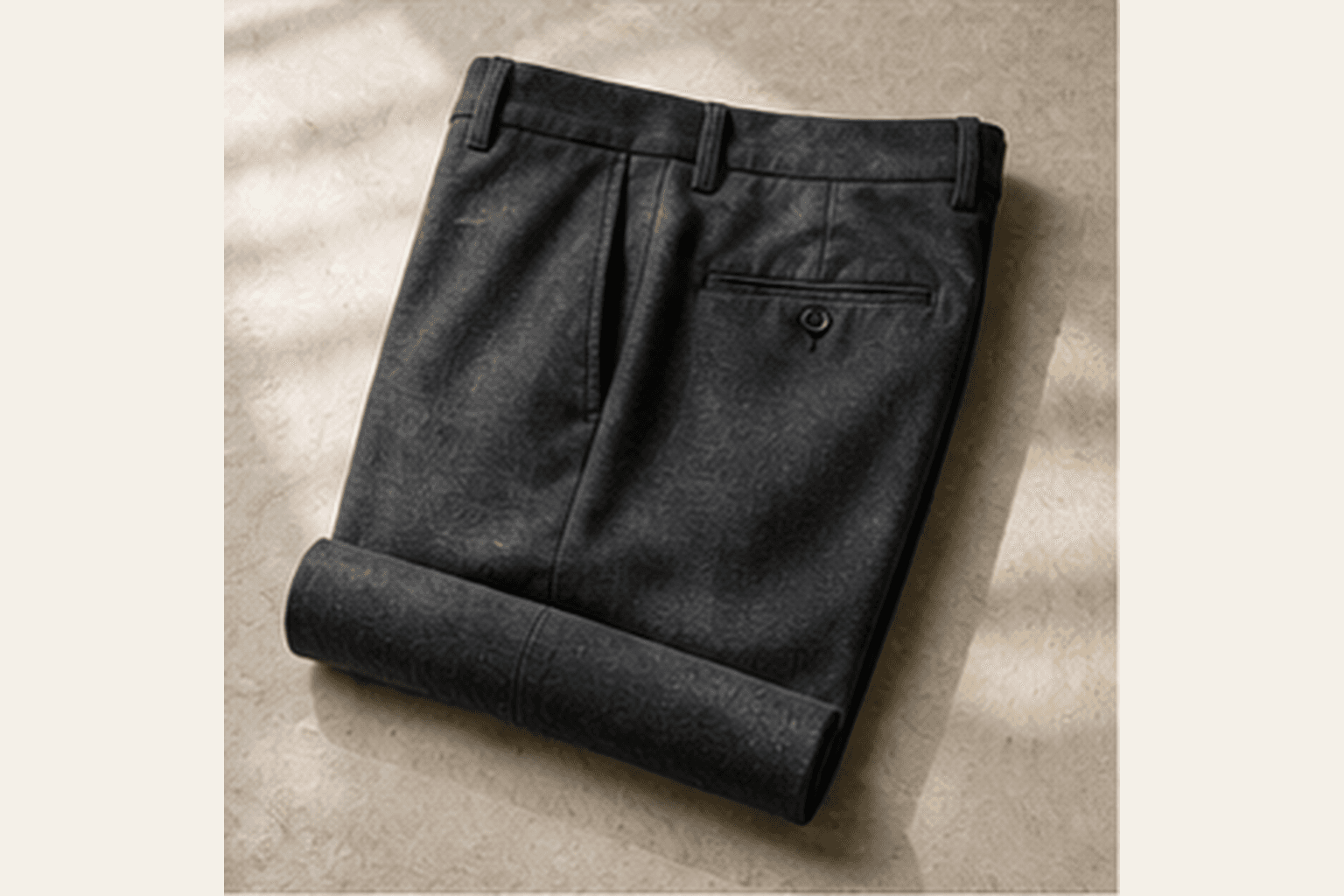
Wool trousers are one of the highest-leverage office pieces. They make casual tops look smarter and let you avoid the old uniform of slim chinos and dress shoes.
Best colors: charcoal, mid-grey, navy, brown
Cotton Trousers or Better Chinos
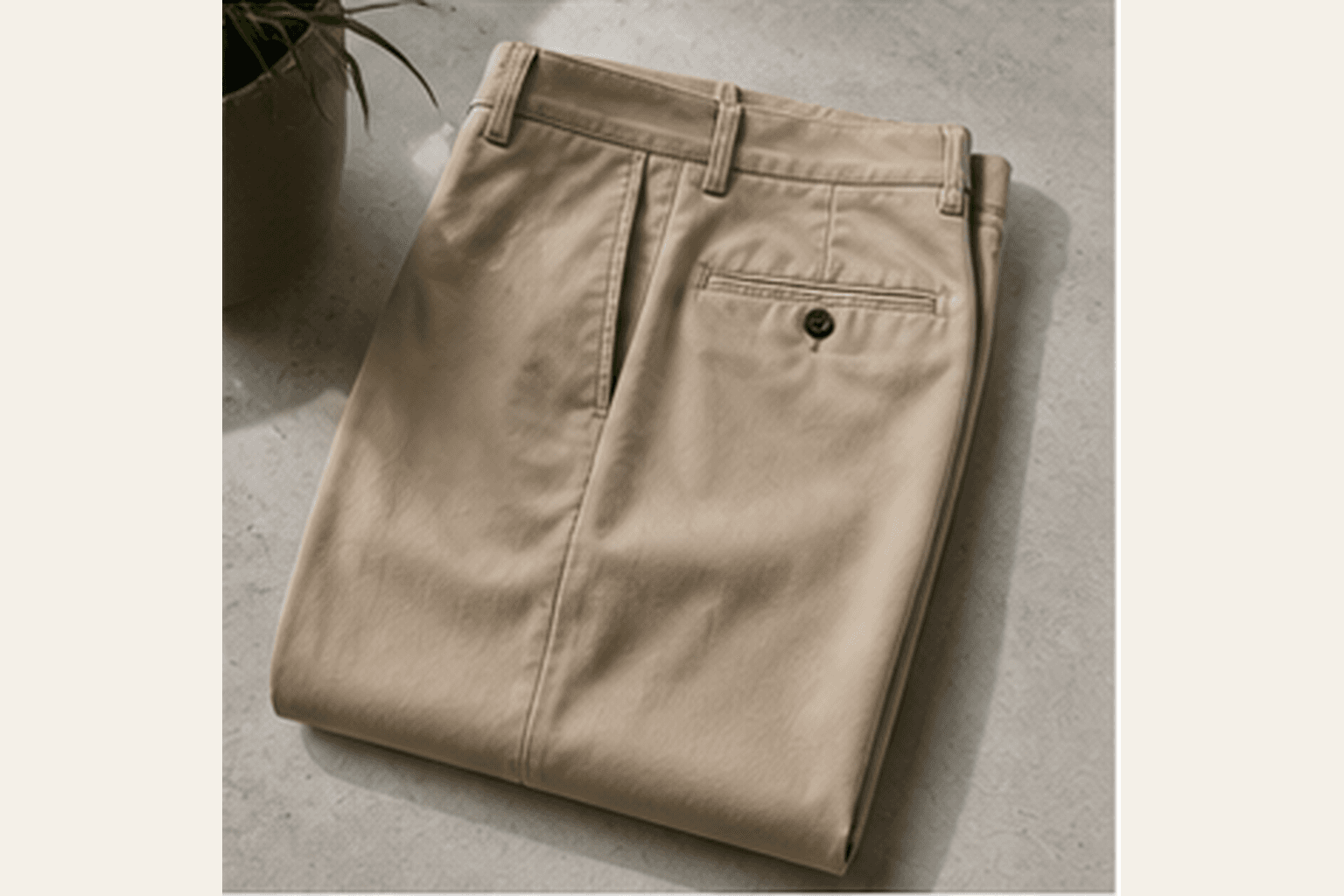
Chinos still work, but the silhouette needs updating. A straight or slightly relaxed fit usually looks more current than narrow office khakis.
Best colors: stone, olive, navy, tobacco, charcoal
Dark Jeans
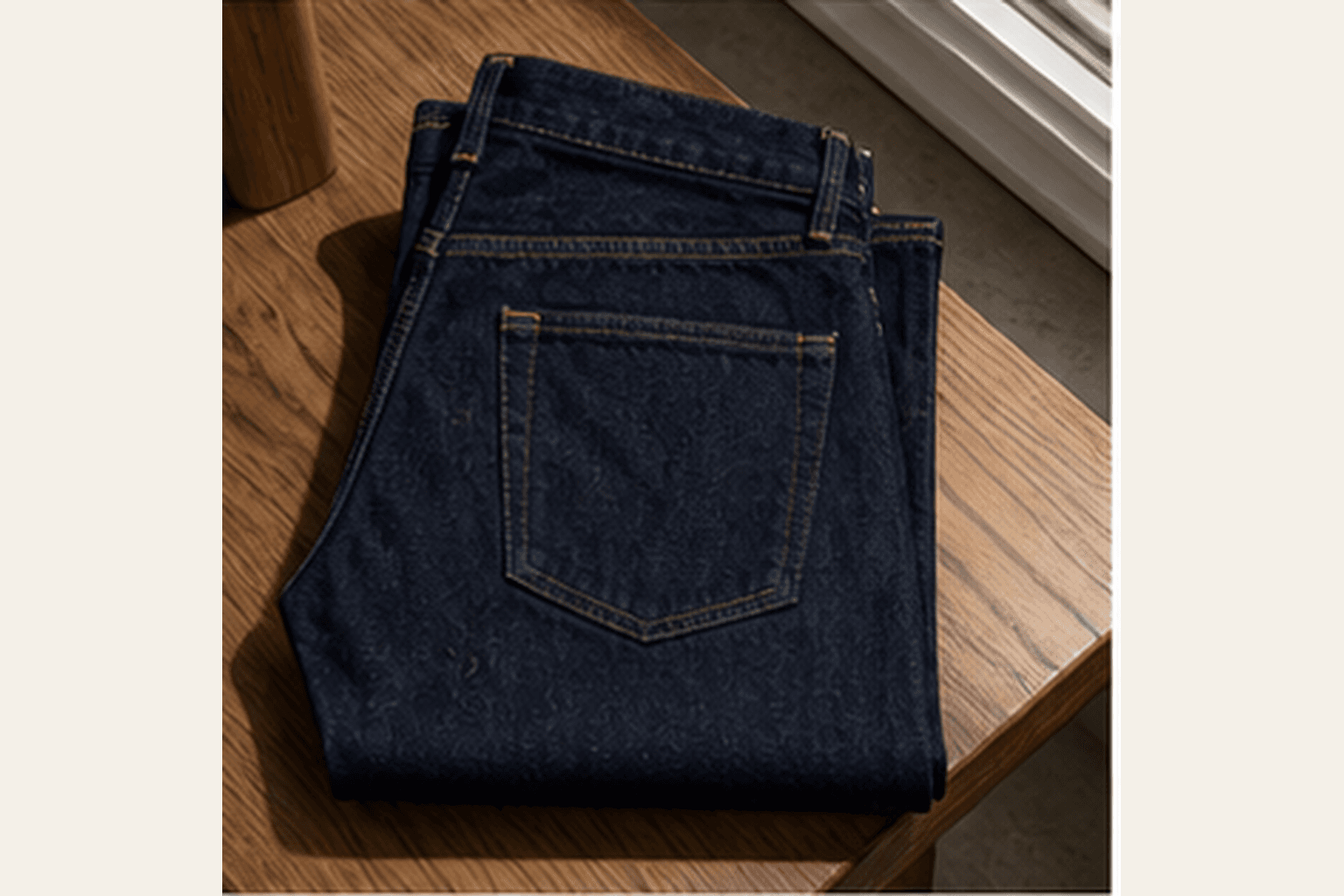
Dark jeans can be office-appropriate in many hybrid environments if they are clean, straight, and paired with sharper layers. Avoid heavy distressing, extreme fading, or overly skinny fits.
Best washes: dark indigo, black, grey-black
Loafers
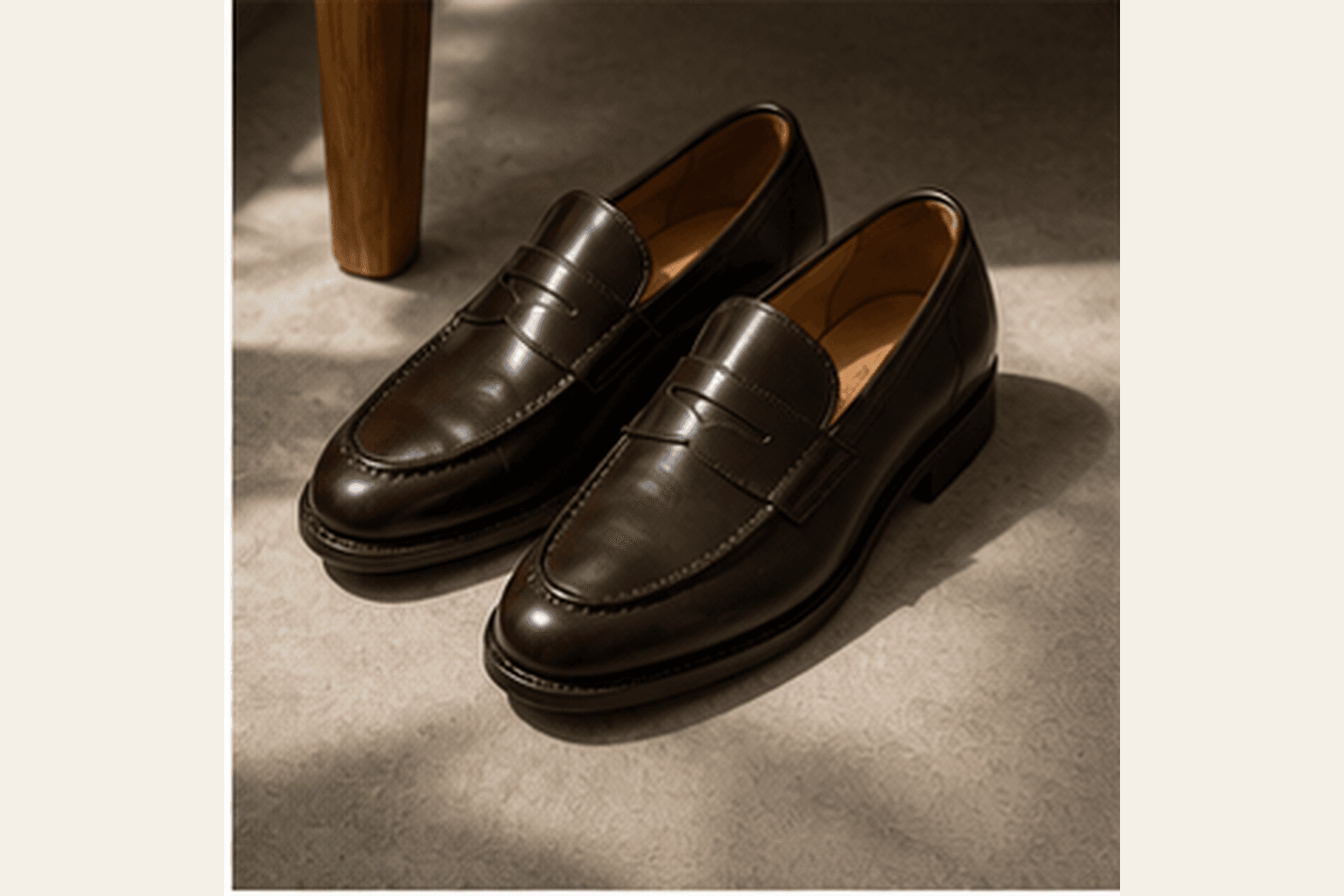
Loafers are the best bridge shoe for the office. They sharpen denim, relax trousers, and avoid the stiffness of traditional dress shoes.
Best colors: dark brown, black, burgundy
Minimal Sneakers or Retro Runners
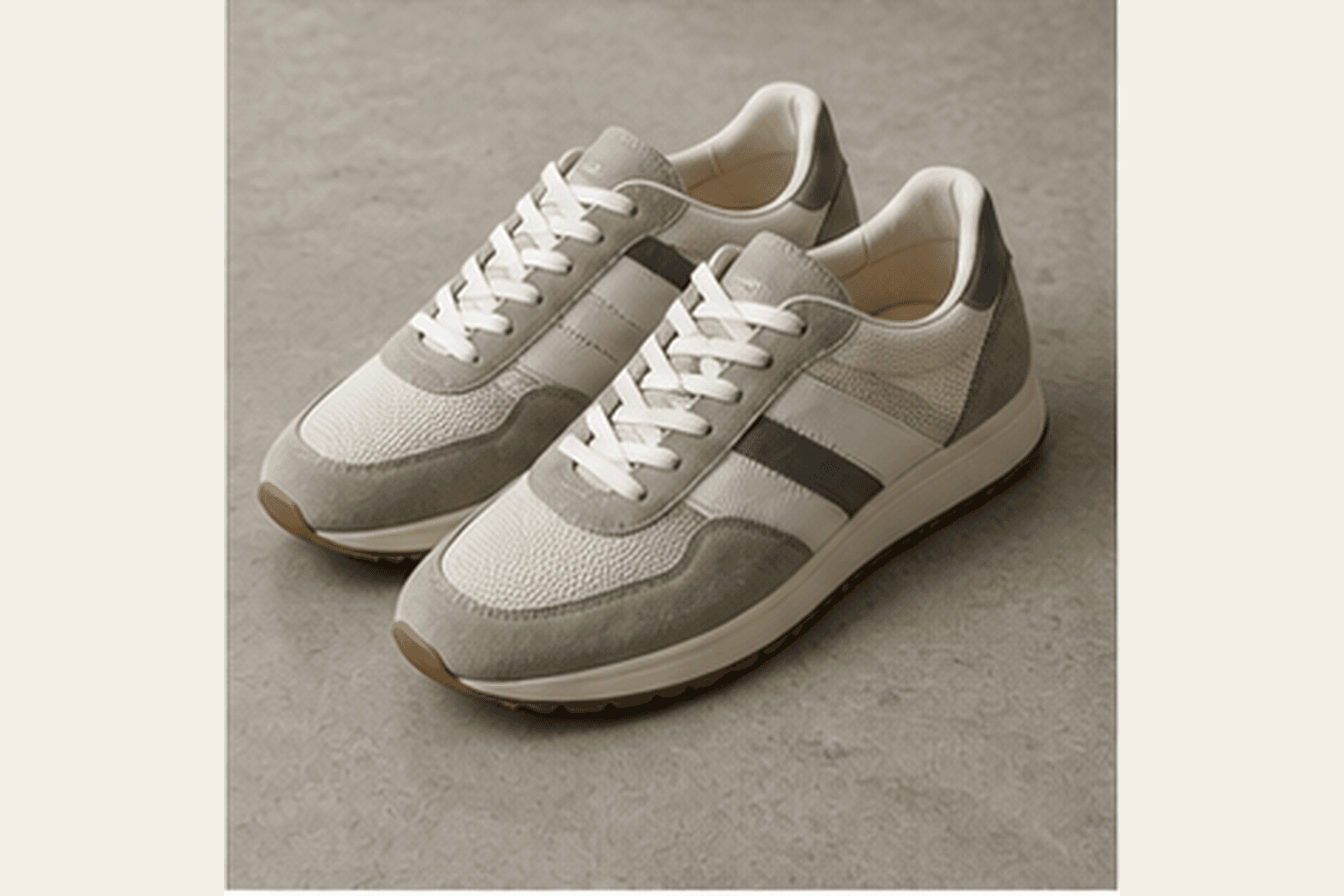
Sneakers can work in a modern office, but the rest of the outfit needs discipline. Minimal leather sneakers are cleaner. Retro runners are more casual but can work with relaxed trousers, knitwear, and an overshirt.
Comfortable Boots
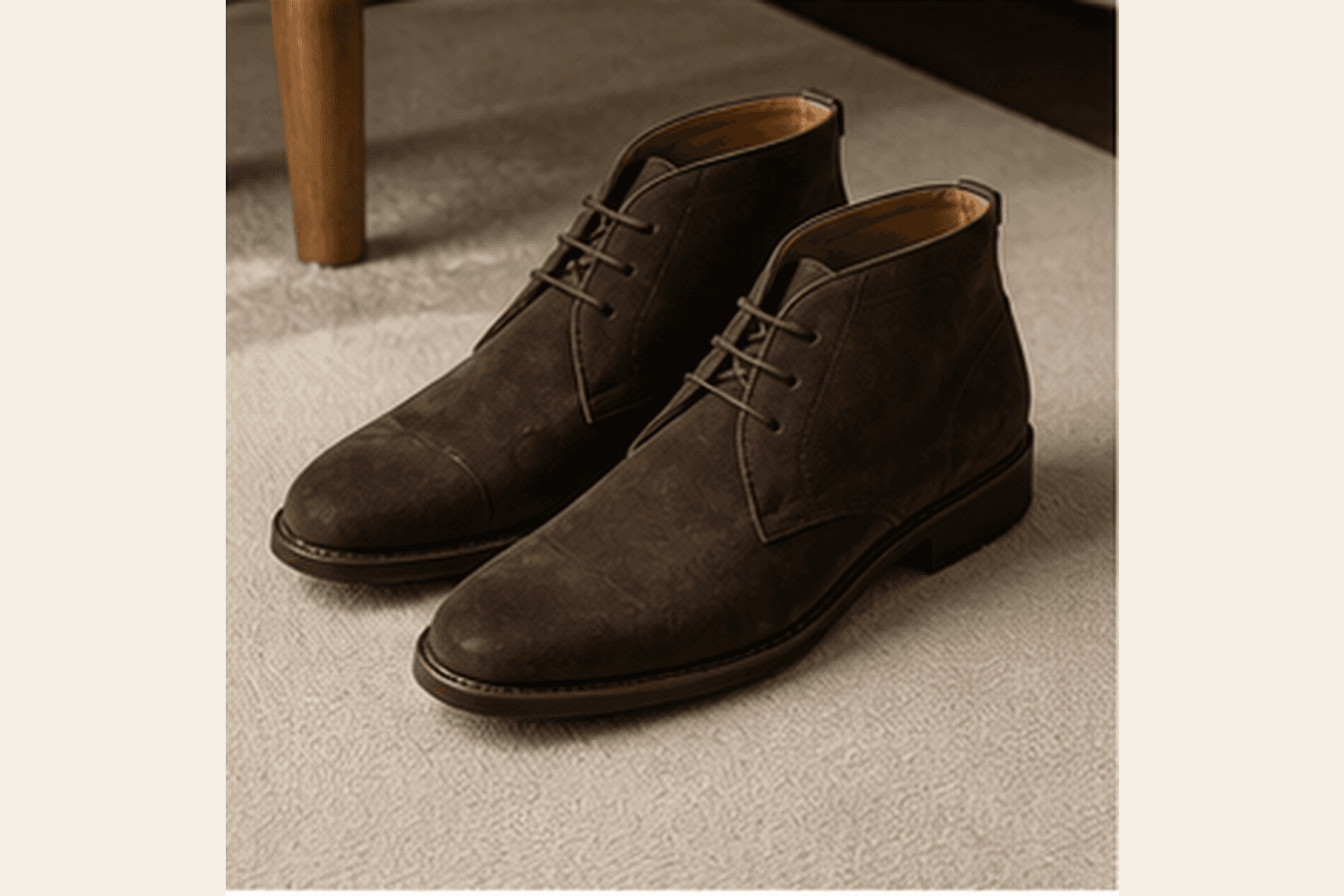
Boots are useful for commuting, bad weather, and colder offices. Chelsea boots, suede desert boots, or simple lace-up boots can all work depending on the outfit.
Structured Bag
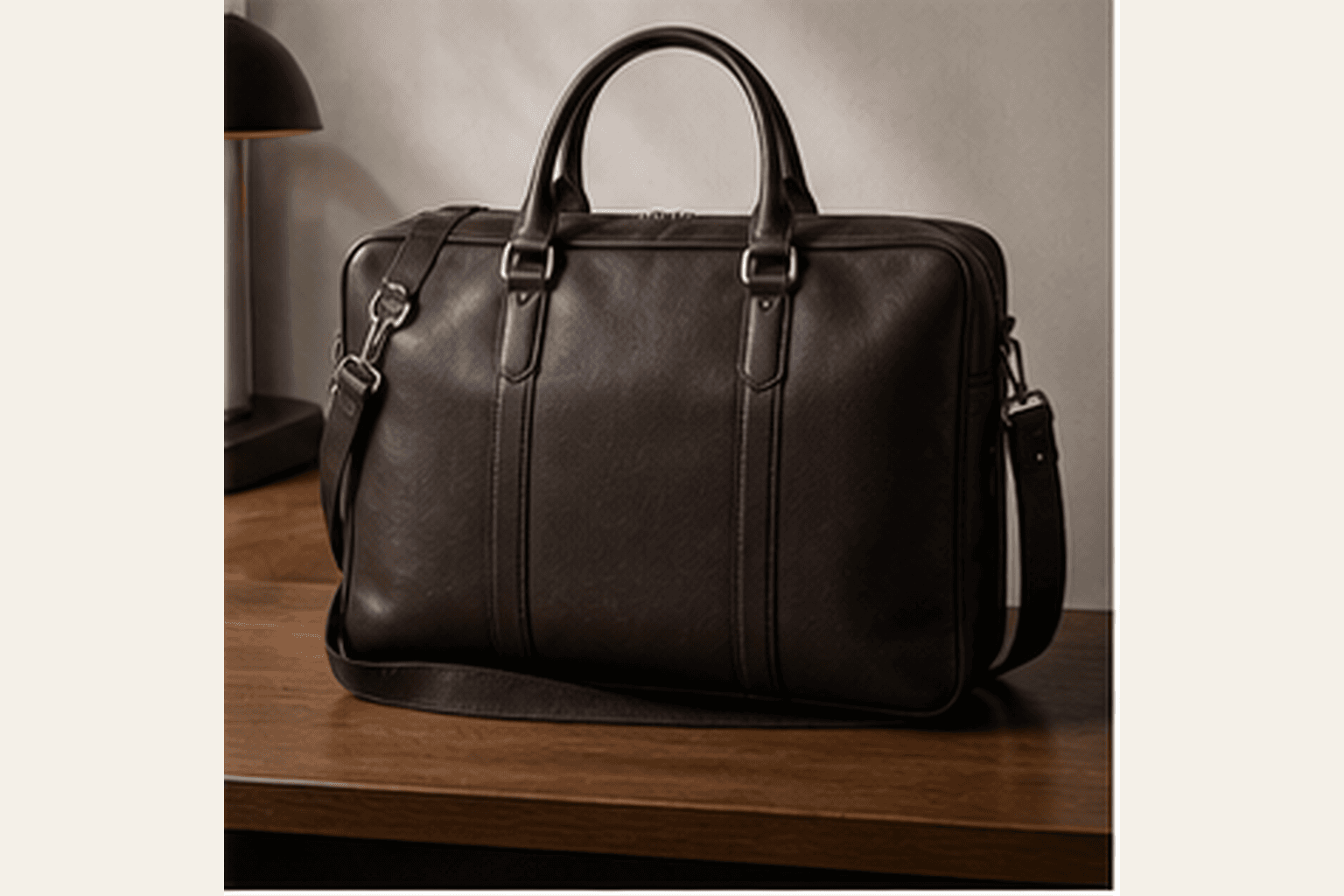
The bag matters more in office dressing than most men think. A good tote, briefcase, messenger, or technical backpack can make a casual outfit look more deliberate.
Cap, Watch, Belt, and Outer Layer
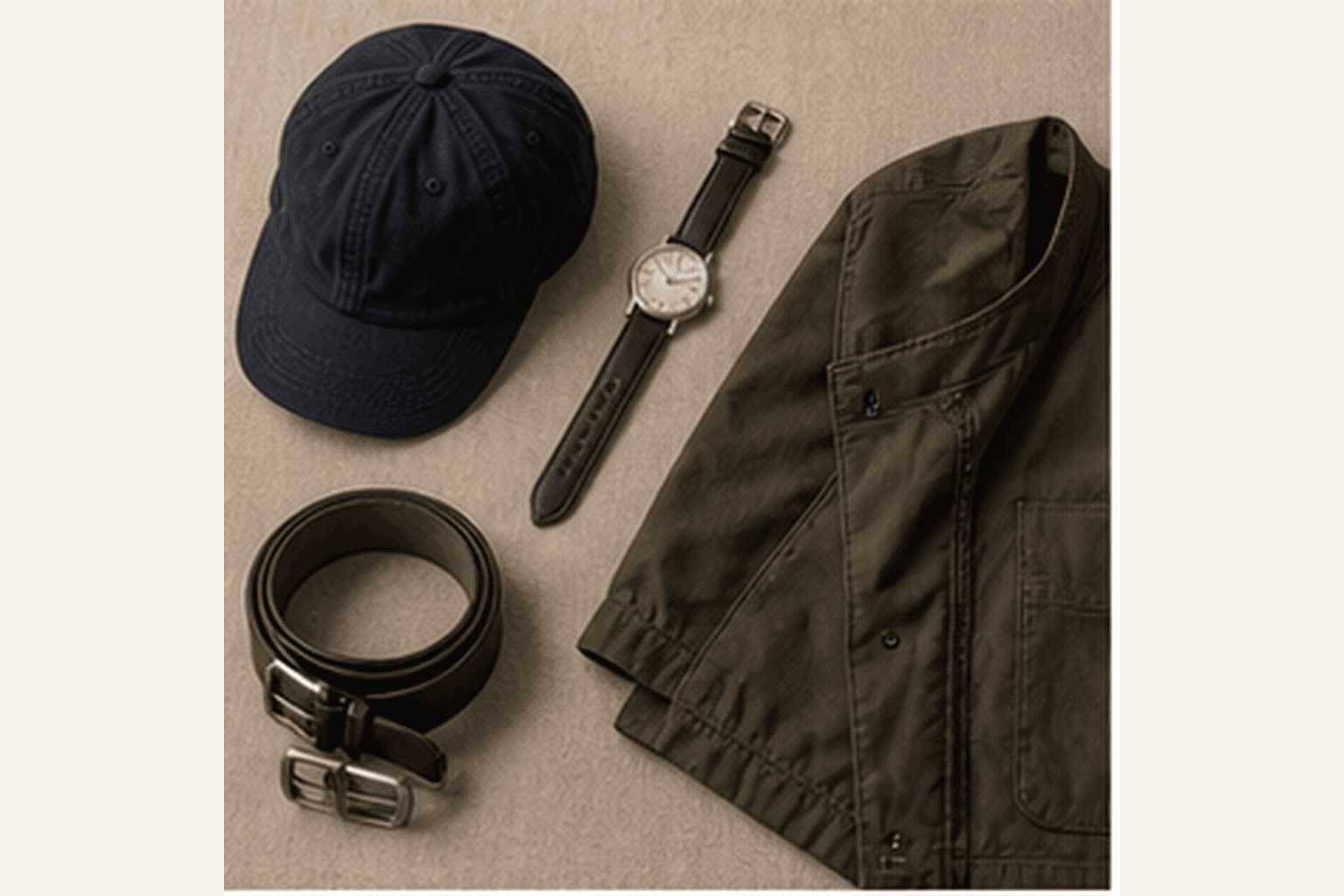
A cap can work in certain offices if the rest of the outfit is clean. A watch, leather belt, wool coat, rain shell, or scarf can help calibrate the outfit toward work rather than weekend.
Outfit Formulas
These formulas cover the actual range of modern office life: casual days, meeting days, hybrid commutes, travel, weather, and work-to-dinner transitions.
Casual Hybrid Day
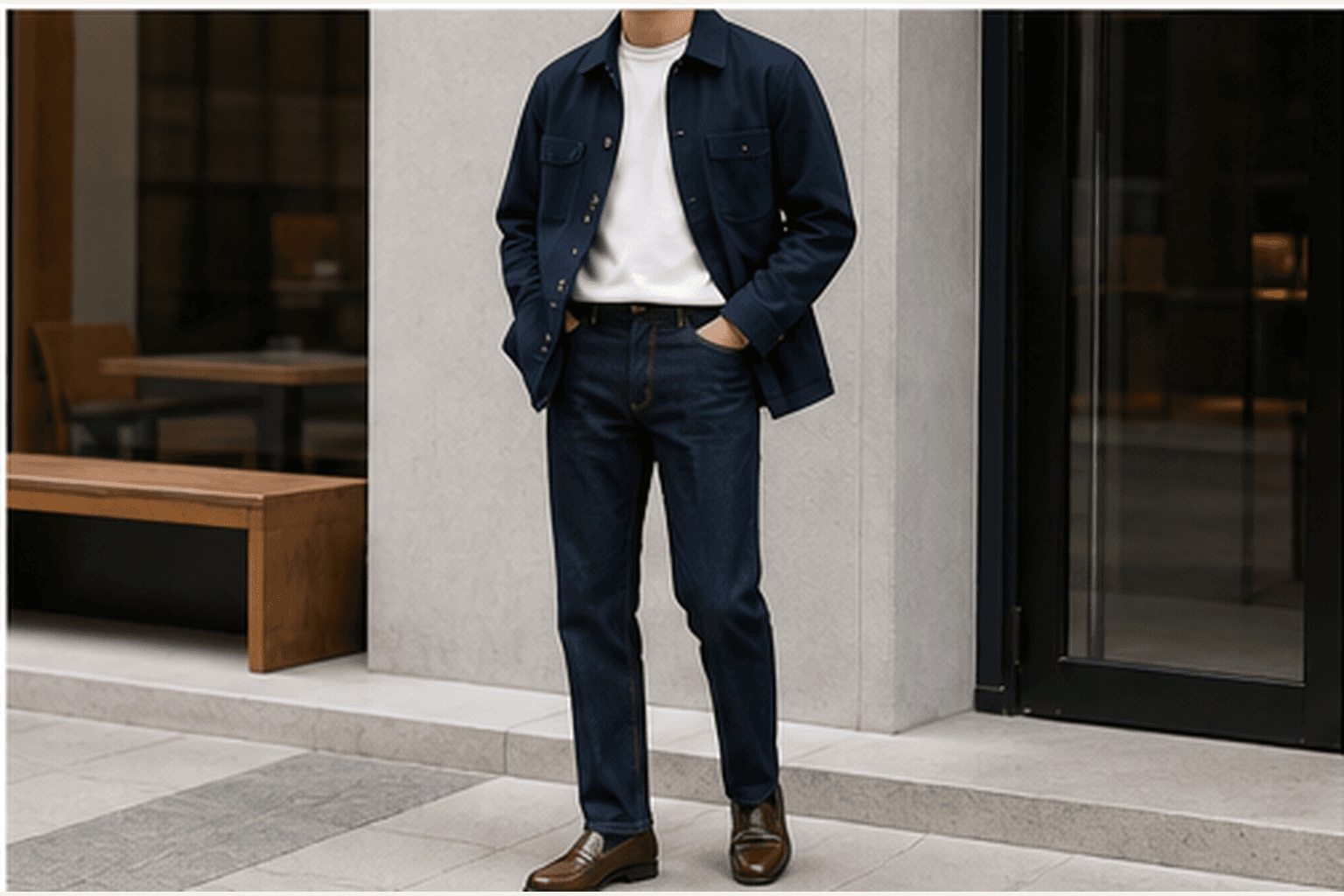
Why it works: the tee keeps it relaxed, but the chore jacket and loafers give the outfit structure. This is the easiest way to wear denim to an office without looking like you wandered in from the weekend.
Formula: heavyweight white tee + navy chore jacket + dark straight jeans + loafers
Polished Meeting Day
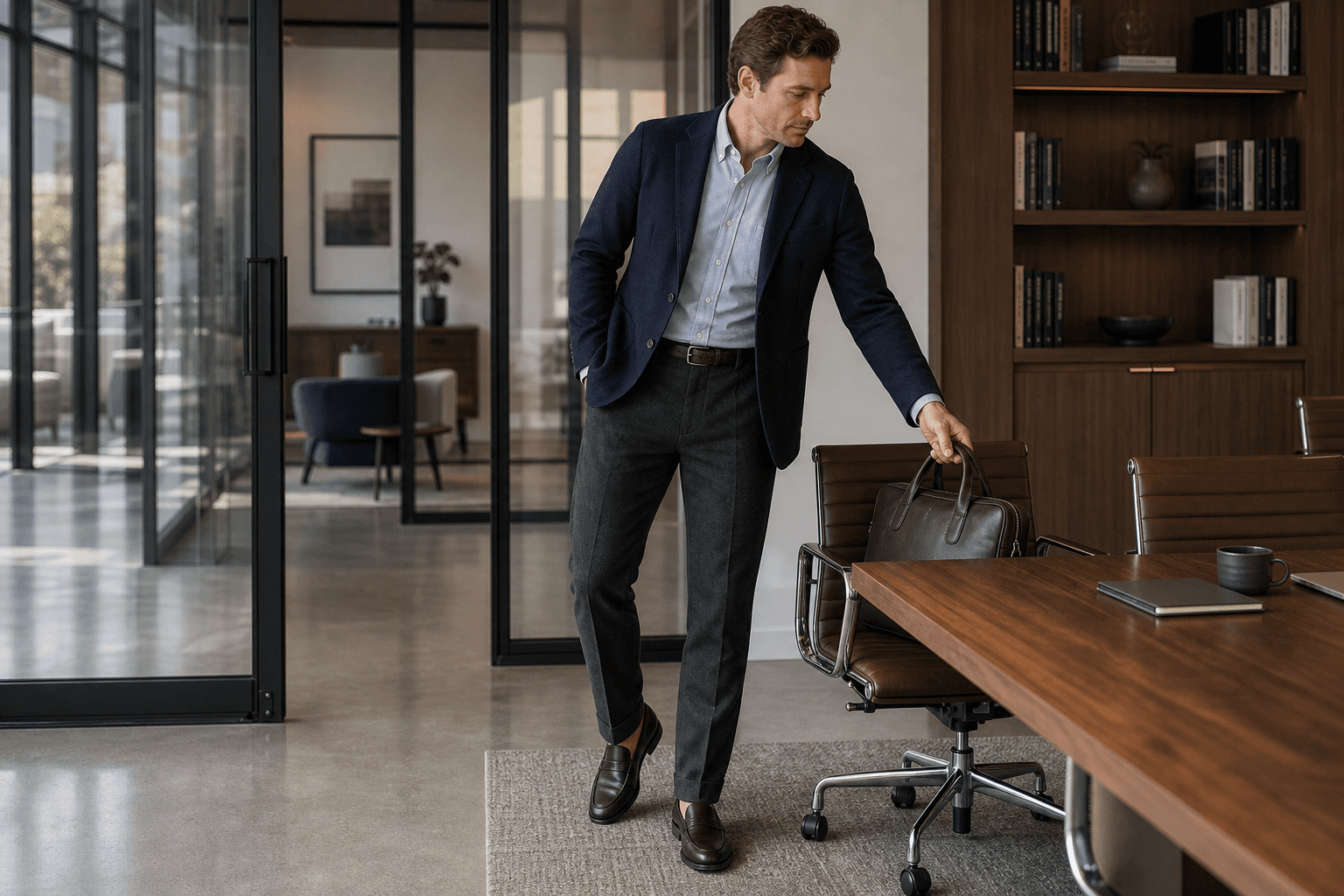
Why it works: it has the logic of tailoring without looking formal. The blazer is soft, the trousers have drape, and the loafers keep it modern.
Formula: blue oxford + charcoal wool trousers + dark brown loafers + unstructured navy blazer
Creative Office
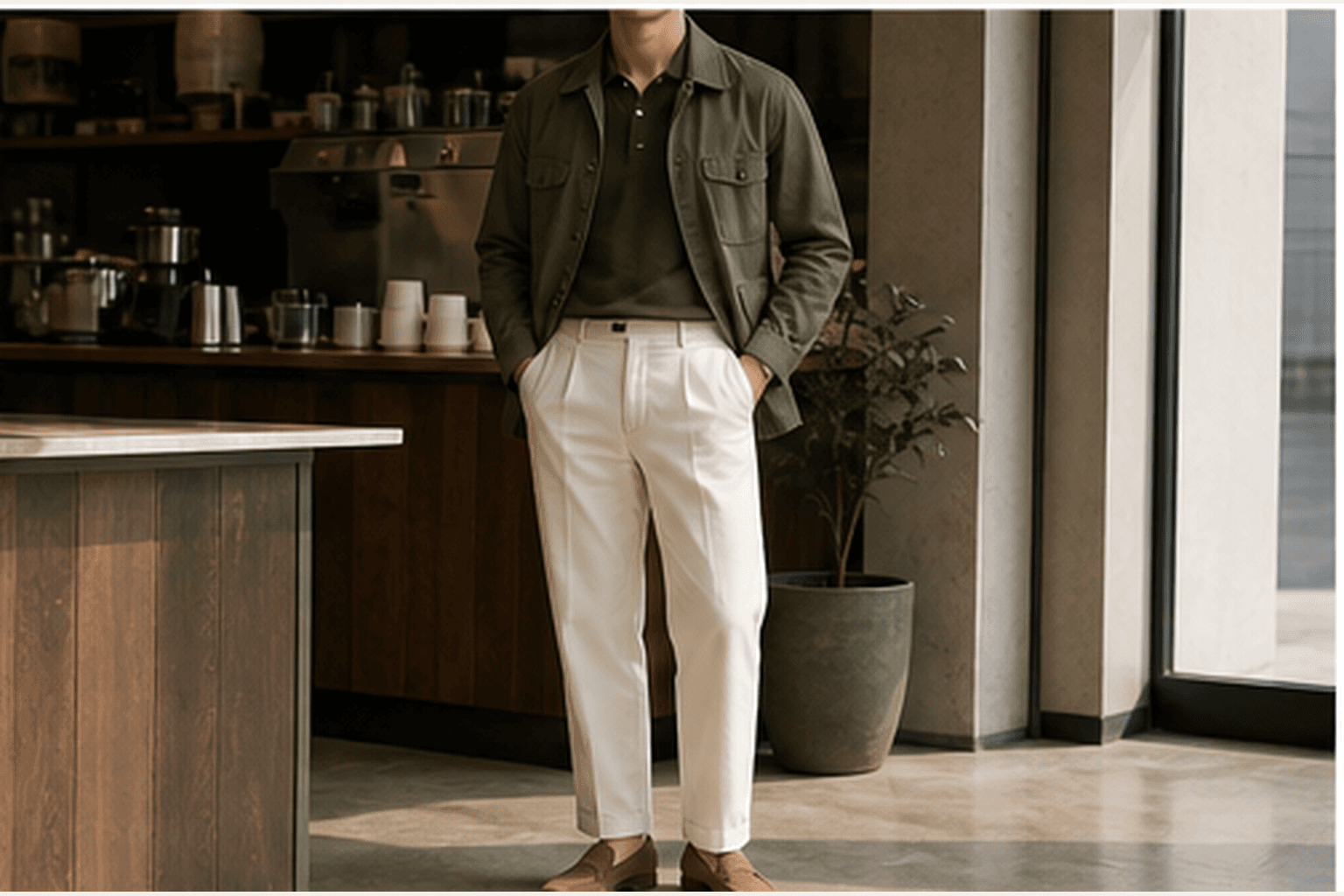
Why it works: the polo replaces the dress shirt, the cotton trousers keep the outfit grounded, and the utility jacket gives it shape. Good for offices where a blazer feels too stiff.
Formula: knit polo + relaxed cotton trousers + suede loafers + cropped utility jacket
Cold Office Layering
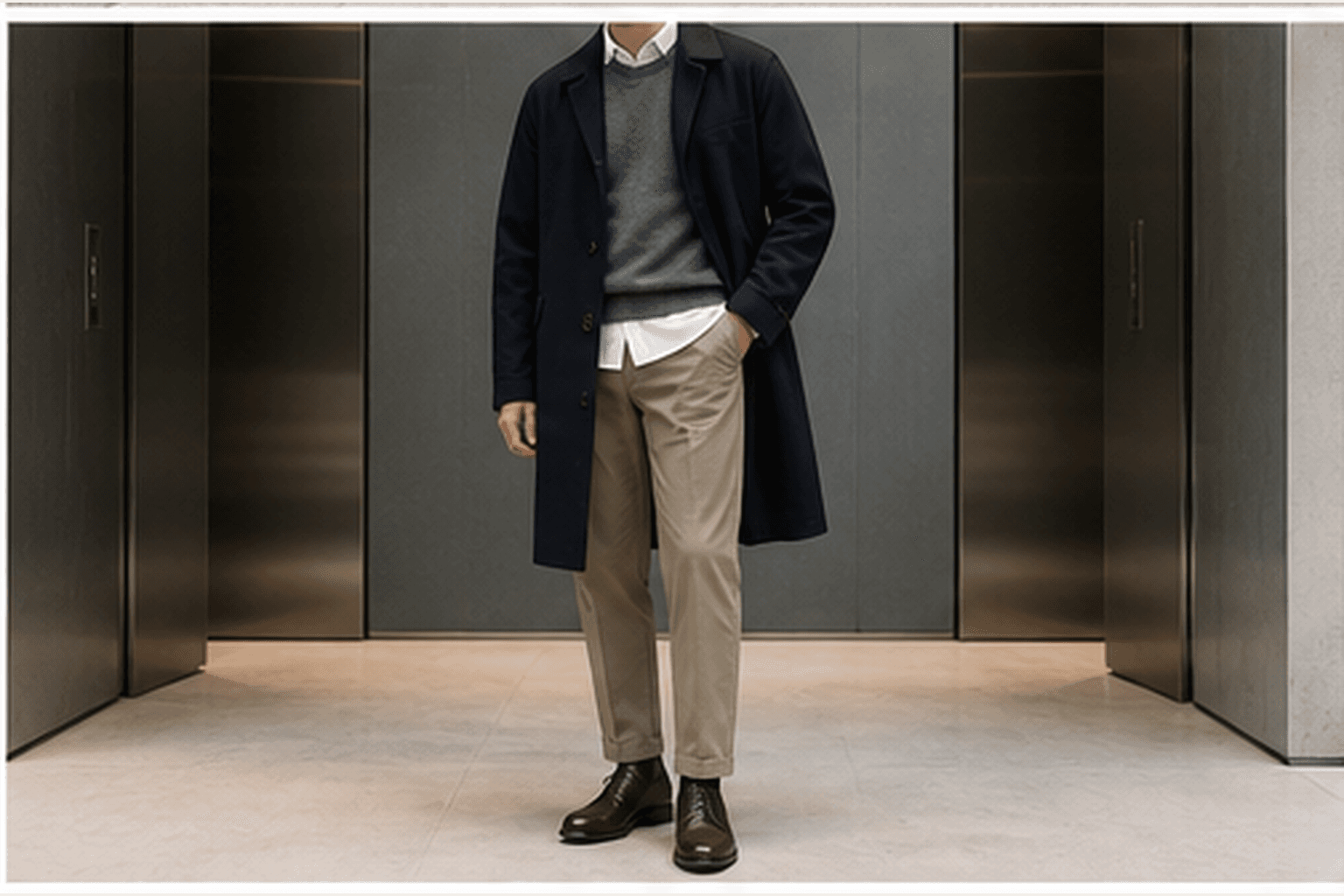
Why it works: each layer has a clear job. The oxford adds structure, the knit adds warmth, the chinos keep the look relaxed, and the boots make it weather-aware.
Formula: white oxford + merino crewneck + straight chinos + boots + wool coat
Commute-Friendly Office Outfit
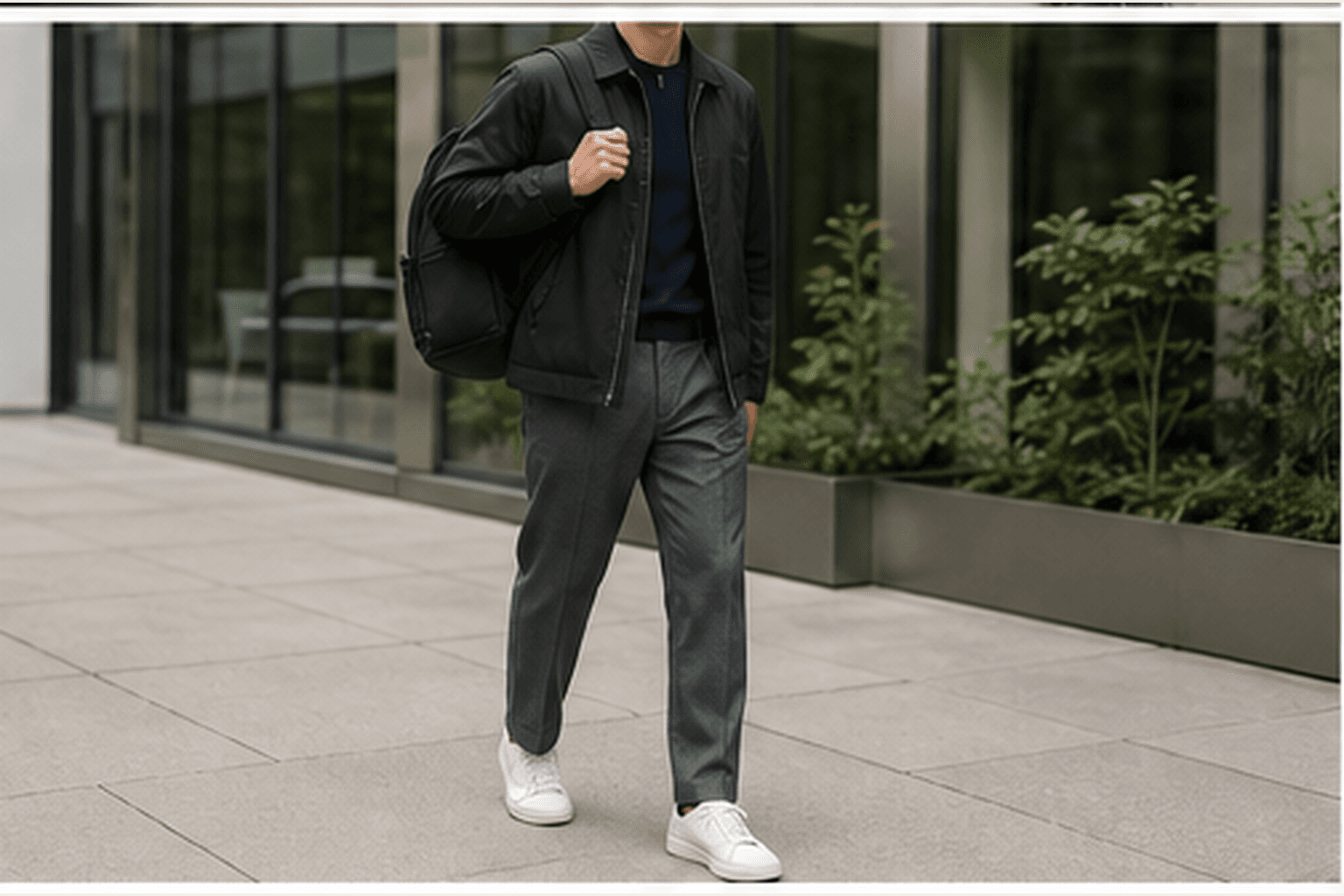
Why it works: this is practical for walking or transit, but the wool trousers and structured bag keep it from becoming athleisure.
Formula: merino tee + relaxed wool trousers + technical jacket + clean sneakers + structured backpack
Summer Office Without Overheating
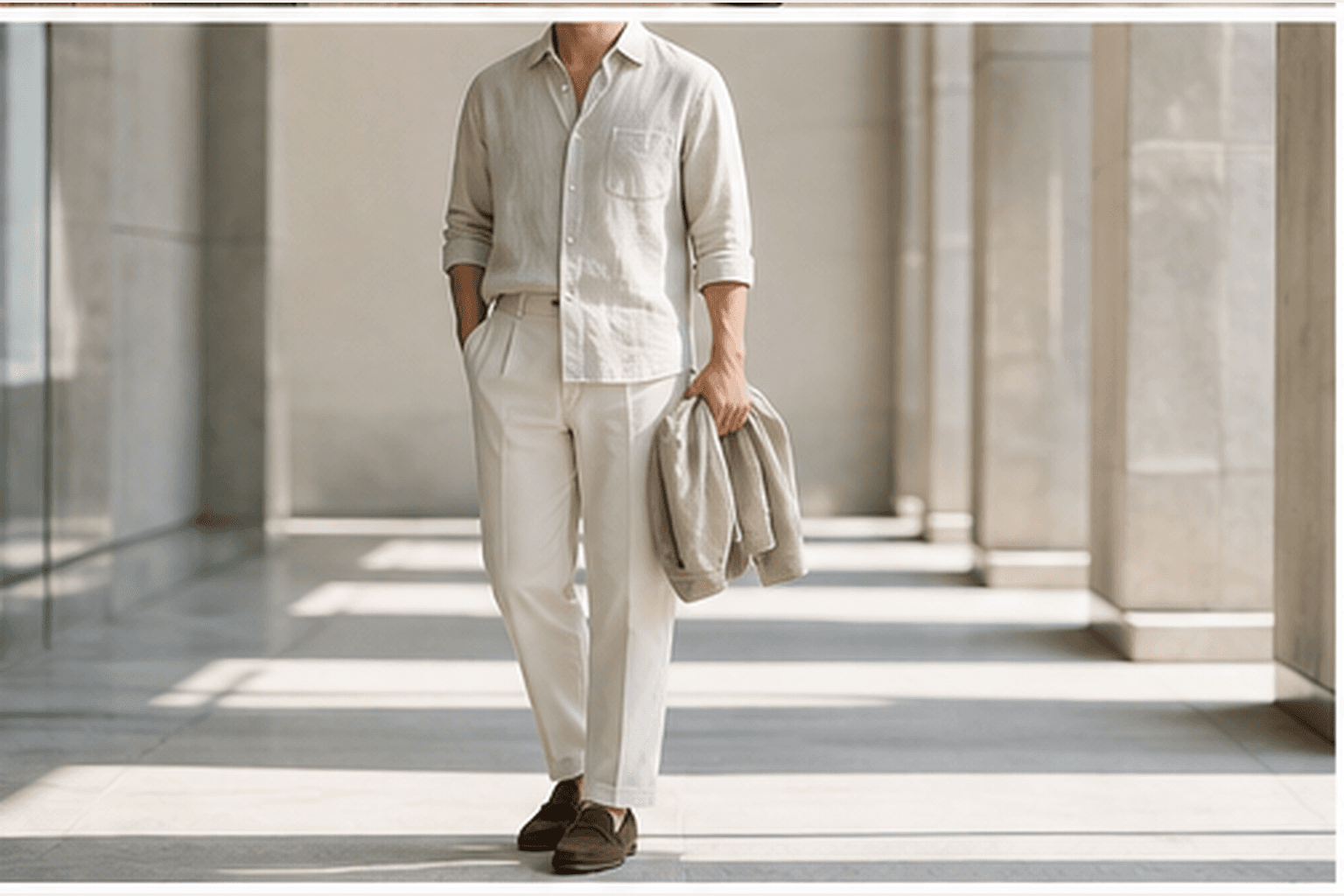
Why it works: breathable fabrics matter more than pretending heat does not exist. Linen, silk blends, and breathable tailoring help summer office outfits look intentional without overheating.
Formula: linen-blend shirt + lightweight cotton trousers + loafers or minimal sneakers + unstructured linen jacket if needed
Work-to-Dinner
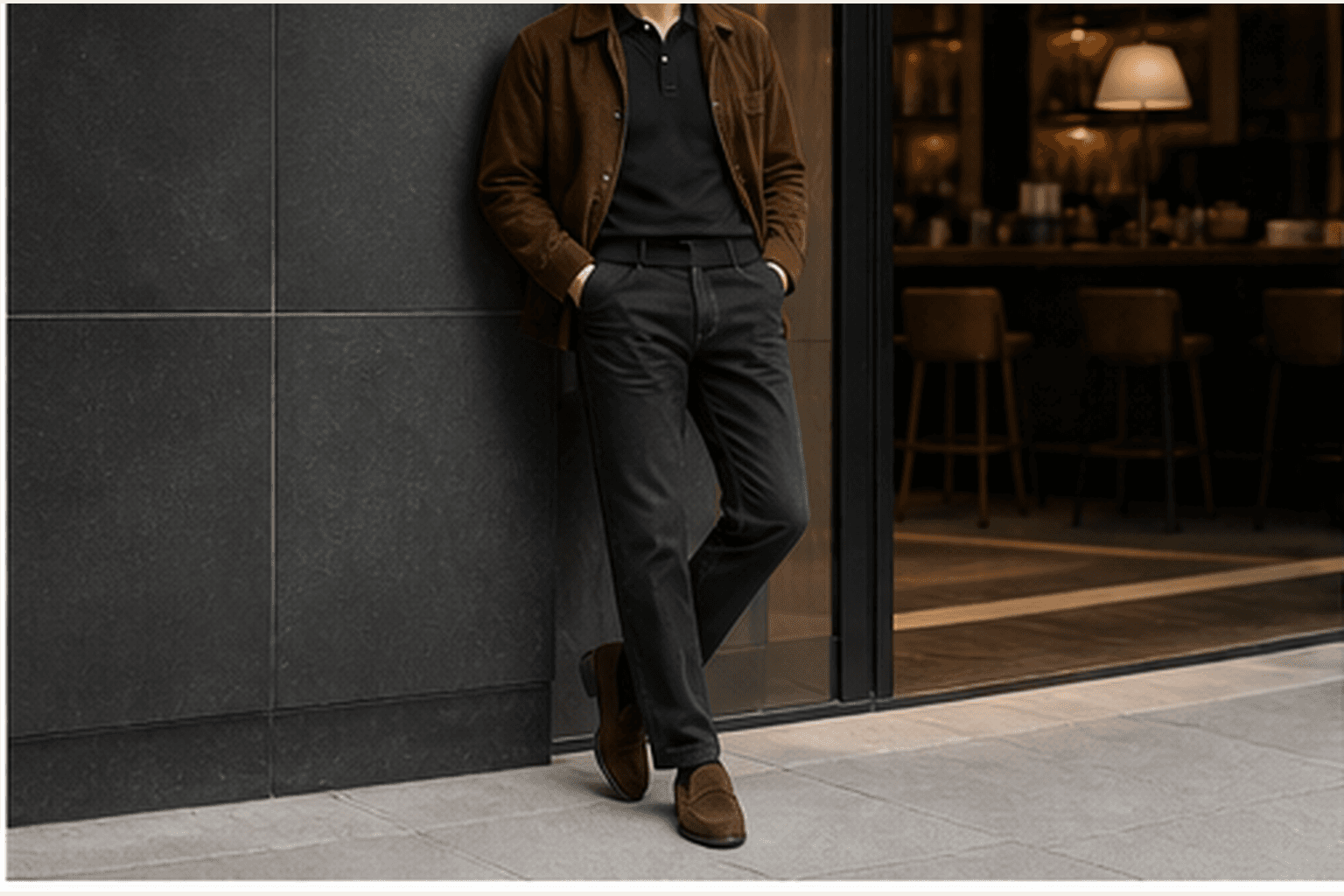
Why it works: the dark palette and suede texture make it evening-ready, while the polo and trousers still look appropriate during the day.
Formula: dark knit polo + black jeans or charcoal trousers + suede jacket + loafers
Budget Version Using Existing Basics
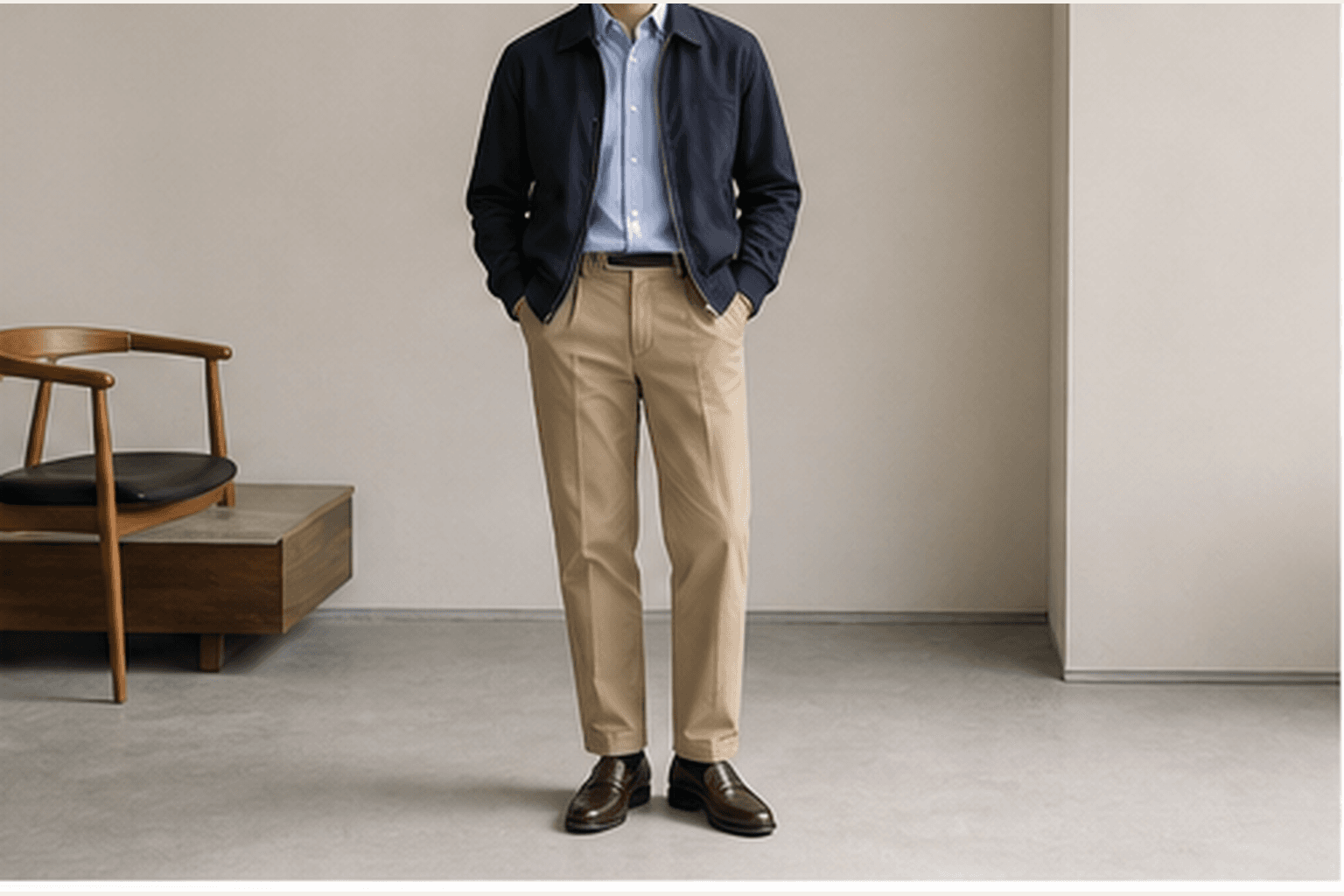
Why it works: most men already own pieces close to this. The upgrade is not necessarily buying new clothes; it is removing the bad versions: wrinkled shirt, narrow shiny chinos, collapsing sneakers, or a jacket that does not fit over layers.
Formula: clean oxford + best-fitting chinos + simple jacket + cleanest shoes
Wrong but Interesting Office Twist
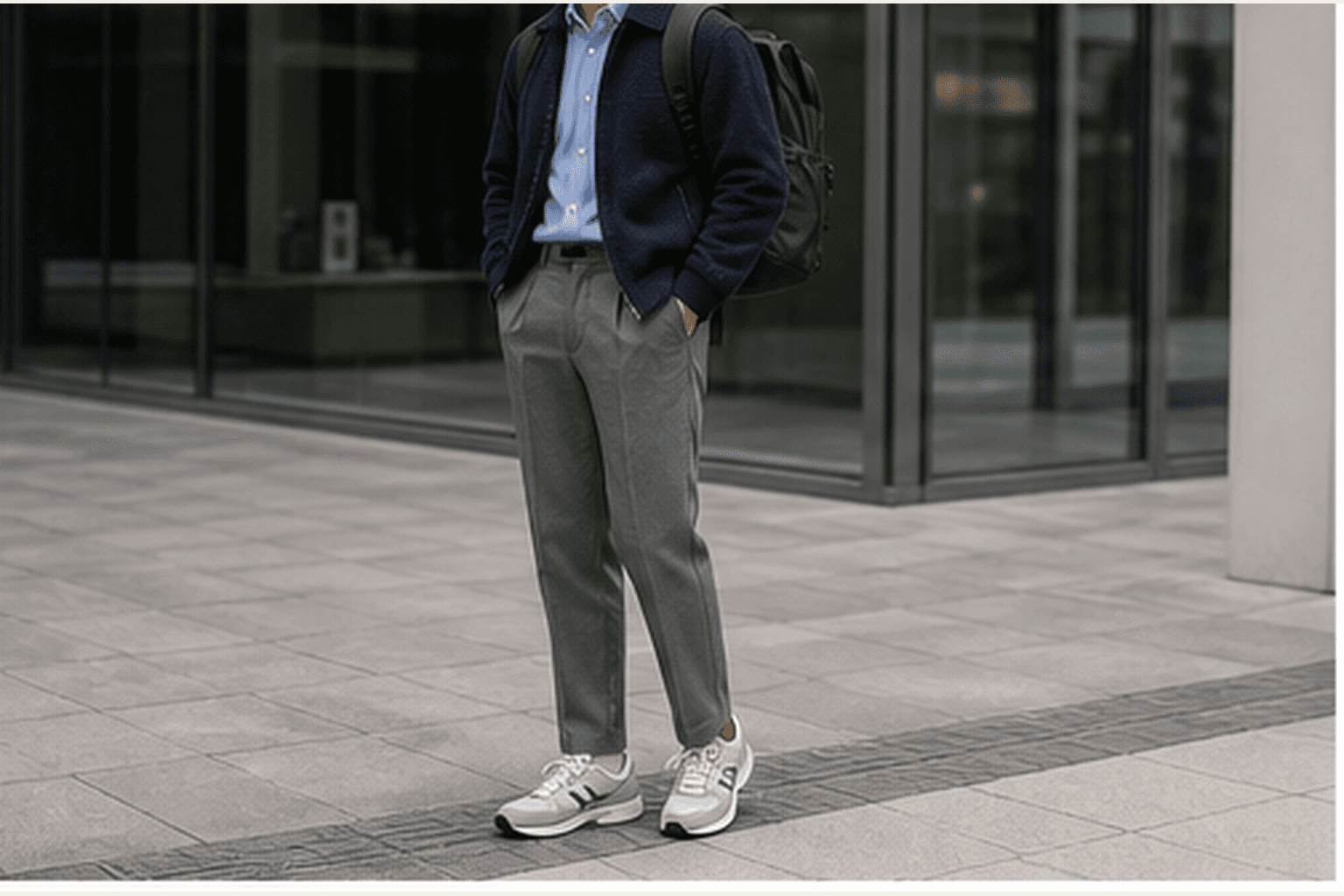
Why it works: the formal base makes the sporty pieces look intentional. The trick is keeping the colors restrained and the fit controlled.
Formula: oxford shirt + relaxed wool trousers + retro runners + technical backpack + cropped fleece or chore jacket
Color Logic: Build Around Office Neutrals, Not Corporate Neutrals
Office neutrals do not have to mean navy suit, white shirt, black shoes. The modern palette is broader and softer.
Base Colors
Use these for the majority of the wardrobe:
- Navy
- Charcoal
- Grey
- White
- Black
- Cream
- Stone
- Dark indigo
Warm Neutrals
These make office outfits feel less sterile:
- Brown
- Tobacco
- Olive
- Camel
- Oatmeal
- Chocolate
Accent Colors
Use sparingly:
- Burgundy
- Forest green
- Faded blue
- Rust
- Deep purple
The easiest office palette is two quiet colors plus one texture. Navy chore jacket, white oxford, grey trousers, and brown loafers is simple, but it is not flat because the oxford, wool, cotton, and leather all register differently.
Texture Logic: The Difference Between Office and Corporate
Texture is what makes the new office wardrobe work. Smooth, shiny, tight clothing often reads dated. Matte, textured, soft clothing reads more current.
Use:
- Oxford cloth instead of shiny dress shirting.
- Wool trousers instead of thin stretch chinos.
- Suede loafers instead of glossy dress shoes.
- Cotton twill overshirts instead of zip-up tech hoodies.
- Merino knits instead of bulky sweatshirts.
- Hopsack or linen blazers instead of suit jackets.
- Leather or canvas bags instead of limp backpacks.
The goal is not to look formal. The goal is to look finished.
Fit and Proportion Rules
Tops
- T-shirts should be clean and substantial, not thin or clingy.
- Oxfords should have room through the chest and shoulders.
- Knit polos should skim the body without pulling at the placket.
- Sweaters should end around the hip, not halfway down the thigh.
- Overshirts should have room to layer but should not balloon.
Pants
- Straight and relaxed fits usually look more current than skinny fits.
- Chinos should not taper aggressively at the ankle.
- Wool trousers should have drape, not cling.
- Jeans should be dark, clean, and straight if worn to work.
- Hem length should match the shoe: slight crop for loafers, fuller break for boots.
Outerwear
- A chore jacket should hit around the hip.
- A blazer should not look like an orphaned suit jacket.
- A wool coat should cover the outfit cleanly and fit over layers.
- A rain shell can work if the rest of the outfit is structured.
Footwear
- Loafers make casual pants more office-ready.
- Sneakers require better pants and a sharper top layer.
- Boots work best when the outfit has some texture or weight.
- Dress shoes can look too formal if the rest of the outfit is relaxed.
Common Mistakes
Mistake 1: Wearing a Suit Jacket Like a Blazer
A suit jacket often looks wrong with jeans or chinos because the fabric, shoulder, and finish are too formal. Use an unstructured blazer, chore jacket, or overshirt instead.
Mistake 2: Treating Sneakers as Automatically Acceptable
Sneakers can work, but only if they are clean and supported by the rest of the outfit. If the pants and top are also casual, the outfit becomes weekend wear.
Mistake 3: Keeping the Old Slim-Chino Uniform
Slim chinos, tight button-down, dress sneakers, and a belt is technically acceptable in many offices, but it often looks dated. Use a straighter pant, better fabric, and more considered layers.
Mistake 4: Overcorrecting Into Outdoor Gear
Technical pieces are useful for commuting, but head-to-toe performance clothing can look like you are dressed for a hike. Balance technical outerwear with wool trousers, leather shoes, or a structured bag.
Mistake 5: Ignoring the Bag
A bad backpack can drag down an otherwise good office outfit. The bag is part of the silhouette. Choose structure, clean material, and restrained branding.
Mistake 6: Dressing for an Imaginary Office
Some offices reward polish. Some reward creativity. Some barely notice. Build for your real environment, not for an abstract dress code.
How to Enter the Look Using Your Existing Wardrobe
Step 1: Identify Your Office Reality
Ask what you actually need: client meetings, internal team days, hybrid casual, commute-heavy, creative office, finance-adjacent polish, or startup casual.
Step 2: Pull Your Bridge Pieces
Bridge pieces are clothes that make casual and polished items work together:
- Loafers
- Dark jeans
- Wool trousers
- Oxford shirts
- Knit polos
- Overshirts
- Chore jackets
- Merino sweaters
Step 3: Build Three Work Fits
Create one casual office outfit, one meeting outfit, and one work-to-dinner outfit. If one of those is missing, buy the missing connector, not random “office clothes.”
Step 4: Remove the Weak Links
Common weak links:
- Shiny dress shirts
- Overly slim chinos
- Worn sneakers
- Tech backpacks with too many zippers
- Hoodies that have lost shape
- Jeans that are too distressed
- Blazers that look like suit separates
Step 5: Upgrade One Category at a Time
The highest-impact upgrades are usually pants, shoes, and outer layers. A better trouser or loafer can make shirts you already own feel new.
FAQ
What should men wear to a hybrid office?
Start with a clean base: oxford shirts, knit polos, merino sweaters, straight chinos, relaxed wool trousers, dark jeans, loafers, clean sneakers, and structured outerwear. The goal is polished casual, not traditional corporate dress.
Can men wear jeans to the office?
Yes, in many hybrid or casual offices. Choose dark, clean, straight jeans and pair them with sharper pieces like loafers, knitwear, an oxford, chore jacket, or unstructured blazer.
Are sneakers acceptable in the office?
Sneakers can work if they are clean and the rest of the outfit is structured. Pair them with wool trousers, a knit polo, an overshirt, or a blazer. Avoid making the entire outfit sporty.
What is the best office shoe for men?
Loafers are the most versatile office shoe for modern workwear. They sharpen jeans, relax trousers, and sit between sneakers and traditional dress shoes.
How do I look professional without dressing corporate?
Use structure, texture, and fit. Choose wool trousers instead of skinny chinos, knit polos instead of shiny dress shirts, chore jackets or overshirts instead of stiff blazers, and loafers or clean sneakers instead of overly formal shoes.